

As Lebanon marks the anniversary of Hezbollah leader Hassan Nasrallah’s assassination, new footage of the strike has reignited debate and heightened fears of escalation, with senior figures warning the country faces a critical moment.
A source described by Lebanese media as a senior official called the situation “critical” and warned, “We have reached the abyss, and only a miracle can save us.” The remarks came as Hezbollah prepares ceremonies to honor Nasrallah and his short-term successor, Hashem Safieddine, while Israeli forces continue to hold five outposts in southern Lebanon.
New footage from Hassan Nasrallah assassination


The country has been roiled in recent days by disputes over government bans on projecting Nasrallah’s image on Beirut’s iconic Raouche rock, as well as claims that the government refused to accept two flights from Iran ahead of the commemorations.
Meanwhile, Lebanon’s fragile plan to disarm Hezbollah, approved in early September but lacking a timeline, remains stalled. In an interview with the Lebanese daily Al-Joumhouria, the senior official warned that political solutions appear blocked. “Everyone avoided providing real help, and Lebanon has been left alone,” the official said.
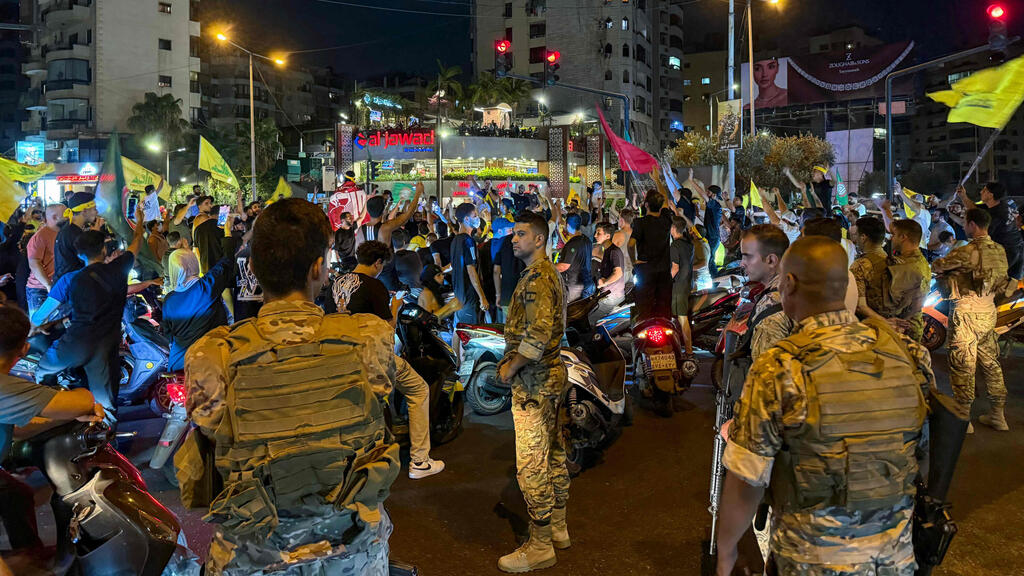
The comments followed a controversial interview by U.S. envoy to Lebanon Thomas Barrack, who said that Hezbollah has “zero incentive” to disarm, particularly as Israeli strikes across the region bolster the group’s claim that it is defending Lebanon. Lebanese critics said Barrack’s words erased earlier talk of a political solution.
Security agencies—both official and unofficial—are on alert ahead of memorial ceremonies, with a central rally planned for Saturday in which Hezbollah’s current secretary-general, Naim Qassem, is set to deliver a speech.
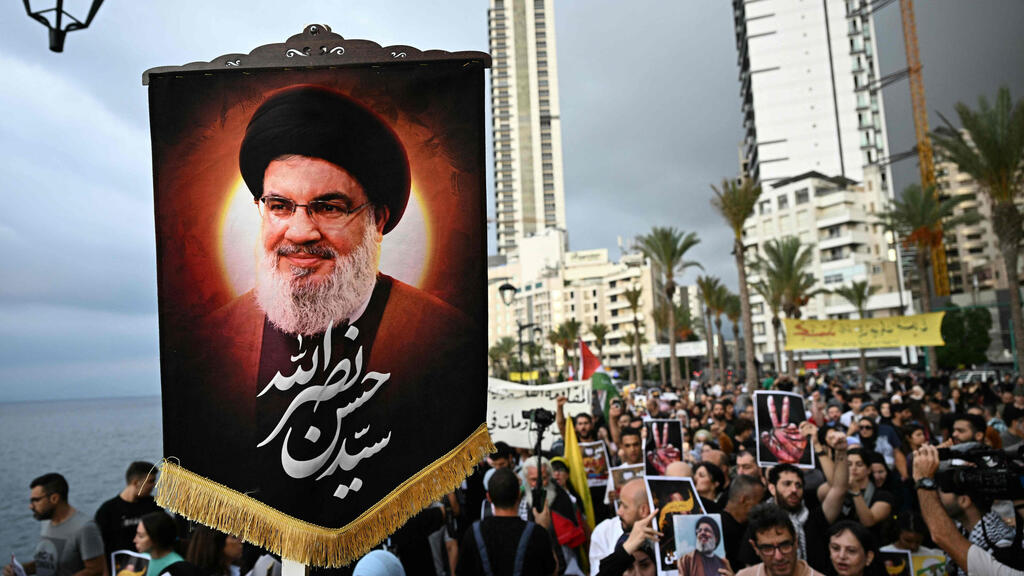
(Photo: Joseph Eid/ AFP)
Hezbollah-affiliated journalist Fatima Fatouni claimed in an X post that Lebanon ordered two flights from Iran to turn back under pressure from Washington and Jerusalem, accusing the government of “betraying its people.”
Meanwhile, Hezbollah’s plan to project images of Nasrallah and Safieddine onto Raouche rock has raised public uproar. Prime Minister Nawaf Salam issued new restrictions on the use of public property and archaeological or tourist sites without permits, a move seen as aimed at preventing the display.
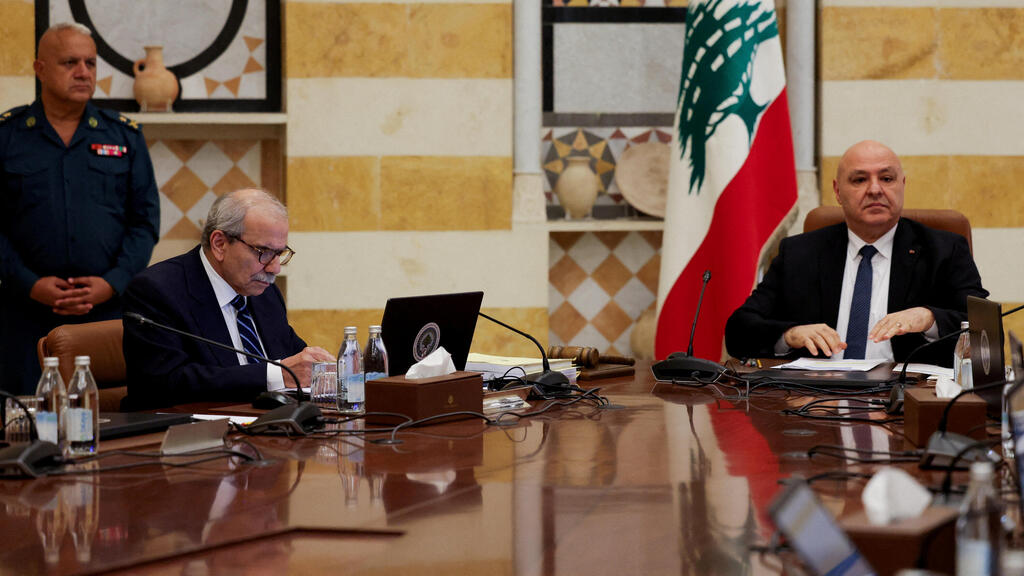
Prime Minister Nawaf Salam and President Joseph Aoun
(Photo: Reuters/Emilie Madi)
Opponents of the projection argue that Raouche Rock is a national symbol, while Hezbollah supporters counter that if the names of Rafik Hariri and Camille Chamoun can adorn Beirut landmarks, then Nasrallah should be honored as well.
Lebanese daily An-Nahar reported that Hezbollah was authorized to gather at the site without projecting images, though no official confirmation has been issued by the group. A source close to Hezbollah told the paper that “confusion has been fueled by social media,” and insisted that Raouche would see “an extraordinary presence of those who loved and admired Hassan Nasrallah.”