

Qatar was attacked twice and reacted angrily, and despite reports that Israel received US approval to strike petrochemical facilities in southern Iran linked to the massive South Pars gas field, U.S. President Donald Trump distanced himself from that authorization and signaled a red line for Israel.
In a post published overnight on his social media platform Truth Social, Trump said he had not been aware of the strike. “Israel, out of anger for what has taken place in the Middle East, has violently lashed out at a major facility known as South Pars Gas Field in Iran. A relatively small section of the whole has been hit,” he wrote. “The United States knew nothing about this particular attack, and the country of Qatar was in no way, shape, or form, involved with it, nor did it have any idea that it was going to happen. Unfortunately, Iran did not know this, or any of the pertinent facts pertaining to the South Pars attack, and unjustifiably and unfairly attacked a portion of Qatar’s LNG Gas facility.”
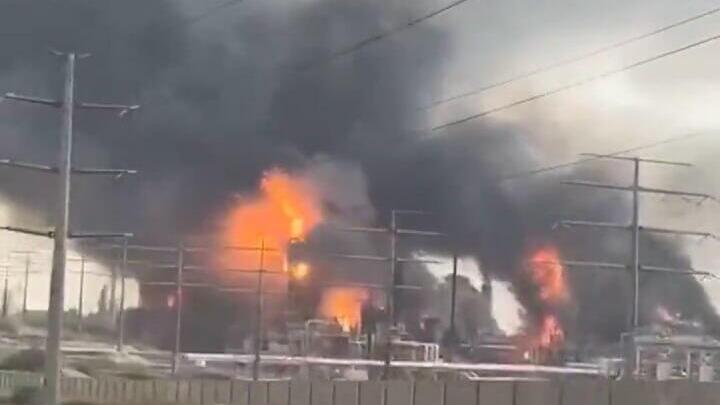
The strike in Asaluyeh, Iran, yesterday


Trump added that “NO MORE ATTACKS WILL BE MADE BY ISRAEL pertaining to this extremely important and valuable South Pars Field unless Iran unwisely decides to attack a very innocent, in this case, Qatar - In which instance the United States of America, with or without the help or consent of Israel, will massively blow up the entirety of the South Pars Gas Field at an amount of strength and power that Iran has never seen or witnessed before.” He said he did not want to authorize such destruction due to its long-term consequences for Iran, but warned that if Qatar’s liquefied natural gas facilities are attacked again, he would not hesitate.
The post came after Qatar was attacked twice following the strike on South Pars infrastructure. According to Axios, after the first missile fire at gas facilities in Qatar, Qatari officials contacted US envoy Steve Witkoff, US Central Command and other senior American officials to determine whether Washington had prior knowledge of the strike.
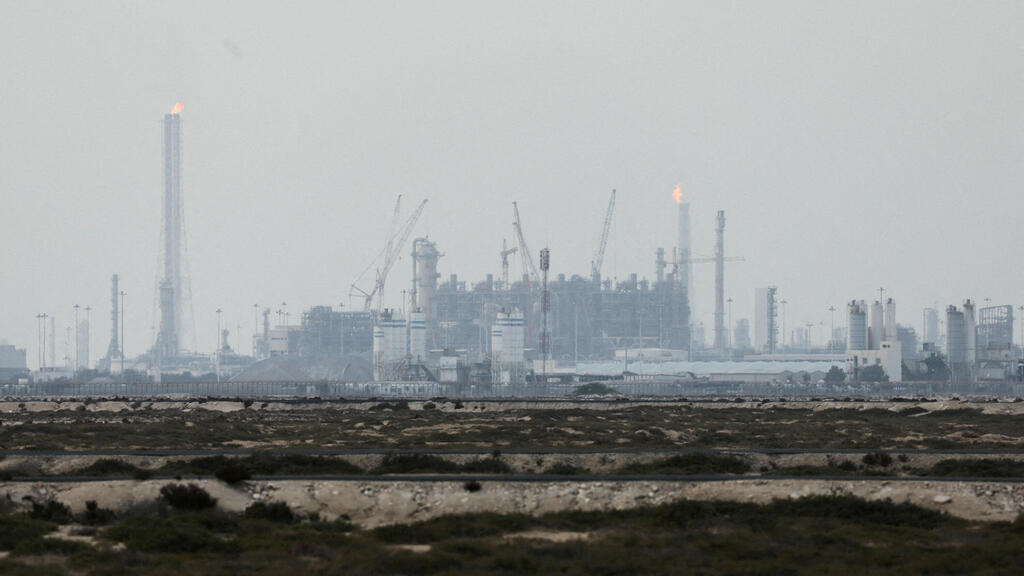
Gas facility in the Ras Laffan 'gas city'
(Photo: REUTERS/Stringer)
Despite reports from both Israeli and US sources that Washington had been informed in advance, Trump denied it. Dan Shapiro, a former US ambassador to Israel, wrote on X that there is “zero chance” the Israeli Air Force carried out a strike in southern Iran — an area where the United States has operated extensively during the war — without prior coordination with US Central Command. “Trump can post whatever he likes. But there is zero, I mean zero, chance the IDF would conduct a strike in that location without giving CENTCOM full visibility. Trump knew (and approved),” Shapiro wrote, adding that the president now appears to recognize the strike contributed to a significant escalation, including Iran’s “entirely unjustified” attacks on energy targets in the Gulf.
Israeli officials maintain that Trump was informed in advance of the strike and stress that the operation was coordinated at the highest levels between Israel and the United States. While Israel has not responded directly to Trump’s remarks, officials note that his own warning — that the United States would strike Iran’s gas fields if Tehran attacks Qatar — suggests he initially intended to use the Israeli strike as a deterrent message regarding the Strait of Hormuz, before distancing himself from it.
The disavowal is also seen as an attempt to calm anger in Qatar and may reflect domestic considerations. Israeli officials say the move was meant as a warning signal to Iran, and once that message was delivered, Trump effectively called for restraint. If the Strait of Hormuz is not reopened and Iran continues targeting energy infrastructure, additional strategic sites in Iran could be attacked, they say, as part of an effort to restore deterrence. Despite Trump’s public comments, Israeli officials say they are not concerned, emphasizing close coordination between Jerusalem and Washington. Israel’s ambassador to the United States, Yechiel Leiter, said this week there are no gaps between the two countries.
The facility targeted by Israel is a gas processing plant in the port city of Asaluyeh in Iran’s Bushehr province — the largest of its kind in the Islamic Republic. It processes more than 40% of Iran’s gas production. While only part of the plant was struck, the attack directly affected about 20% of Iran’s gas processing capacity. The South Pars field in the Persian Gulf, whose pipelines were damaged, is the largest natural gas field in the world and is jointly owned by Iran and Qatar.
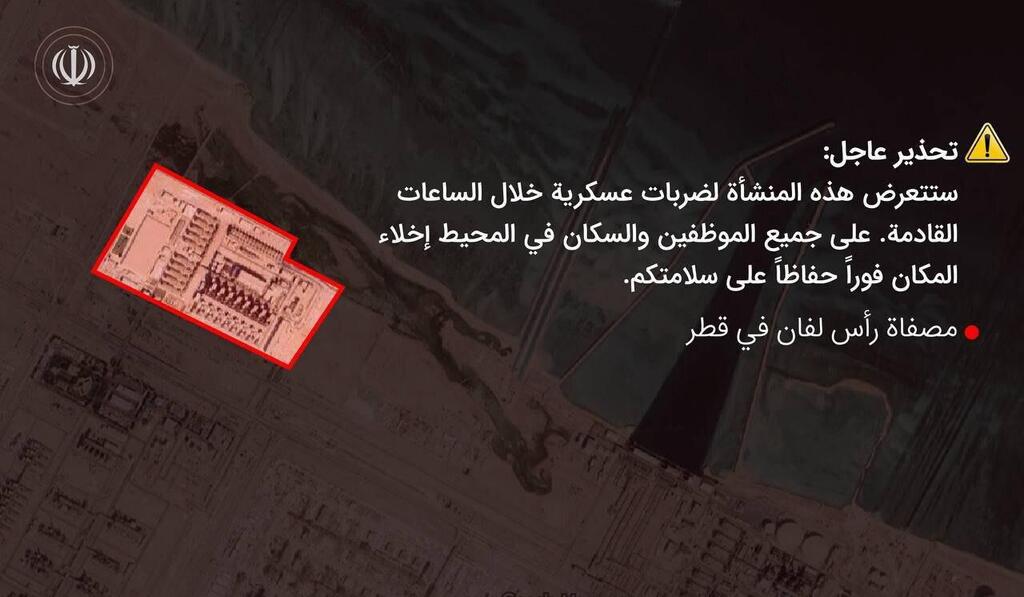
Iranian warning issued ahead of attacks on energy facilities in the Gulf
Qatar acknowledged that significant damage was caused in Iran’s retaliatory strike on the Ras Laffan “gas city,” one of the world’s most important liquefied natural gas hubs. QatarEnergy said missile attacks caused substantial damage, though there were no fatalities, and emergency crews were deployed to contain fires.
Iranian state media had earlier issued a warning urging civilians to avoid oil facilities in Saudi Arabia, the United Arab Emirates and Qatar ahead of the attacks. Saudi Arabia later said it intercepted ballistic missiles headed toward Ras Laffan. Saudi Foreign Minister Faisal bin Farhan said Riyadh reserves the right to take military action if necessary, adding that Iran “must reconsider its miscalculations” and that the attack would bring it no benefit.
He also called on Iran to immediately halt support for regional proxies and to ensure maritime security, warning that any threat to shipping requires a collective response. “Iran clearly has not understood the message and does not want to understand it,” he said, adding that trust with Tehran has been severely damaged.
The United Arab Emirates also condemned the attacks, calling them a “dangerous escalation” and a violation of international law. “An attack on energy infrastructure threatens regional stability and global energy security,” the UAE Foreign Ministry said.
Following the strikes, Qatar declared Iran’s military and security attachés persona non grata and ordered them to leave the country within 24 hours.
Iran’s Islamic Revolutionary Guard Corps said the attacks were aimed only at US-linked targets and were not intended to harm neighboring countries. In a statement, it said the latest wave of its operation targeted oil facilities tied to the United States, adding that Iran had not sought to expand the war to include regional energy infrastructure but was compelled to act after attacks on its own facilities.