


Investigators from Lahav 433, a crime-fighting umbrella organization within the Israel Police, are expected to travel to Serbia in the coming days, where Israel Einhorn, a central figure in both the Qatargate affair and the classified documents leak case, is currently residing.
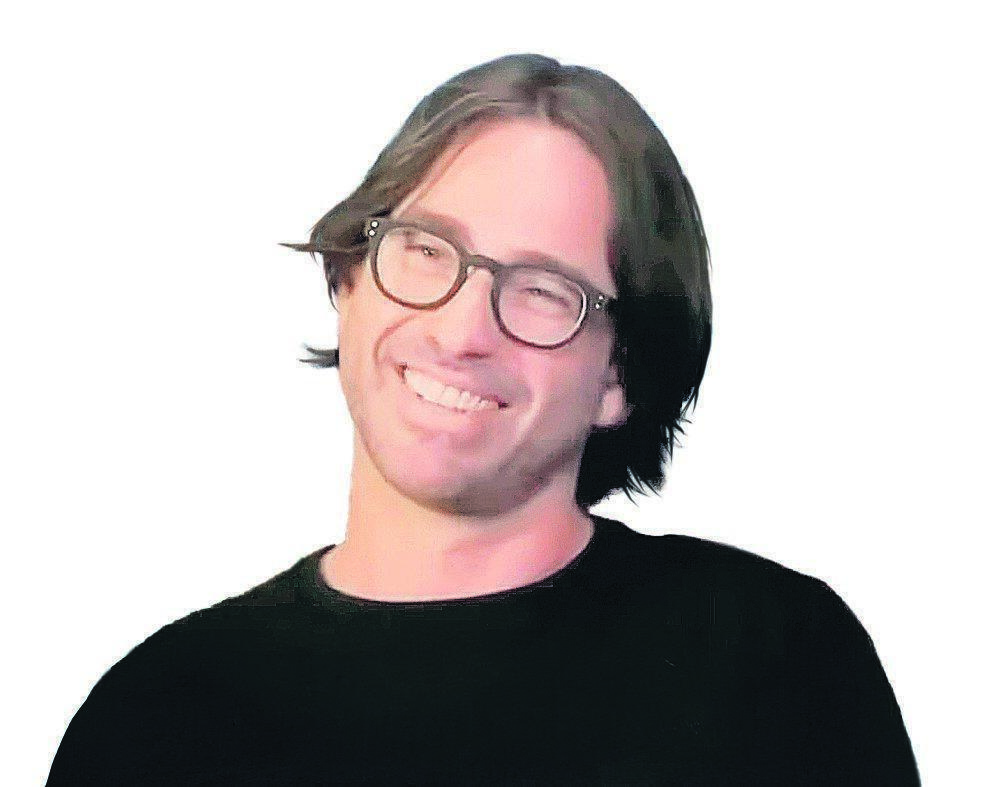
Such international investigative missions—where Israeli law enforcement physically leaves the country to carry out questioning—are rare, but legally permissible. The process is bureaucratic and tightly regulated, and only upon its completion can questioning be conducted abroad. Einhorn has shown no indication of returning to Israel in the near future. Typically, these types of inquiries are handled by local authorities, with the findings then passed through official channels to Israeli law enforcement.
Coordination between Israel’s Justice Ministry and Serbian authorities began recently, after legal approval was granted to conduct a foreign deposition. A Serbian investigator is expected to be present during Einhorn’s questioning.
Get the Ynetnews app on your smartphone: Google Play: https://bit.ly/4eJ37pE | Apple App Store: https://bit.ly/3ZL7iNv
The investigation may last several days and focuses on two cases in which Einhorn is allegedly involved. The first concerns the classified documents affair, where Einhorn is suspected of serving as a conduit between the Prime Minister’s Office and the German newspaper Bild, which received leaks originating from Israel’s defense establishment.
The second case, known as Qatargate, involves allegations that Einhorn fraudulently received funds from Qatari sources in exchange for running a public relations campaign to improve Qatar’s image—including its role in the negotiations over a hostage deal.
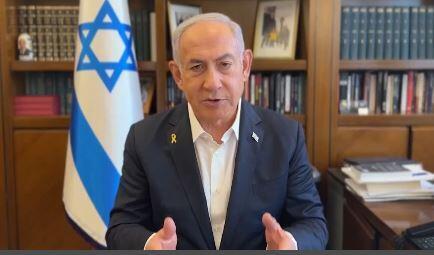
Prime Minister Benjamin Netanyahu
(Photo: Screeshot)
Einhorn’s interrogation represents a key step in building the evidentiary basis that could soon lead to indictments once investigators return to Israel with their findings.
Despite his close ties to the Serbian government, Einhorn has avoided returning to Israel for months. His initial request to be questioned in Serbia was rejected by the Israeli State Prosecutor’s Office, which had hoped to arrest him upon arrival in Israel or begin extradition proceedings. However, the prosecution later reversed its position and agreed to conduct the foreign deposition in Serbia without detaining him, as originally planned.