


Beyond the damage inflicted on elements of Iran’s regime and its missile and nuclear programs, a senior intelligence official revealed Friday evening that the strikes in Iran are also severely harming Hezbollah’s financial situation. The Lebanese terror group serves as a proxy of the ayatollah regime. “Alongside exploiting the money of Lebanese citizens, Hezbollah relies on Iranian financial transfers through money changers, investments and other channels,” the official said. “It uses these funds to rebuild the organization and its operatives, strengthen its strategic capabilities, and at the same time makes false promises to Lebanese citizens regarding reconstruction and compensation.”
Archive footage of IDF strikes in Iran and Lebanon
(Photo: IDF)


According to the official, “Striking regime targets reduces Hezbollah’s ability to receive money directly from Iran to nearly zero. The money-changing and transfer capabilities are being cut off at their source.” “As a result of severing the financing chain from its two main sides, Iran on one hand and the civilian population in Lebanon on the other, Hezbollah now finds itself in the most severe economic collapse it has faced in decades, a situation that continues to deteriorate with IDF strikes,” the official added.
For years, Hezbollah has presented itself as the “protector of Lebanon,” offering social services as part of that image. One of the mechanisms it uses to provide services to Lebanese citizens is the Al-Qard al-Hassan Association, a financial organization that operates as a parallel system to Lebanon’s official banking sector. The association stores reserves for times of crisis, provides loans based on depositors’ funds, offers financial services to the organization, including salary payments and money transfers, and runs donation campaigns for Hezbollah.
In practice, Hezbollah uses these services to create economic dependence on the association while exploiting the funds to purchase weapons and pay salaries to the group’s operatives. Until Operation Northern Arrows, Hezbollah relied for years on Iranian financial transfers alongside the exploitation of Lebanese citizens’ funds. After the fall of the Assad regime, the transfer axis was severely damaged, along with the channels used to move money. As a result, the Al-Qard al-Hassan Association has become a central pillar of Hezbollah’s economy, as it safeguards the organization’s funds.
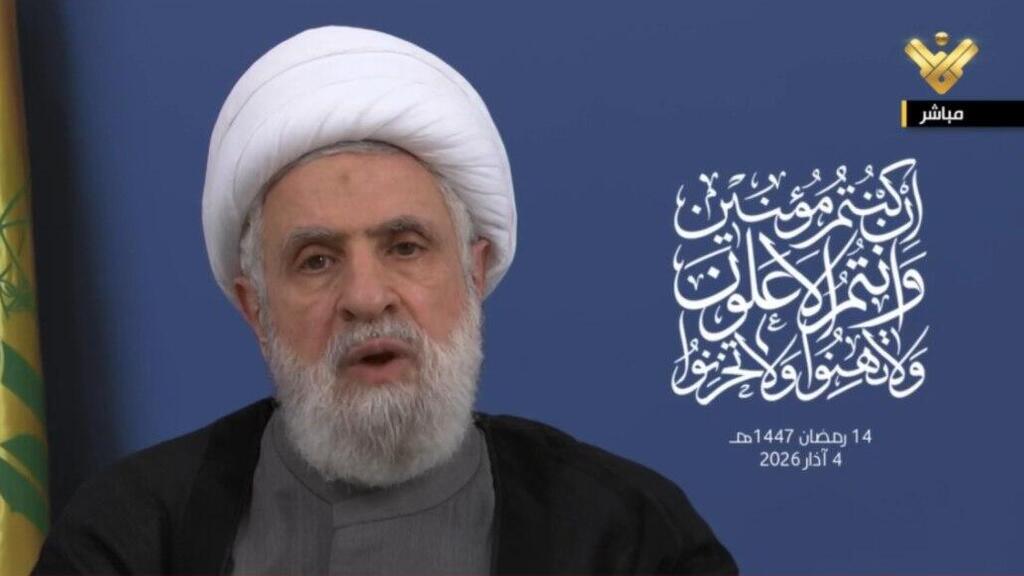
Through its various financial sources, the association enables Hezbollah to safely store Iranian funding, obtain money from independent funding channels, pay salaries to its operatives and provide them with bank-like financial services. The association’s storage facilities protect Hezbollah’s financial reserves, estimated at hundreds of millions of dollars, and serve as an economic safety net for the organization. Some of these facilities are located within civilian areas.
Before Operation Northern Arrows, Hezbollah’s budget stood at tens of millions of dollars per month. After the war, Iran provided an additional $1 billion for the organization’s compensation program for Shiite residents whose homes were damaged during the fighting. The monthly funds Hezbollah receives from Iran support the group’s routine operations but are insufficient to cover its expanding expenses following the war.
Hezbollah’s attempts to rebuild its economy are severely harming Lebanon’s national economy. As Lebanese-Iranian money continues to flow, the Lebanese state grows weaker. On July 15, Lebanon’s central bank banned financial institutions in the country from maintaining ties with the Al-Qard al-Hassan Association and threatened to freeze accounts and revoke licenses of institutions that continue to work with it. The move followed international pressure to shut down the organization. Despite the pressure, the association continues to operate as usual and serves Hezbollah as a central mechanism for financing terrorist activity and fighting against Israel.
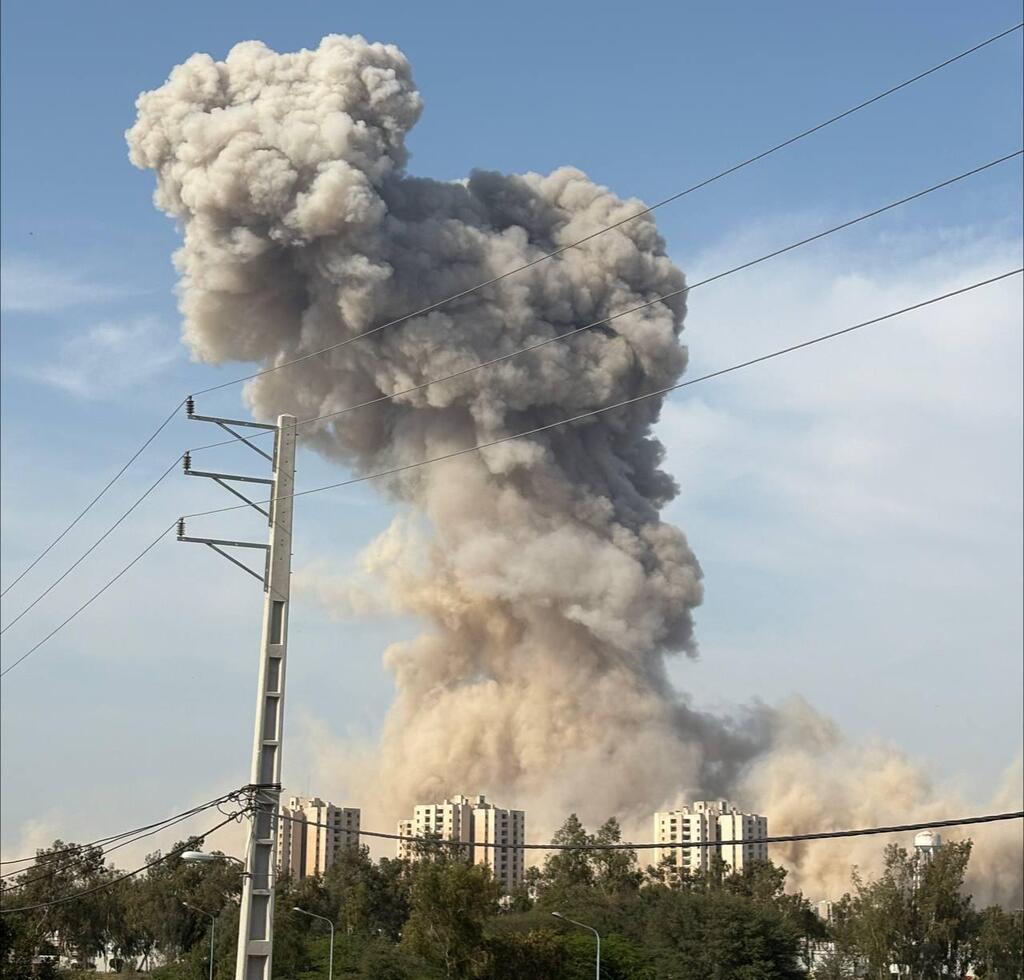
Strikes in Bushehr during Operation Lion’s Roar
During Operation Lion’s Roar, the Israel Defense Forces and the United States military launched strikes in Iran against numerous targets linked to the Iranian regime. Hezbollah voluntarily joined the campaign and launched attacks against Israel. In response, the IDF began a broad offensive against Hezbollah targets in southern Lebanon and in Beirut, including key assets and cash storage facilities belonging to the Al-Qard al-Hassan Association.
The combined Israeli strikes on regime targets in Iran and on Hezbollah’s most critical infrastructure in Beirut’s Dahieh district are significantly affecting the group’s financial condition and weakening it. The Iranian regime’s direct war against Israel and the United States is also preventing it from continuing to fund and arm its proxy organization in Lebanon. At the same time, strikes on assets belonging to the Al-Qard al-Hassan Association that contain Hezbollah’s cash reserves are destroying its financial capabilities, significantly damaging its ability to plan and carry out terrorist attacks against Israel on multiple fronts.
IAF kills Basij fighters overnight
Meanwhile, the Israeli Air Force killed members of the Basij militia overnight who were operating checkpoints recently established in Tehran. The Basij forces are part of the Iranian regime’s security apparatus and for years have been responsible for carrying out terrorist activities.
In addition, the forces lead the regime’s central repression efforts against internal protests, particularly in recent months, using severe violence, mass arrests and force against demonstrators.