


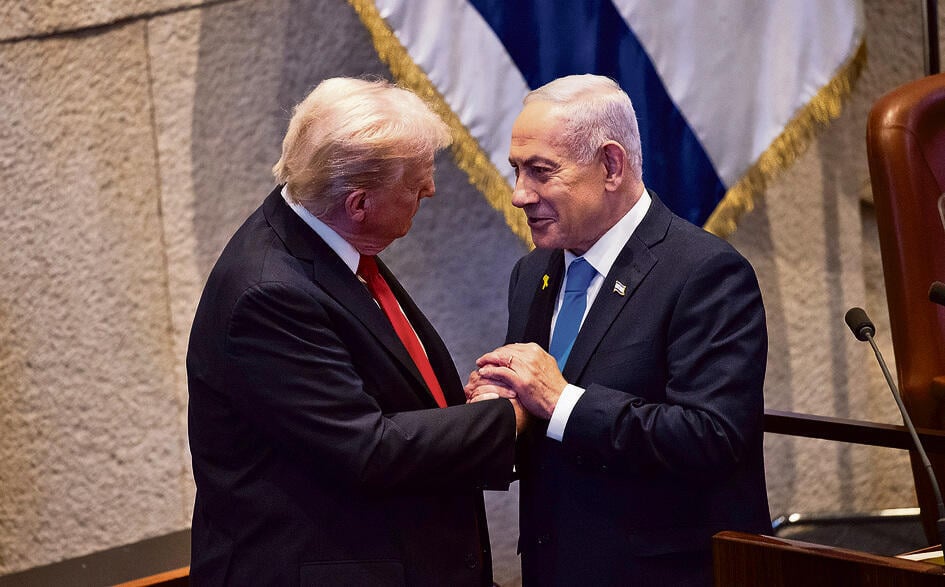
A wave of leaks and briefings emerging from Israel in recent days, focusing on escalating tensions with Iran and arguments for launching another round of action against Tehran, is expected to intensify in the lead-up to Prime Minister Benjamin Netanyahu’s meeting with U.S. President Donald Trump in Washington later this month.
Beyond drawing attention away from other key issues on the national agenda — including the state inquiry into the October 7 attacks and delays in implementing the second phase of the Gaza ceasefire deal with Hamas — these headlines, often attributed to a “senior diplomatic official” or “Western intelligence sources,” risk igniting a genuine conflagration. Officials warn that miscommunication with Iran could trigger another debilitating conflict that neither side currently intends to wage.
Senior IDF officers have repeatedly cautioned this year, particularly following June’s 12-day war, that mishandling the Iranian file could be the primary spark for renewed hostilities, rather than any actual intent by either Israel or Iran to initiate war.
At present, Iran’s threat assessments reportedly rely heavily on Israeli media reports, as Iranian intelligence operatives face increasing difficulty operating on the ground in Israel. Since the start of the war, 34 Iranian espionage attempts inside Israel have been foiled and cleared for publication.
“If the Iranians get the impression that winds of war are once again blowing eastward from here, they may consider striking first,” senior security officials warned. “If the goal is to either resume attacks there or maintain the current ceasefire, it’s better to remain silent than to flood the media with this kind of noise. The unusual activity detected in Iran by Western intelligence agencies may partly stem from baseless rumors spread on Israeli Telegram channels about readiness for escalation.”
Iran’s recovery is proceeding unhindered
In the absence of an international enforcement mechanism or any diplomatic arrangement to limit Tehran, Iranian forces began rebuilding their missile capabilities immediately after the end of this summer’s historic clash with Israel. Advanced missile production know-how and significant funding have continued to flow steadily in recent months to Iran’s regional proxies, from Yemen to Lebanon.
IDF officials have assessed that if this trend continues, another round of hostilities with Iran is likely. However, they have recommended threshold conditions for any renewed Israeli initiative, though the details remain classified.
A missile test in Iran, this month


For now, military officials believe Iran has not yet crossed that threshold. IDF sources expressed skepticism on Monday over the recent wave of public statements coming from the political echelon. For instance, they said that an Iranian military exercise held this month does not necessarily indicate preparation for an imminent attack on Israel.
Israeli security officials assess that Iran still lacks a strategic interest in retaliating against Israel at this stage. Tehran is believed to be focused on improving its military capabilities, learning from its failures over the summer, strengthening its intelligence gathering and further arming Hezbollah and the Houthis. In this context, the Iranian regime’s instinct for self-preservation currently outweighs any desire for revenge.
Still, a misreading of Israeli military preparations could prompt Iran to launch a preemptive strike, officials warned, one that could provide the United States with political justification to offer Israel renewed military and diplomatic support, at least in a defensive capacity, in the event that dozens of heavy missiles are fired daily at Israeli territory.
Senior IDF officers have also noted that Israel’s defense establishment must draw significant lessons from the campaign against Iran, which took place in the closing stages of the prolonged, complex, multi-front war that the IDF has been engaged in since the October 7 attacks.
“We burned through a host of boutique capabilities in the war with Iran, unprecedented deceptions, special weaponry, classified technologies and tactics we had preserved for two decades to deploy only against Iran in the third circle,” said a senior IDF officer.
Will Hezbollah join in this time?
Another unresolved question facing the intelligence community concerns Hezbollah’s potential involvement: Will the Shiite terrorist group join a future round of fighting by launching attacks from Lebanon, or might Iran intervene if Israel initiates a military operation aimed at halting Hezbollah’s renewed military buildup?
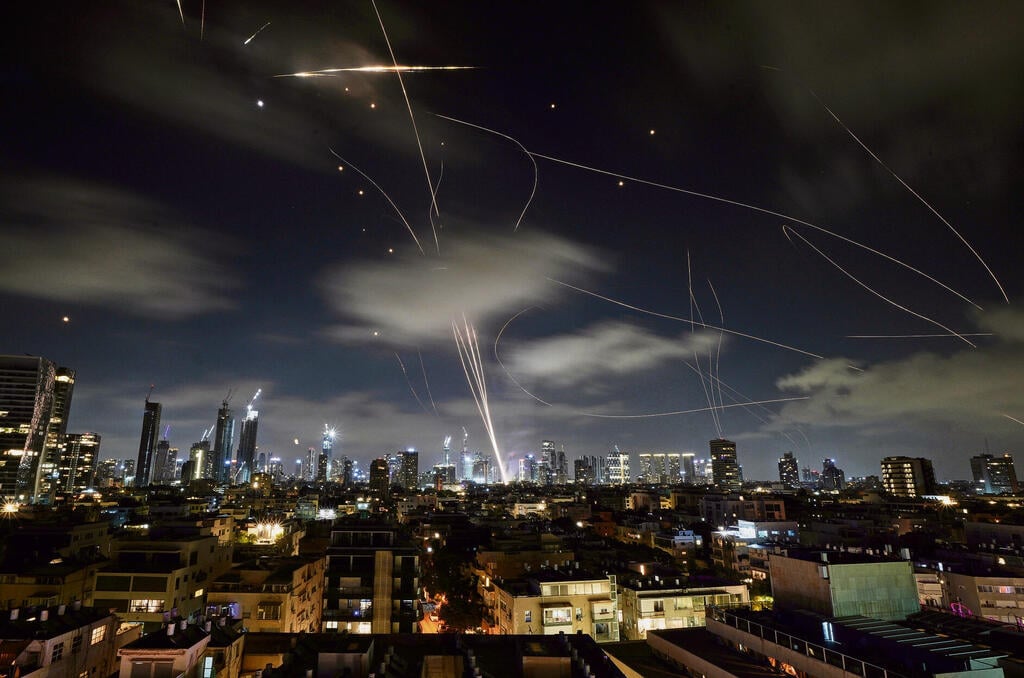
Air defenses activiated over Tel Aviv
(Photo: Leo Correa/AP)
During the 12-day war with Iran this summer, the battered Hezbollah notably refrained from launching a single rocket. Still, the IDF is preparing for a scenario in which that restraint may not be repeated. A simultaneous multi-front escalation — a scenario military intelligence warned about in the months leading up to the October 7 attacks — remains a real concern.
In the coming days, the U.S.-Lebanese-brokered ceasefire agreement that ended hostilities along Israel’s northern front last year is set to expire. The agreement has yet to be renewed. Meanwhile, American officers are reportedly advising the administration to support Israel in a potential operation against Hezbollah, which remains stronger and better equipped than the Lebanese Armed Forces.
With all three active fronts — Gaza, the northern border and Iran — expected to dominate discussions between President Trump and Prime Minister Netanyahu, the latter may be compelled to offer concessions in one arena, such as Gaza, in order to gain American backing for more aggressive moves in another.