


Parents of children in the Sharon-Samaria district of the Bnei Akiva youth movement have decided not to approve their children’s participation in a planned Tu Bishvat hiking trip to Sebastia and the Shavei Shomron area, citing security concerns.
The trip, scheduled for February 2, would include planting activities in the northern West Bank. Several parents told ynet they refused to sign consent forms due to fears over the security situation. Criticism was also voiced by a family of reservists, who expressed frustration that regular army soldiers from the Nahal Brigade’s 50th Battalion were assigned to secure the trip during a period of heavy operational demands and growing troop fatigue.
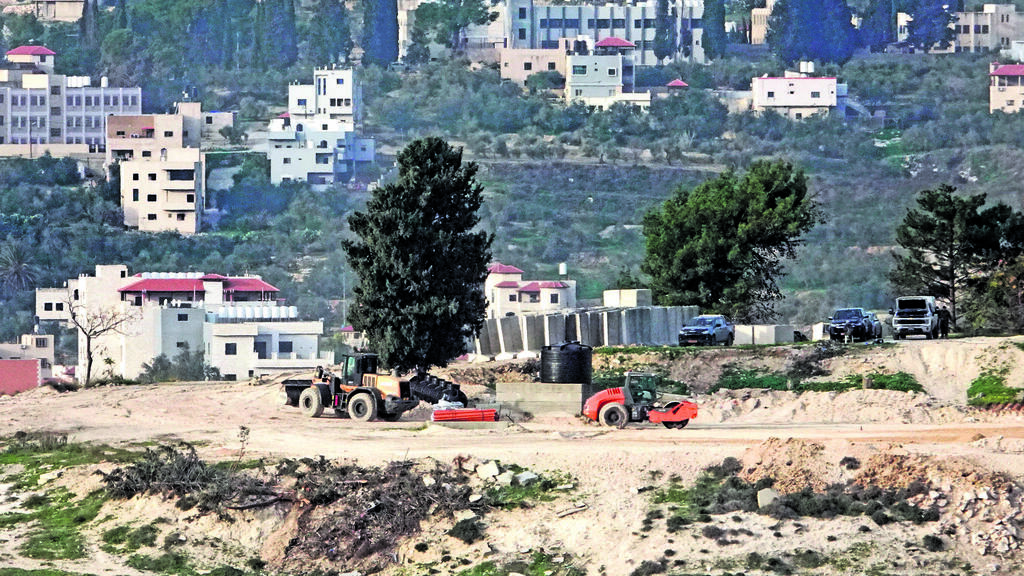
“Why send children to a place where a security incident could happen in the first place?” said a mother of three involved in Bnei Akiva, who chose not to allow her children to attend. “If it requires brigade commander approval, company-level security and armored buses, then it is not safe.”
This is the first time a Bnei Akiva-organized trip has included Sebastia, near Nablus. Parents who questioned the route were told by organizers that most of the children do not visit the area regularly because their parents do not carry personal weapons, and that the trip was seen as an opportunity to expose them to the site.
One mother said the local coordinator dismissed concerns over low registration and parental opposition, arguing that the movement believes in settlement across the Land of Israel and that such trips reflect its values. “I also believe in settlement and much of what is taught here,” she said, “but I do not think this is the right way for everyone.”
Other Bnei Akiva districts will be hiking in different areas across the country. Children from central Israel will visit Tzora Forest, those from the north Ramat Menashe, Haifa Ramat Hanadiv, while the Sharon-Samaria district will hike in Judea and Samaria.
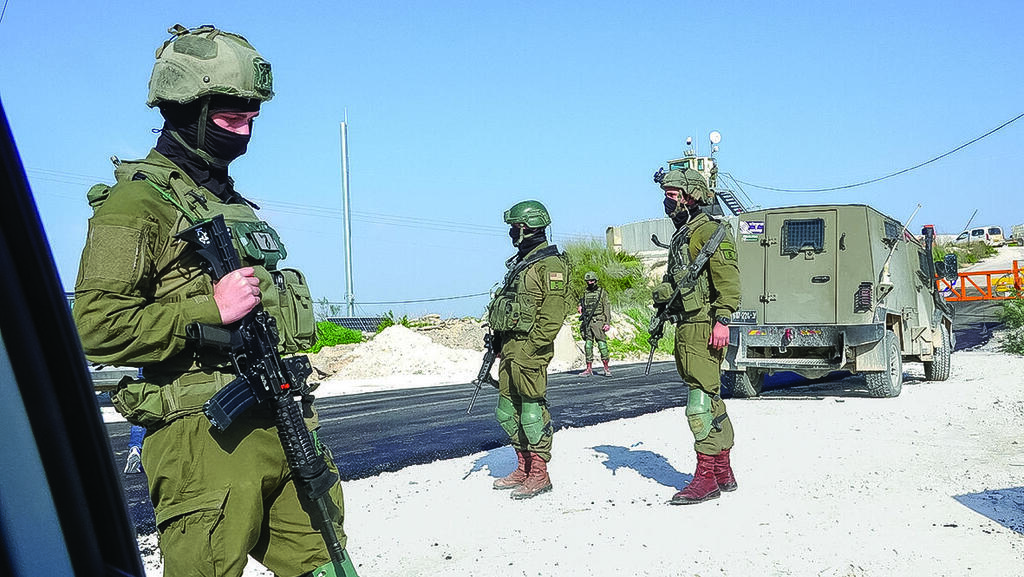
IDF forces in northern West Bank
(Photo: Shaul Golan)
Concerned parents asked whether their children could be reassigned to a different district’s trip. According to one mother, they were told there was no reason to worry, as some of the buses would be armored, the roads would be secured by soldiers and all approvals had been granted up to brigade level. She later learned that not all buses would be armored.
“We were put in a position where either we send our children while worried, or we stop them from going and disappoint them,” she said. “There is no consideration for us as parents.”
Another mother, who serves in the reserves and is married to a reservist combat soldier, questioned the allocation of military resources. “I was fine with the route itself,” she said. “But I was alarmed when I heard that active-duty combat soldiers are being assigned to secure this trip during endless missions.”
“I am currently in reserve service, my husband is as well, and I know the level of exhaustion,” she added. “At a time like this, when soldiers are stretched to the limit, they are also securing a youth movement hike? It feels dismissive. The blanket is short, and it is clear who will take on the missions left behind.”
Central Command is expected to provide security for the trip, creating a secured corridor for the buses, similar to other civilian events held beyond the Green Line. The IDF routinely secures large gatherings in settlements, including family tours, prayers and hikes.
The decision to hike in northern Samaria is part of a broader government policy aimed at restoring Israeli settlement in areas evacuated during the 2005 disengagement. In recent months, plans were approved to expand Homesh and allow families to return to Sa-Nur, following cabinet approval to reestablish Ganim and Kadim. Hundreds of dunams near Sebastia were recently expropriated from Palestinians to preserve the historical site.
Bnei Akiva said in response that tens of thousands of its members will be hiking across Israel on Tu Bishvat, including thousands in the Sharon-Samaria district who will walk “Biblical trails” in Samaria and Sebastia. The movement said the trip was approved by all professional authorities and remains subject to final clearance from the Education Ministry situation room.
The IDF said it is responsible for security in Judea and Samaria and prepares for civilian events as part of its defensive missions, adding that there will be no harm to ongoing defense or offensive operations.