

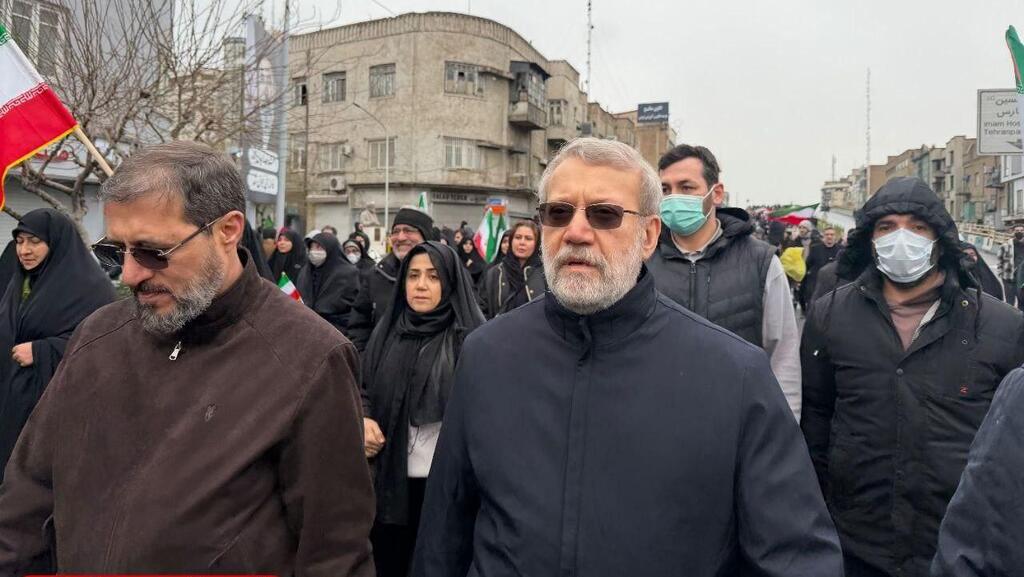
On Friday, Ali Larijani walked confidently at a rally of regime loyalists in central Tehran, his first public appearance during a war in which he was a known assassination target. “Brave people, brave officials, brave leaders. This combination cannot be defeated,” the senior Iranian official wrote on X. Four days later, he was dead.
Early Tuesday, Israeli intelligence located Larijani, along with other regime figures, at a hideout on the outskirts of Tehran and killed him in an airstrike. That same night, the commander of the Basij — a pro-regime volunteer militia — Gholamreza Soleimani, was also killed. Iranian civilians reported to Israel that he was hiding with his deputies in a tent in Tehran, and Israel struck.
IDF strikes in Theran
(Video: IDF)


The United States and Israel say the war will create conditions for the Iranian people to overthrow the regime, and the targeted killings early Tuesday mark a milestone in that effort. Security personnel are under pressure and fleeing, while warning the public not to protest in the streets. The Wall Street Journal reported that thousands of regime members, from senior leaders to low-ranking soldiers, have been killed. Iranians describe growing disorder, though for now it is not enough to topple the regime.
A target list and damage assessments obtained by The Wall Street Journal offer a glimpse into the extensive effort to erode Iran’s security forces. The documents show the campaign began in the early days of the war and has intensified.
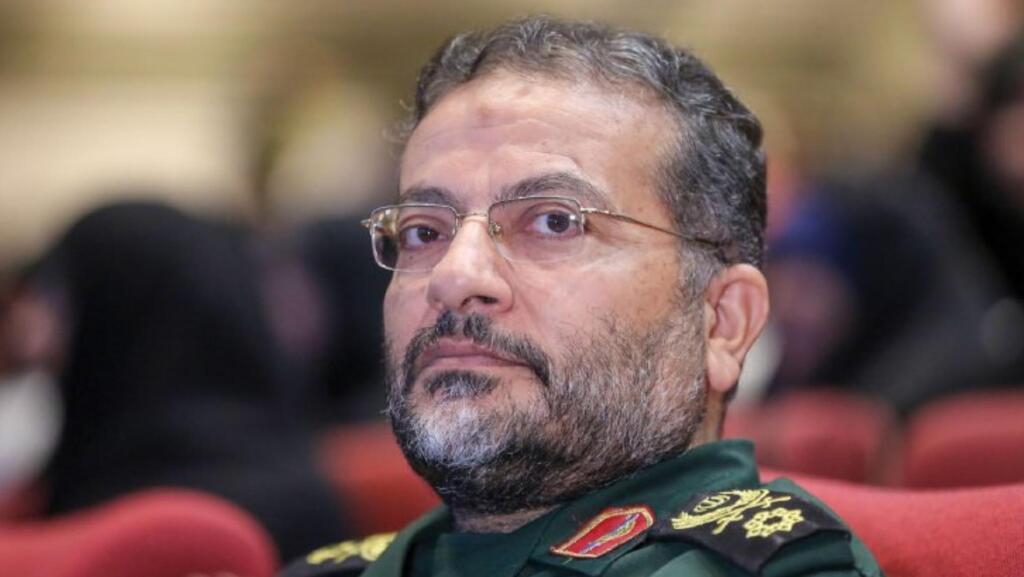
Gholamreza Soleimani
Israel is pursuing security personnel from command headquarters to assembly points and then to hiding places under bridges, aiming to disrupt operations and signal to Iranians that security forces are being eliminated.
So far, Israel has dropped 10,000 munitions on thousands of targets, including more than 2,200 linked to Iran’s Revolutionary Guard, the Basij and other internal security forces. It estimates that thousands have been killed or wounded. The advanced technology Israel is using, along with the penetration of its agents into Iranian society, poses the most significant threat to the regime to date.
Still, The Wall Street Journal noted that decades of military experience show it is difficult, and perhaps impossible, to topple a government from the air alone. If the Iranian regime survives, it could emerge from the war stronger and more dangerous.
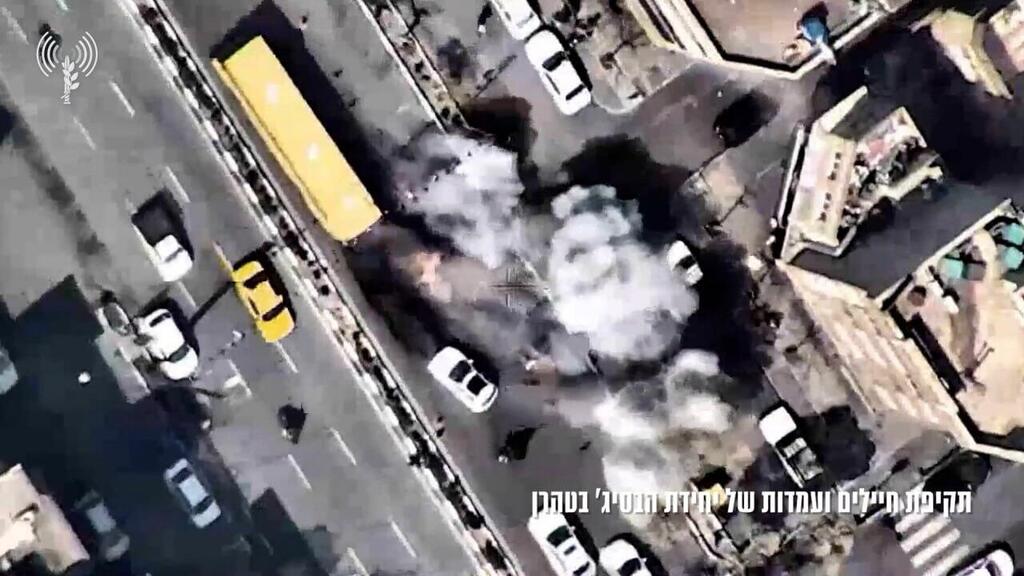
The Air Force is striking Basij unit
(Photo: IDF)
Israel opened the war by striking at the heart of the regime, eliminating Supreme Leader Ayatollah Ali Khamenei. Together with the United States, it quickly destroyed most of Iran’s missile launchers and air defenses. The two countries then divided responsibilities: the United States focused on Iran’s military and industrial capabilities, while Israel targeted the forces that enable the regime’s survival.
As early as the second day of the war, Israeli fighter jets systematically struck headquarters and command centers of the Revolutionary Guard, the Basij and the police. Israel targeted sites where its intelligence assessed regime personnel were located. The list of targets later expanded. Israeli intelligence discovered that Iran had a contingency plan in case its internal security facilities were destroyed — to move gatherings to local sports complexes.
Israel tracked sites that filled with regime personnel and struck them before the end of the war’s first weekend. According to Iranian damage assessments obtained by The Wall Street Journal, these were among the deadliest attacks of the war, killing hundreds of security personnel, the vast majority at Azadi Stadium.
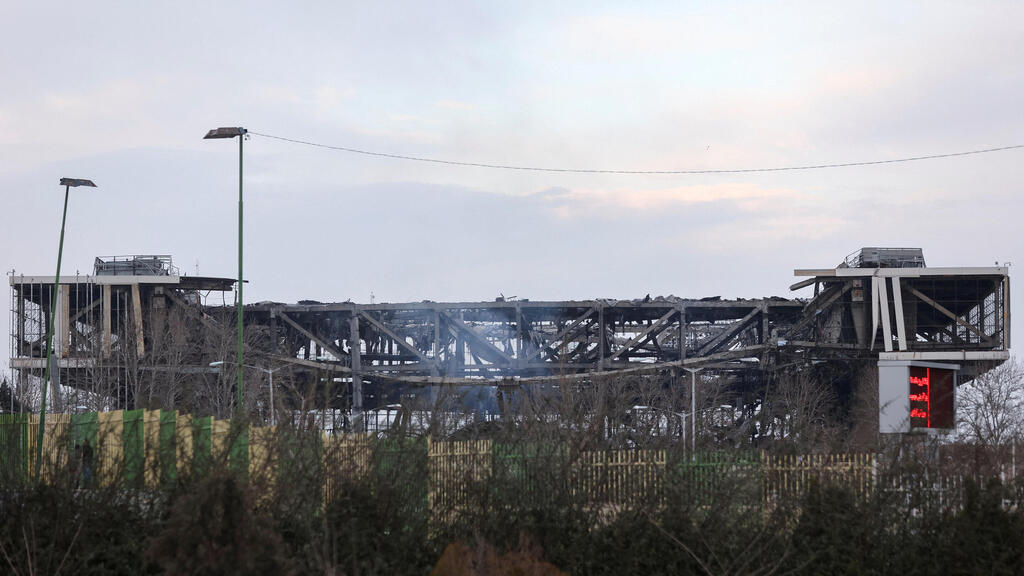
Azadi Stadium
(Photo: Majid Asgaripour/WANA (West Asia News Agency) via REUTERS)
Israeli officials believe the strikes have hurt morale among lower-ranking members of Iran’s security forces, leading some to sleep in their cars, in mosques or in sports facilities. Meanwhile, Israeli intelligence operatives began calling Iranian commanders, threatening them and their families if they attempted to suppress an uprising by the Iranian public.
The Wall Street Journal published the contents of one such call, between a senior Iranian police commander and a Mossad agent. “We know everything about you. You are on our blacklist, and we have all the information about you,” the agent said in Persian. “I’m calling to warn you that you must stand with your people. If you don’t, your fate will be like that of your leaders. Do you hear me?” The commander replied, “Brother, I swear on the Quran, I am not your enemy. I am already a dead man. Please, come help us.”
Last week, as Israeli officials questioned whether airstrikes alone could topple the regime, the military again expanded its targets. The Israeli Air Force began operating a fleet of drones over Tehran and other areas of Iran, focusing on Basij outposts and checkpoints. The drones struck dozens of targets, each time killing between two and four members of Iran’s security forces. In many cases, the strikes followed intelligence provided by Iranian civilians.
Israel assesses that the air campaign is disrupting the regime’s operations and damaging the morale of its forces. Iranians said they saw security personnel taking over schools, sports halls and civilian buildings to relocate their operations while fleeing Israeli aircraft and drones.
A doctor in Tehran said members of the security forces begged to sleep in his apartment building, and that he saw them sleeping in tents and buses. Other residents said many officers are hiding in residential buildings, prompting neighbors to evacuate for fear of attack.