



They took time off work, spent significant sums on flights and traveled across continents to cast their ballots in an Israeli election they believed could determine the country's future. But many Israelis living abroad who returned specifically to vote found themselves facing what appeared to be yet another political deadlock.
For some, the prospect of another election raises an uncomfortable question: Could they afford to make the journey again? While some say another trip would be financially impossible, others insist they will keep coming back, regardless of the cost.
Gallery
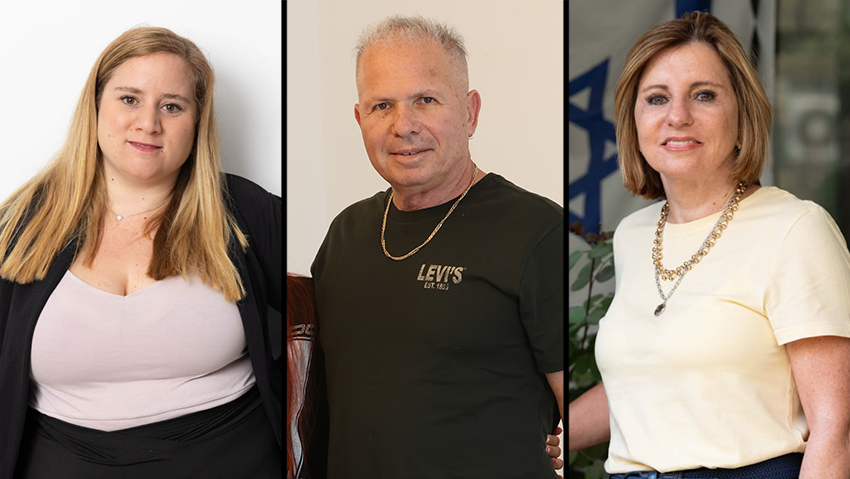
Hani Weizman, Yitzhak Fligelman and Shiri Sadeh, who traveled to Israel from abroad to vot
(Photo: Yuval Chen, Oz Moalem, Elad Gershgoren)
‘Many won't come back. It's a sacrifice’
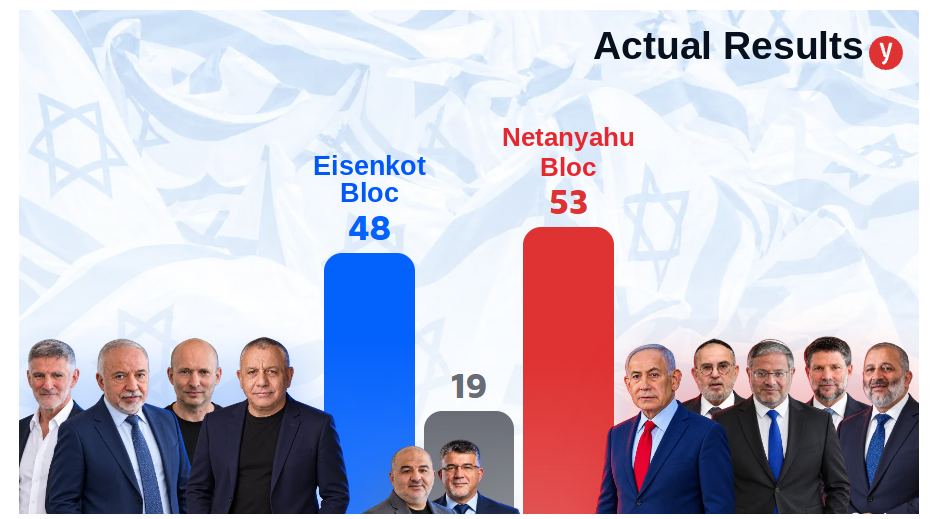
Shiri Sadeh, 34, a musician and technology professional who has lived in Munich for the past two years, flew to Israel specifically to vote for Beyachad (Together), the party led by Naftali Bennett. She had expected a much more decisive result for the bloc seeking to replace Prime Minister Benjamin Netanyahu's government.
"I'm surprised by the results because I was certain the outcome would be much more decisive for the change bloc," she said. "The current situation caught me off guard. I thought that after October 7, people wanted to move in a particular direction, and it's hard for me to imagine the current government continuing."
Despite her disappointment, Sadeh remains determined to hold on to hope.
"I'm a hopeless optimist," she said. "I surrounded myself with people who think like me, so I developed this illusion that everyone wanted change. But in reality, there are many people who want the current government to stay."
If another election is called, however, Sadeh is not certain she will be able to return to Israel to vote. In fact, she has yet to book her flight back to Germany because she wants to see whether another election might take place soon.
"Right now, we're in the dark," she said. "I'm waiting before buying my return ticket because I want to see if there's going to be another round. If it's a month and a half away, I'll stay here. But if it's several months away, that becomes challenging, and I find it hard to believe I'll come back again to vote because it's such a huge financial expense."
She noted that many Israelis who traveled home to vote have far less flexibility than she does.
"There are a lot of Israelis who came to vote for a day or two and then went back, people who are in the middle of full-time jobs," she said. "I'm more flexible, but they won't come back again. It's a sacrifice of time and a great deal of money."
Still, Sadeh said she has no regrets about making the trip.
"I'm completely at peace with it. It's important, and this country matters to us. We're part of it," she said. "Even when we're over there, we think about Israel every day, and it's important for us to have our say. The results don't change that."
‘The hatred here is our greatest enemy’
For Yitzhak Fligelman, 65, who traveled from Canada with his wife and daughter, the election results were disappointing. But what troubled him even more was the bitter political hostility he encountered during his visit.
"The results disappoint me, but what's hardest for me is the incredible hatred here. It's something I've never seen in this country before," he said. "Anyone who isn't on your side becomes your worst enemy."
Fligelman, who voted for Netanyahu, described one particularly disturbing encounter.
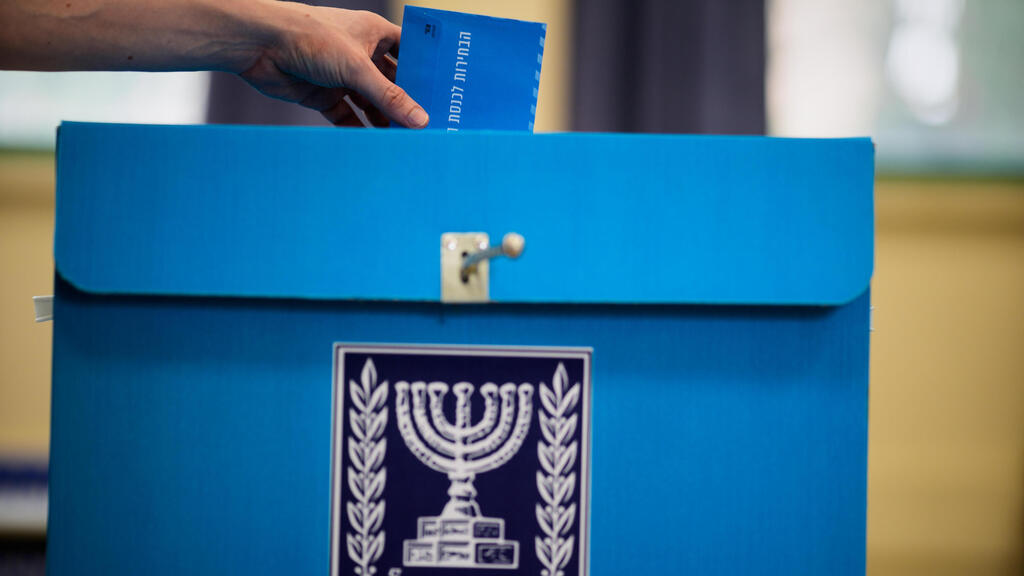
(Photo: AP/ David Goldman)
"Because I voted for Netanyahu, someone told me they hoped my plane would explode on the way back," he said. "I answered, 'I love you, but if that's what you're wishing on me, I understand how far we've fallen. If that makes you happy, so be it.'"
On another occasion, he said, an acquaintance cursed at him in front of his daughter because of his political views.
"The people are divided, and we have to find unity," he said. "There's a wound here. This society needs treatment, and that has to start with the media. The leaders need to step up, and it doesn't matter who takes the reins. There has to be unity."
"If we're united, we'll be the strongest in the world. The hatred here is our greatest enemy."
Despite his disappointment and the hostility he experienced, Fligelman said he does not regret traveling to Israel and promised to return if another election is held.
"Things look different from here than they do from there," he said. "I'm in favor of a Jewish unity government, but if that doesn't happen, I'll come back again and again if there are repeat elections, despite the financial expense and the time it takes."
"People don't understand what it means to leave the comfort of your life behind and fly 15 hours just to come and vote."
‘I'm not giving up on Israel. This is our home’
Hani Weizman, 65, who traveled from Brazil, said she was saddened by the results and deeply concerned about Israel's political future.
"I'm sad. I'm even sadder for Israel, and I'm worried," she said. "I thought there would be a much more decisive result for the change bloc."
"After everything we've been through, from the judicial coup to the October 7 massacre and Qatargate, none of it made people wake up and understand that change is necessary. That's worrying. I don't see how another election would produce a more decisive result."
Weizman believes political leaders must now take responsibility and find a way to establish a government despite the divisions.
"We have to act responsibly and find a way to form a government and take charge," she said. "Netanyahu may not be able to form a government, but it's difficult for our side too."
She also called for greater political inclusion of Israel's Arab citizens.
"I think it's time to respect Arab citizens and include them in the government. We should have done that earlier."
Like Sadeh, Weizman is unsure whether she would be able or willing to make another journey to Israel if fresh elections are called.
"It depends on what happens," she said. "I don't regret coming to vote. We had to make this attempt. I don't want to commit to what I'll do next time, but I don't see how the kind of mobilization we had this time could happen again and produce a better outcome."
She said a different political strategy could persuade her to return.
"Only if the bloc organizes itself differently would that make me come back," she said. "I'm not giving up on Israel. This is our home."
Above all, Weizman hopes the country's political leaders can find a way out of the deadlock without sending Israelis back to the polls.
"I very much hope there won't be a second round, and that perhaps even a minority government can be formed, so that at least we can try to bring some hope."