

In a dramatic political maneuver during wartime, the Knesset approved the 2026 state budget overnight Monday, passing a spending plan of 699 billion shekels ($221.6), the largest in the country’s history.
The budget won final approval after ultra-Orthodox parties, which had initially said they would not support it without progress on legislation exempting their community from military service, ultimately voted in favor.
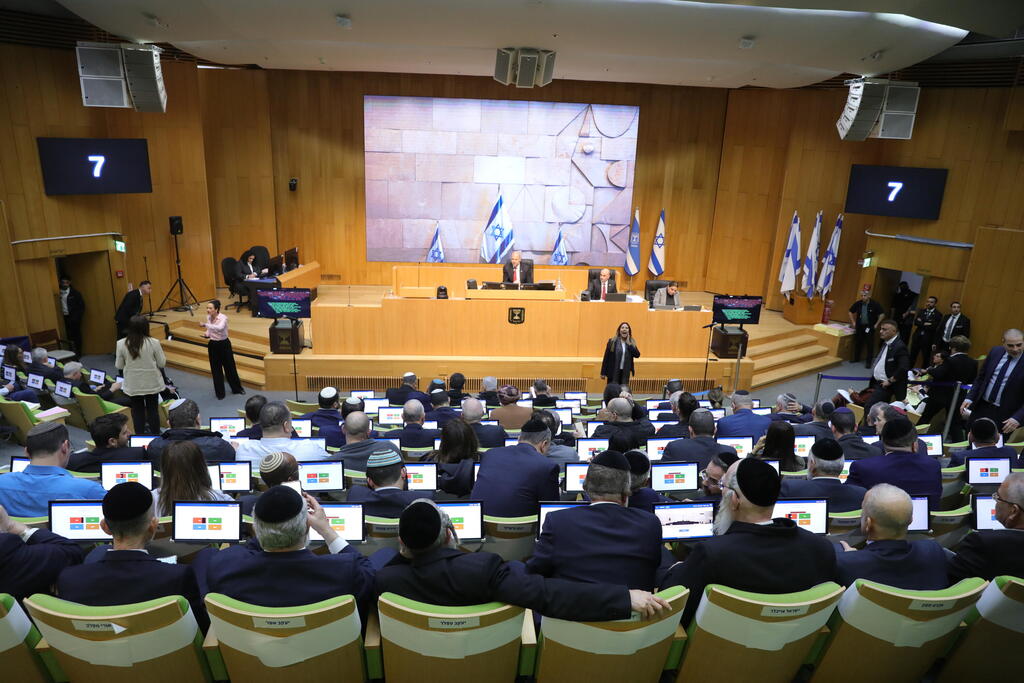
Moments before the final vote, lawmakers witnessed a last-minute confrontation in the Knesset plenary, which was meeting in an alternate fortified hall because of the war. It was then that one of the concessions to the ultra-Orthodox parties became clear: coalition lawmakers unexpectedly introduced formal budget reservations of their own, even though such objections are typically submitted by the opposition in an effort to challenge the budget.
The coalition’s reservations called for the approval of funding for yeshivas and other ultra-Orthodox institutions. Coalition officials insisted the move did not create new spending. Instead, they said, it authorized the use of hundreds of millions of shekels from coalition funds through a route that critics say bypassed the attorney general’s guidance barring use of the money because of the dispute over military conscription and the non-enlistment of yeshiva students in the IDF.
According to political officials, the maneuver had been planned in secret for over a week so the opposition would be caught off guard. The coalition’s reservations were approved, and the tactic proved so effective that during the first vote on the reservations, opposition lawmakers appeared confused and voted in favor. The measure passed by 107 votes to 4.
Coalition officials said the money had already existed within coalition allocations, but that spending it required legal approval. Attorney General Gali Baharav-Miara had not approved a significant share of funds earmarked for the ultra-Orthodox sector because of the conscription dispute and because of a High Court of Justice ruling against funding some ultra-Orthodox institutions. As a result, the money had remained frozen in a reserve budget line and could not be released.
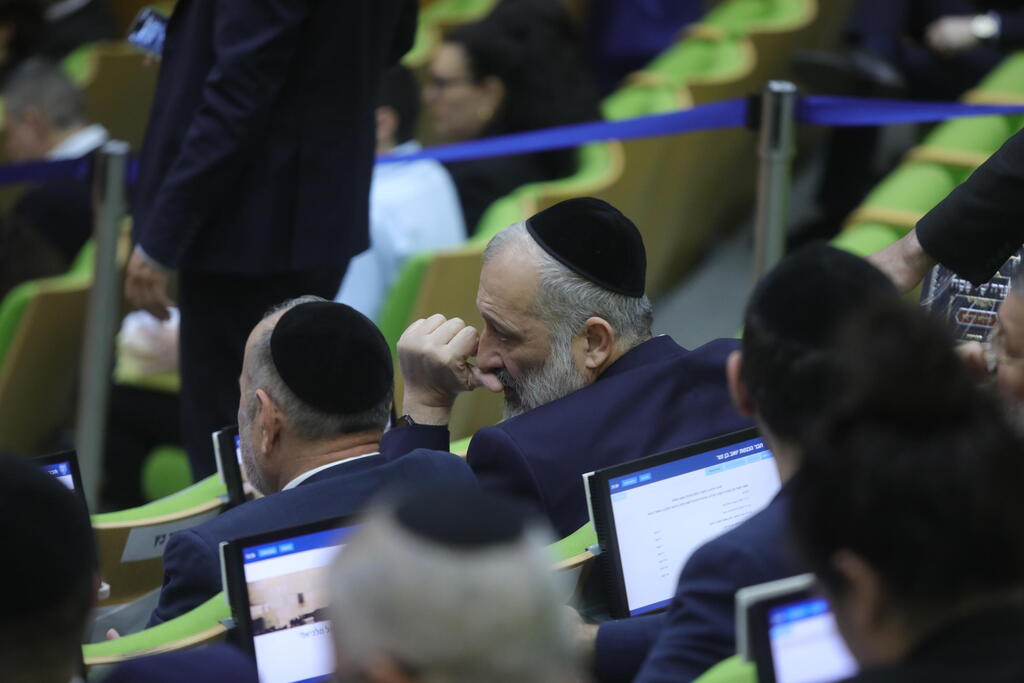
Shas leader Aryeh Deri
(Photo: Gil Yochanan)
The reservations approved overnight freed those funds from reserve status and transferred them into a standard budget line under the Education Ministry, despite the legal opinion opposing such a move.
Opposition leader Yair Lapid denounced the step, saying it was unprecedented in the history of parliament. “The coalition added at the last minute hundreds of millions of shekels to the ultra-Orthodox parties beyond the budget framework,” Lapid said. “This is a pathetic group of thieves disconnected from the public, robbing Israeli citizens blind while they are in shelters.”
Cabinet minister Zeev Elkin mocked the opposition for being caught by surprise. Writing on X, he said he could not recall a similar episode in years and accused Lapid-led opposition lawmakers of failing to check what they were voting on before backing the ultra-Orthodox reservations to increase funding for yeshivas. “About 100 lawmakers supported increasing the yeshiva budget,” Elkin wrote.