

“It’s not my award. It belongs to the families.”
For Chantal Belzberg, Israel’s highest honor is deeply personal, shaped by decades of standing beside victims of terror in their darkest moments.
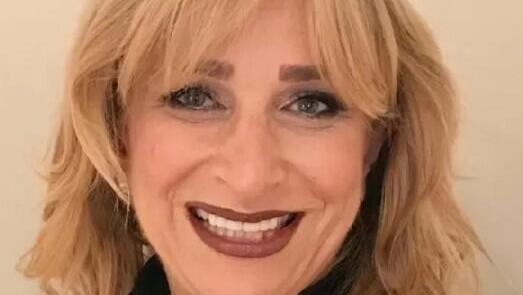
Belzberg is the winner of the Lifetime Achievement Award from the Israel Prize, which she will receive this Tuesday on Israel Independence Day.
When she learned she was a recipient, she said it felt like receiving “a gigantic hug” on behalf of the tens of thousands of victims of terror that her OneFamily Fund NGO has supported since 2001.
“They’re going through so much pain and the country stopped for a minute to say, ‘we’re with you,’” she told the ILTV Podcast.
Belzberg spoke just days before the education minister was set to present her with the award. In the interview, she reflected on some of the people she has helped over the years.
She described a widow whose husband had been celebrating her birthday when he received a call from the local security team warning of terrorists in their community. He left to help and never returned.
“When I think of her, I cry,” Belzberg said, with tears in her eyes.
She also recalled a young boy she met at a OneFamily camp who would sit beside her as a child. He was very young when his father was killed, and she watched him grow up. Years later, he was recruited to a top army unit and lost a leg in battle.
Watch these previous podcasts:
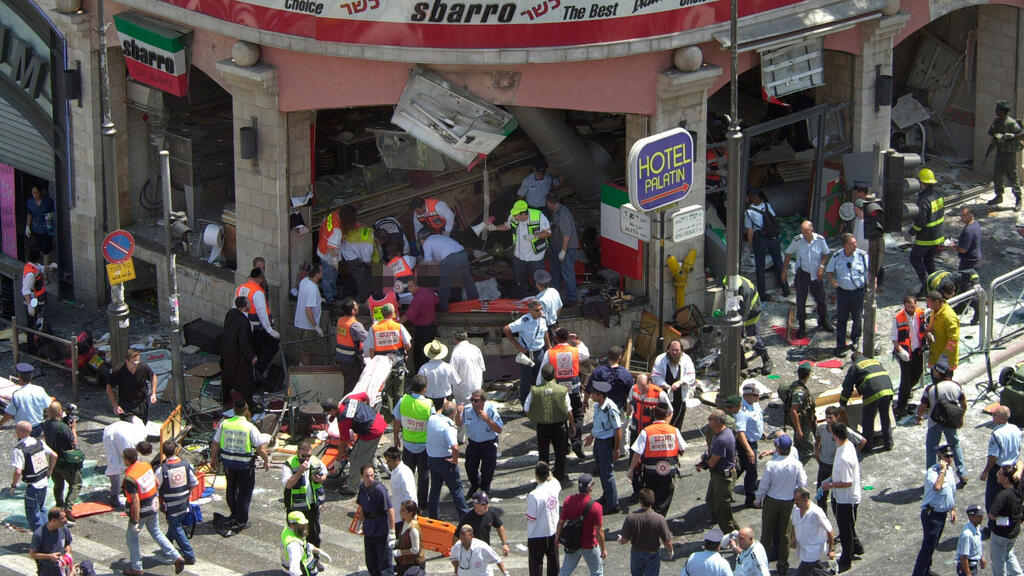
OneFamily began as a bat mitzvah project by Belzberg’s daughter, Michal. The initiative was sparked by the infamous Sbarro pizza shop bombing in Jerusalem, which killed 16 civilians, including several children and a pregnant woman, and injured more than 130 people. The attack took place about a year after the start of the Second Intifada. The Belzbergs had moved to Israel from North America in 1992.
That summer, Michal was supposed to celebrate her bat mitzvah with family and friends in Israel. But after the bombing in Jerusalem’s city center, many relatives were hesitant to come.
“We had planned a big party for her for the end of August, when everybody was going to be around, and family was supposed to come,” Belzberg recalled. “Everybody was like, we're not gonna come. And we were like, okay, you know what, this is an opportunity.”
Belzberg’s husband, Mark, who runs the organization with her but maintains his Canadian citizenship and was therefore not eligible for the Israel Prize, decided together with Michal to call all 300 invited guests and ask them to donate to victims of terror instead. What began as support for victims of the Sbarro attack quickly expanded into something much larger. To this day, Belzberg said, her daughter reminds her that she always believed the project would grow into something bigger.
(Photo: AP)
At first, OneFamily focused on supplementing victims with financial assistance that the government could not provide. Over time, however, the organization evolved to place equal emphasis on emotional support.
“We do a lot of support groups. We build communities – communities of bereaved parents, communities of widows, communities of children who lost parents, communities of children who lost siblings, communities of young adults who've lost parents, communities of children who've lost both parents, communities of wounded,” Belzberg explained.
The organization also employs caseworkers, whom Belzberg describes as “professional friends.” These individuals are not therapists, but they are available to offer ongoing support at any time.
“It’s their landline,” Belzberg said. “What's unique about OneFamily is the different layers that together create something that almost doesn't exist anywhere in the world. You can go to a therapist, but the therapist is not going to help you with your money or make sure that you have money to pay for food, because that's not what he does. So OneFamily will do the therapy and also make sure that you're financially stable. Because if you're not financially in good shape, you're not going to be able to heal well. And also the communities. You have so many different layers working together to create that big support network.”
For Belzberg, a central mission is ensuring that victims of terror understand they are not alone. This was especially critical during and after the Second Intifada, when attacks occurred frequently but social media did not yet exist, leaving families isolated in their grief.
“Nobody was really connected to anybody else,” she recalled.
After October 7, Belzberg said her work expanded even further. OneFamily opened additional support groups, including for grandparents and for twins who lost their other half. She noted that in more than 20 years, there had only been one case of a twin losing their sibling that OneFamily worked with. Today, after October 7, there are around 40 such cases.
She said the current reality in Israel has forced her to redefine the term “resilience,” which is often used to describe Israeli society. For her, resilience is courage.
“It's the ability to wake up in the morning with a lot of pain and manage to get out of bed, trying to make it through your day, even though you know this reality can't be fixed,” Belzberg said. “Resilience is being brave.”
Over the past 25 years, she said she has learned that the pain of loss from terror or war does not disappear, but people must find ways to live with it. The families she works with, she added, are a constant source of strength.
“It definitely has changed me tremendously, seeing so much pain,” Belzberg admitted. “You can’t be indifferent to it… But knowing that you can help and that you could do something meaningful is also very helpful.”
Her message to families of terror victims is simple: “Know you are not alone. We’re here with you. We’re not going away.”
Watch the full conversation:
First published: 20:29, 04.18.26