

The wave of anti-government protests in Albania, a Balkan country hoping to join the European Union in the coming years, entered its sixth day Sunday, with Prime Minister Edi Rama refusing to resign as protesters demand. Rama insists the demonstrations threaten not his government but Albania's hopes of joining the EU, a move expected to dramatically improve living standards in the country.
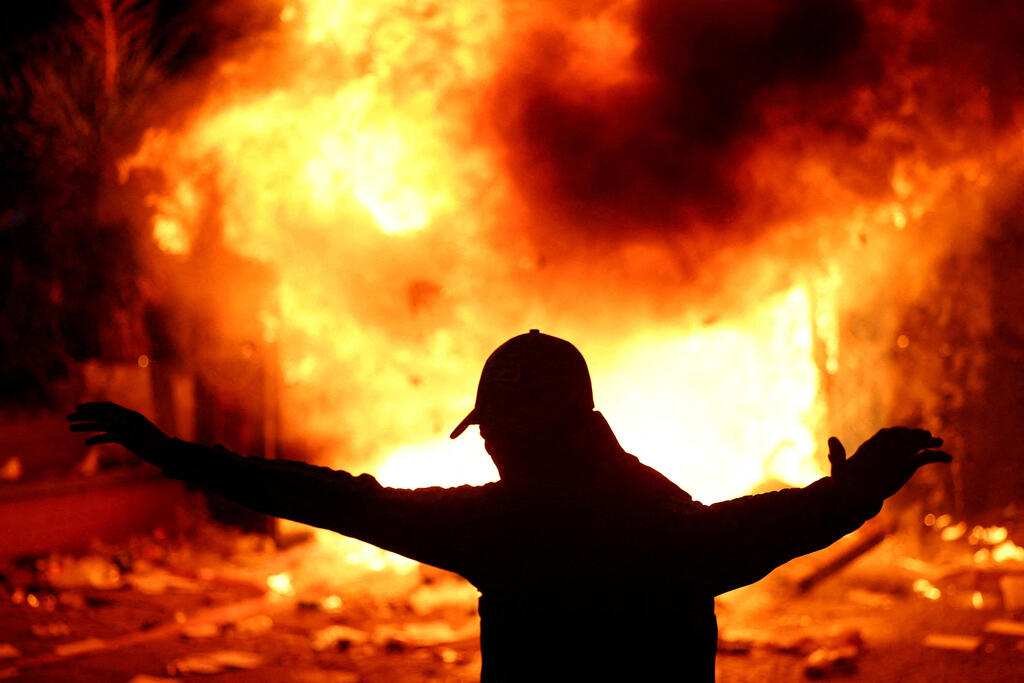
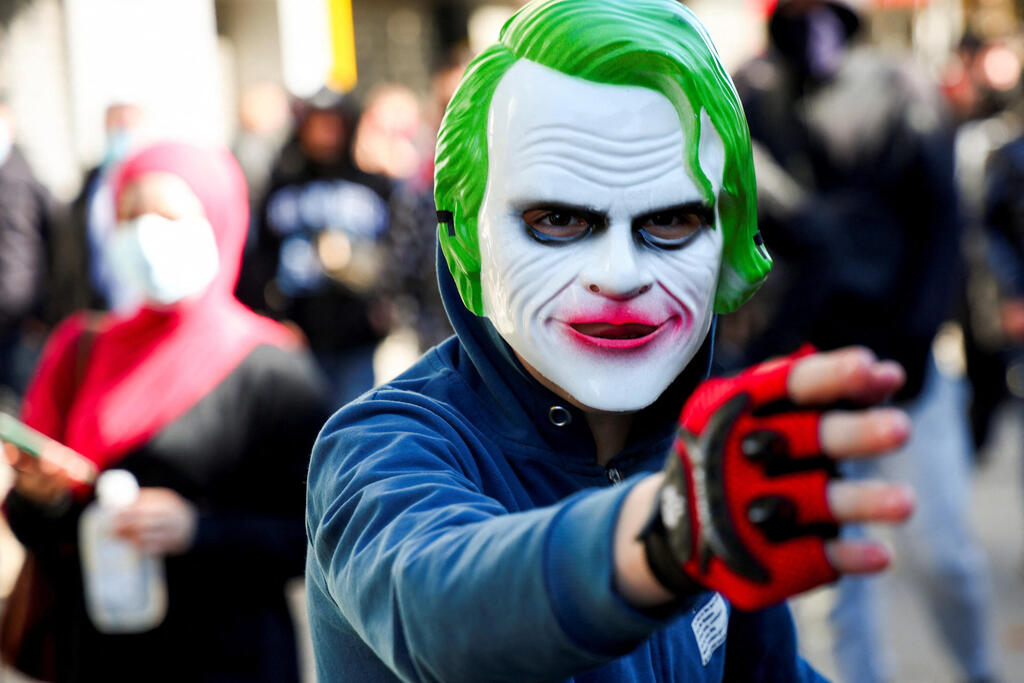
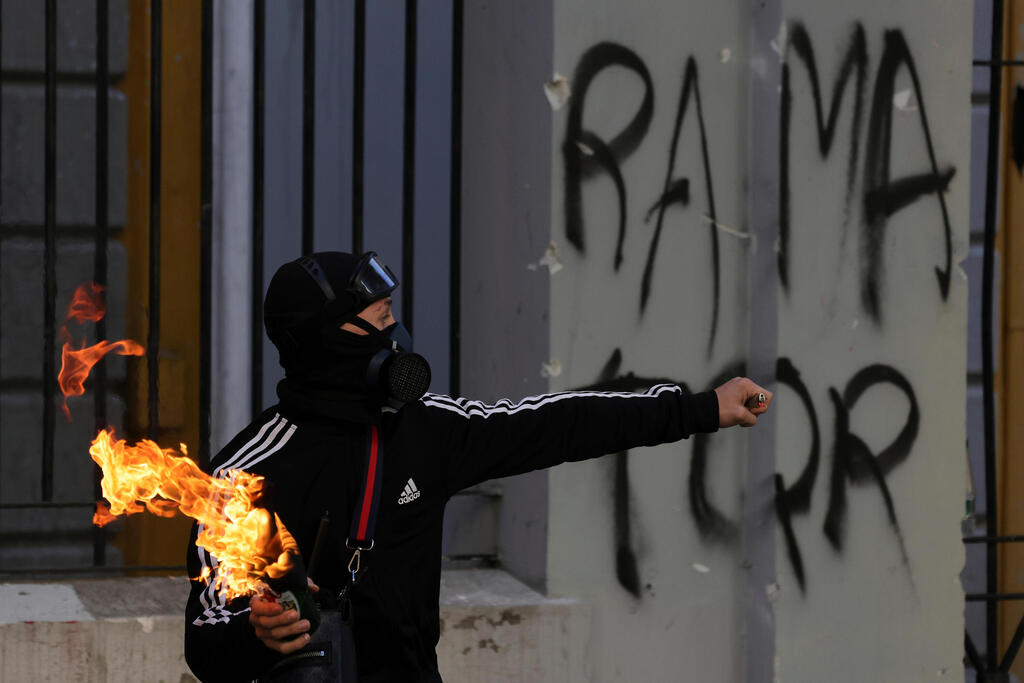
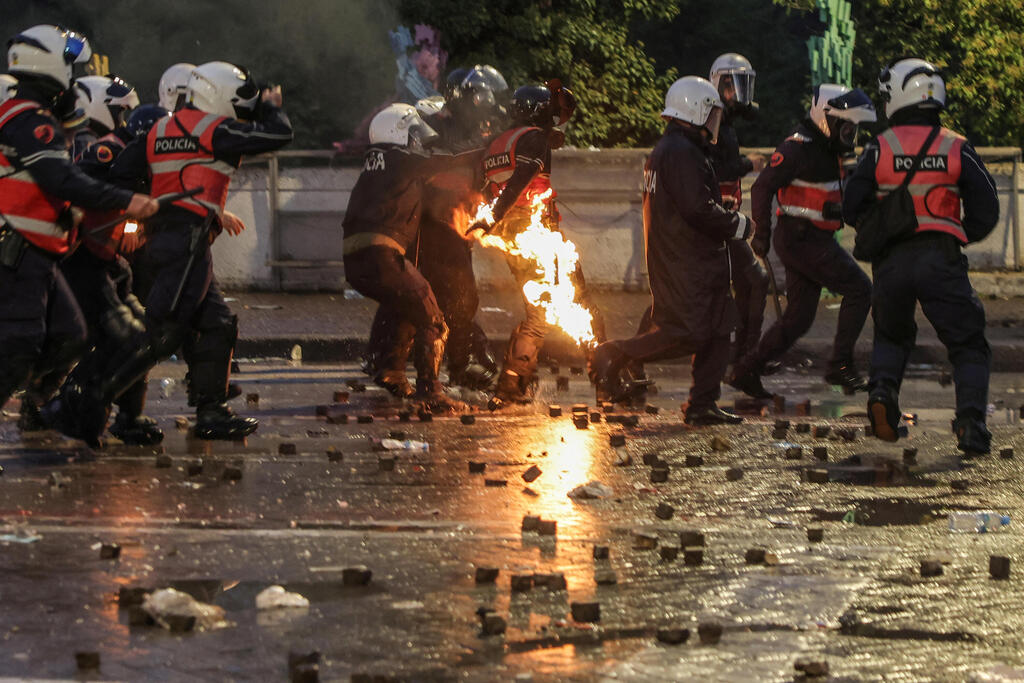
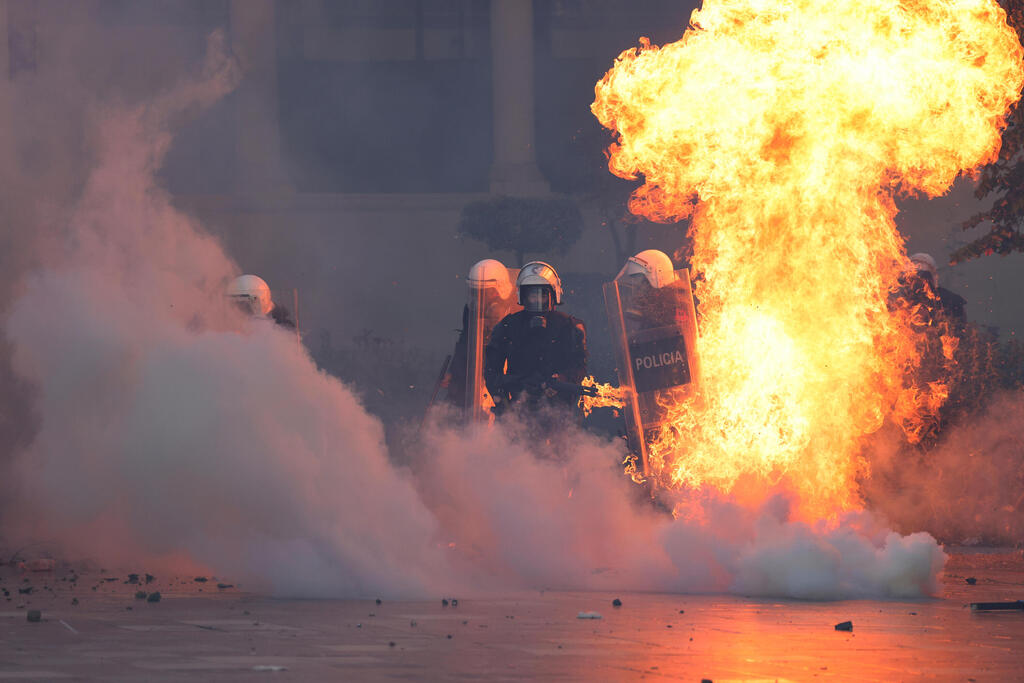
The protests sweeping Albania since last Tuesday have been led by students angry over what they see as government corruption, a lack of job opportunities and poor education standards. The demonstrations began in the center of the capital, Tirana, but have since spread to other cities. Protesters demanding Rama's resignation have set fire to government buildings and banks, smashed storefront windows and torn up paving stones to throw at police officers.
Gallery
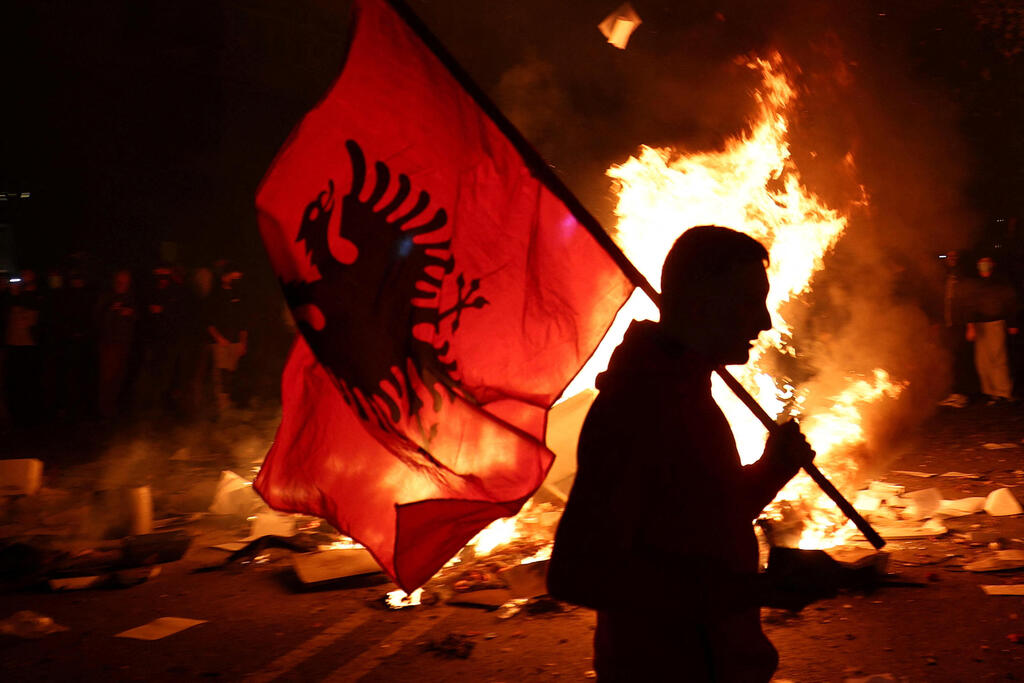
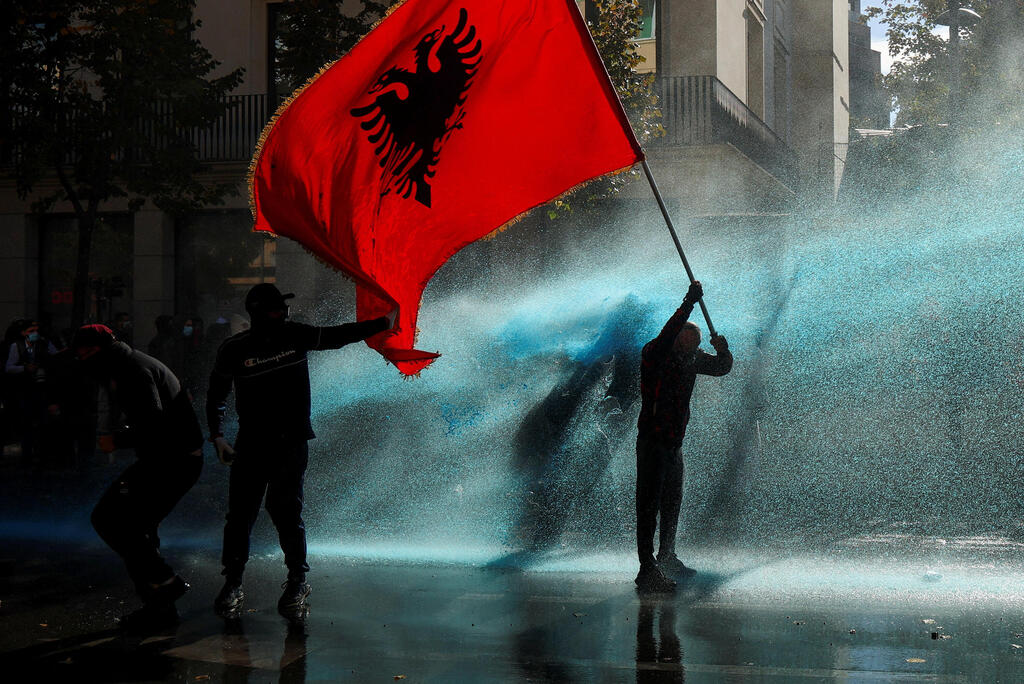
A protester carries the Albanian flag during riots in Tirana over the past week
(Photo: REUTERS/Florion Goga)
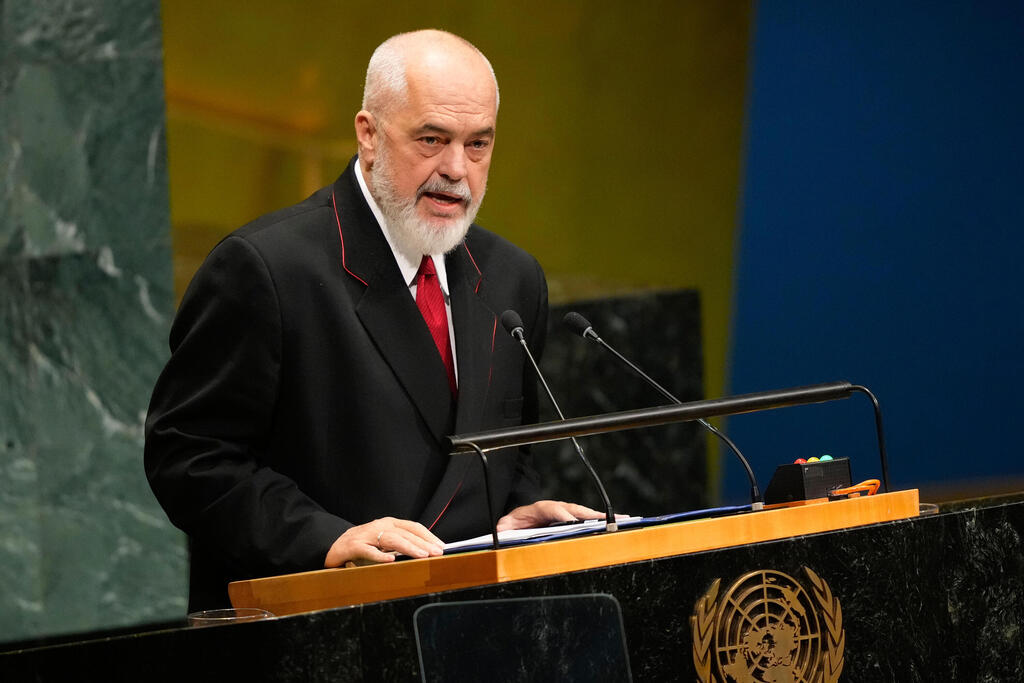
Prime Minister Edi Rama, who was elected to a fourth term
(Photo: AP Photo/Yuki Iwamura)
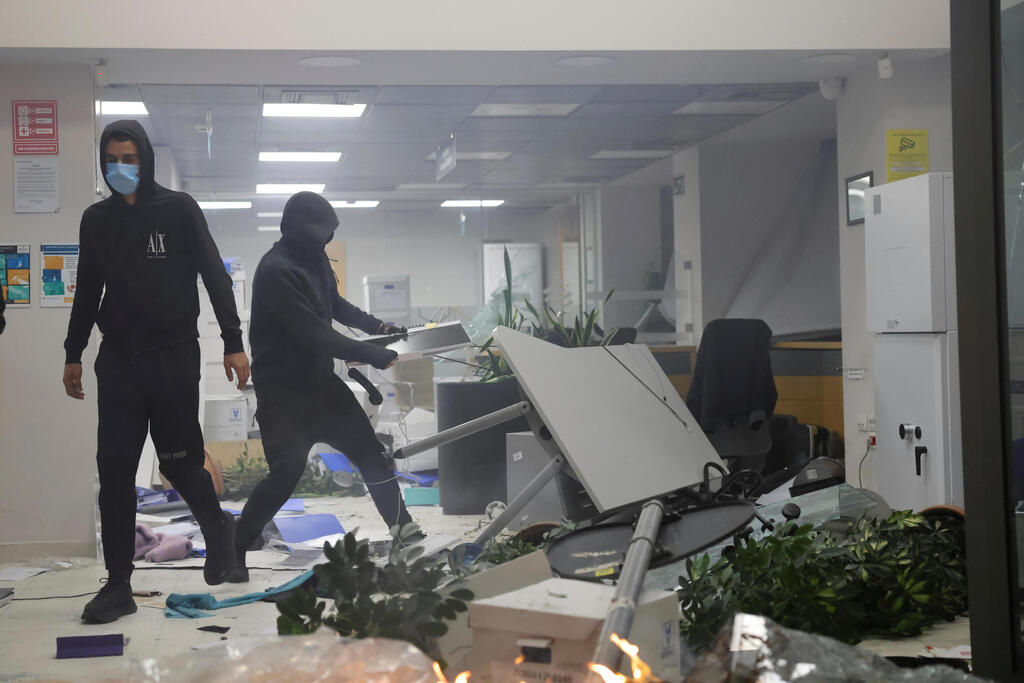
A bank vandalized by protesters in Tirana
(Photo: AP Photo/Hameraldi Agolli)
The riots erupted after months of largely peaceful demonstrations that began over the summer and became known as the "flamingo protests." The pink bird became a symbol of the movement, whose participants protested a luxury real estate development along Albania's coastline led by Jared Kushner and Ivanka Trump, the son-in-law and daughter of U.S. President Donald Trump. The current wave of demonstrations grew out of that earlier protest movement and now poses the greatest challenge yet to Rama's rule. He has governed Albania since 2013 and won a fourth term in office last year.
(Photo: REUTERS/Florion Goga)
(Photo: REUTERS/Florion Goga)
(Photo: AP Photo/Hameraldi Agolli)
(Photo: AP Photo/Boris Grdanoski)
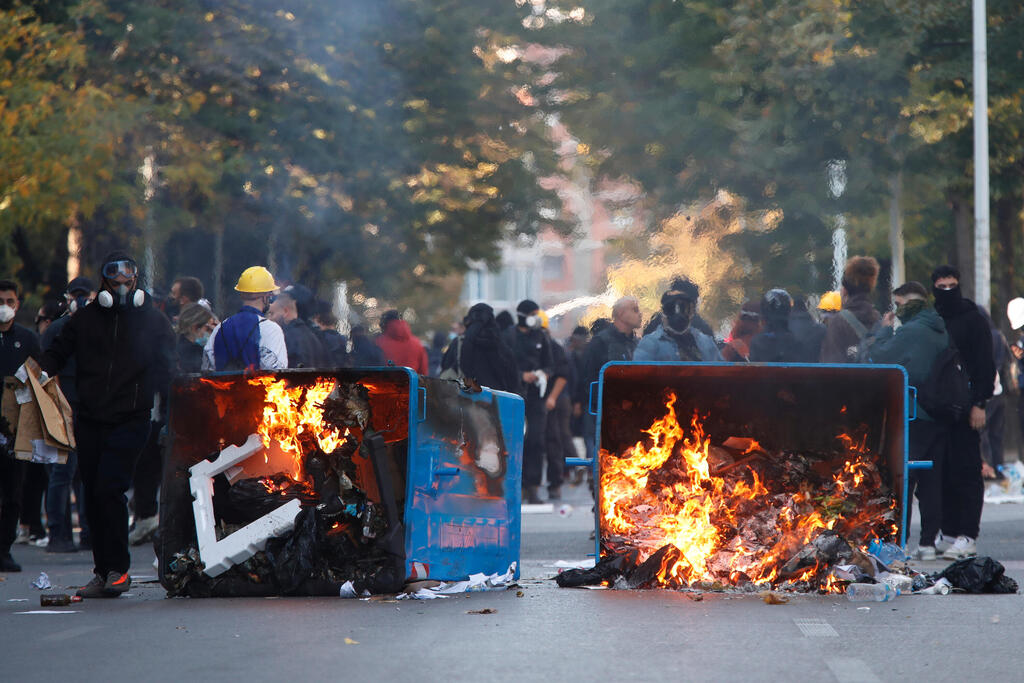
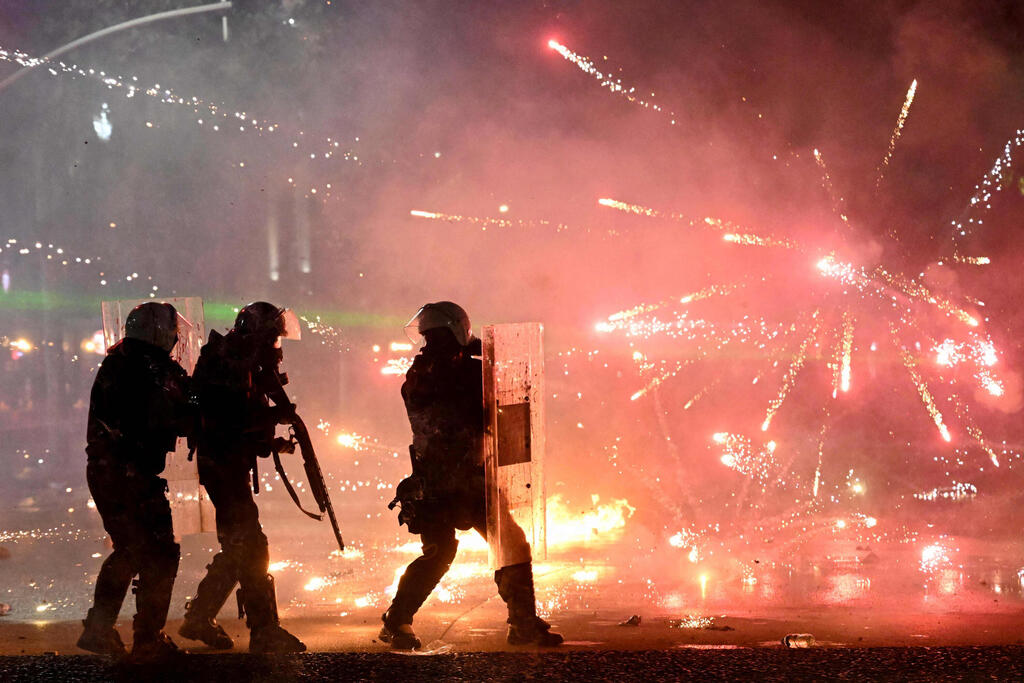
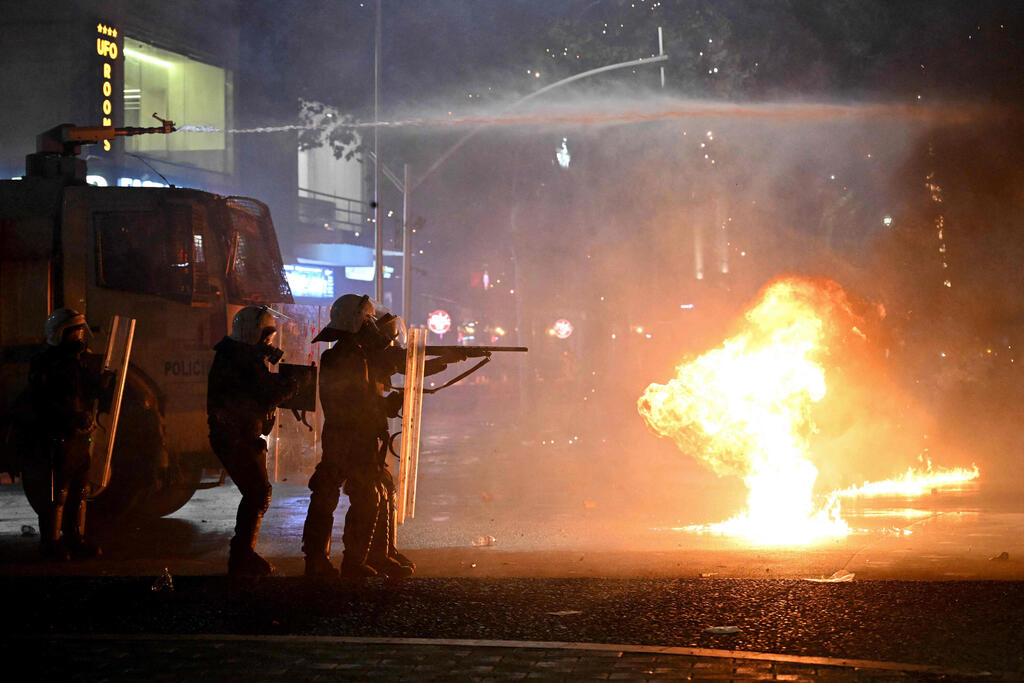
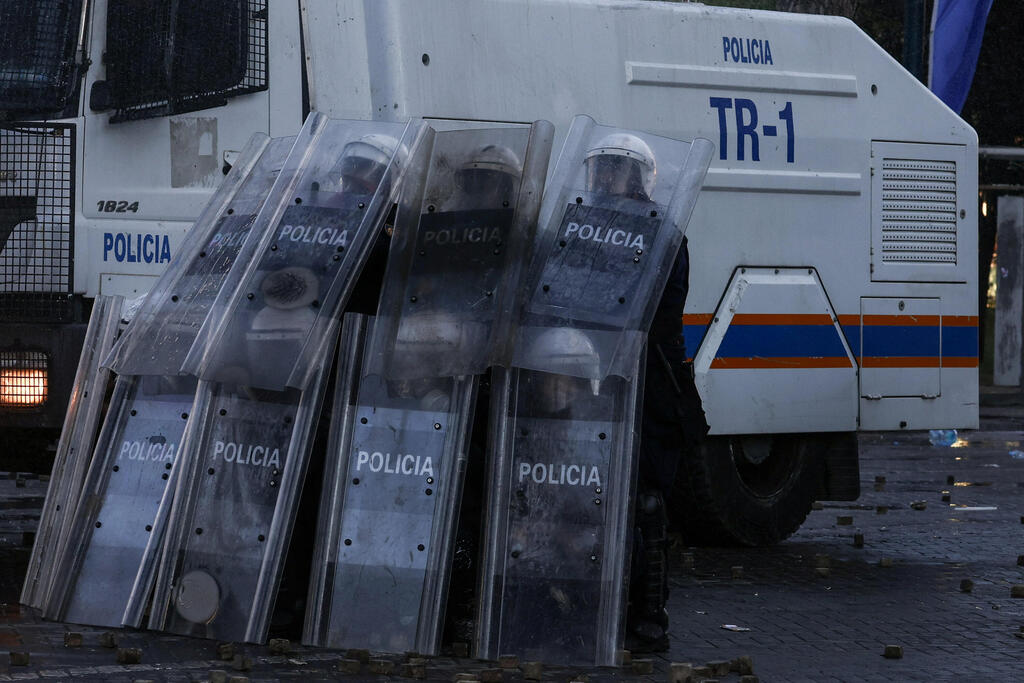
Violence flared again Sunday when thousands gathered outside Albania's Education Ministry and hurled stones at police, who responded with tear gas, water cannons and rubber bullets. Protesters later dispersed across the city center, where clashes continued for several hours. Demonstrators set trash bins ablaze, smashed windows, including at the headquarters of the ruling Socialist Party, and set fire to a police station and the entrance to the Interior Ministry. Since the riots began last Tuesday, 272 people have been injured, including 169 police officers, and charges have been filed against 388 people.
Responding to the protests Sunday, Rama warned that the violence would harm neither him nor his government but rather Albania's prospects of joining the European Union, a process in which the country has made significant progress.
"I am not being challenged, the government is not being challenged, a government majority or a winning party in the elections is not being challenged but a path is being challenged, a mission is being challenged," Rama said. "Albanians need to think very clearly: Do they want this, do they want that, or do they want the European Union?"
(Photo: Armend NIMANI / AFP)
(Photo: Armend NIMANI / AFP)
(Photo: REUTERS/Florion Goga)
(Photo: REUTERS/Louisa Gouliamaki)
As on previous days, Rama again accused groups serving foreign interests, which he did not identify, of being behind the protests. He also referred to what he described as an attempted drone attack on his office last week. Rama claims that an attack involving an explosives-laden drone intended to strike the prime minister's office and set fire to an inner courtyard containing a wooden structure was thwarted several days ago.
Rama did not identify those allegedly responsible for the attempted attack but blamed foreign actors. On Friday, he said the protest movement was "not a student phenomenon" and that "foreign hands that do not want Albania to be peaceful" were operating behind the scenes. His claims have not been independently verified, and neither police nor security officials have released details about the circumstances surrounding the alleged thwarted attack.
The European Commission, the EU's executive arm, has condemned the violence in Tirana and other Albanian cities in recent days. In a statement issued over the weekend, the Commission stressed that the authorities' response must remain proportionate.
"In a candidate country firmly committed to the EU accession process and making important progress on its EU path, grievances should be handled through constructive dialogue and in a peaceful manner," the statement said.
Alongside Montenegro, Albania is among the leading Balkan countries seeking EU membership and aims to join the bloc by 2030.
(Photo: REUTERS/Florion Goga)
(Photo: AP Photo/Hameraldi Agolli)
One of the key requirements for EU membership is a determined fight against corruption. Corruption scandals have repeatedly tarnished Albania's reputation, and analysts say the country has become a hub for criminal gangs seeking to launder proceeds from drug and arms trafficking. Rama, however, insists that his government is fighting corruption more aggressively than ever before.