

At least 39 people were killed Wednesday morning when two high-speed trains collided in central Spain, according to Castilla-La Mancha emergency services cited by Spanish broadcaster Antena 3. The collision, involving trains operated by Renfe and Iryo, left numerous passengers injured, with emergency crews searching damaged carriages and authorities warning that the casualty figures remained preliminary.
The crash occurred at approximately 8:54 a.m. near Urda, in Toledo province, between the towns of Mora, Orgaz and Los Yébenes. Preliminary findings indicate that a Renfe AVE train traveling from Madrid toward Seville struck the rear of an Iryo train that had stopped on the same track. Several carriages derailed, including two that plunged down an embankment.
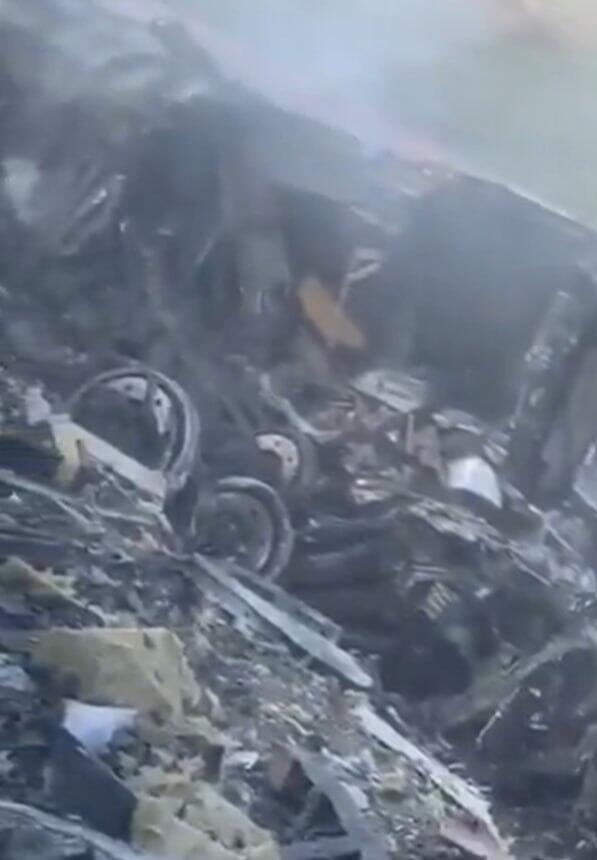
At least 39 killed as two high-speed trains collide in Spain
Spain's Civil Guard reported that at least four carriages had overturned, while emergency personnel worked to rescue passengers trapped inside the wreckage. According to La Vanguardia, 397 passengers were aboard the Renfe train and another 146 were traveling on the Iryo service. The full number of injured passengers had not yet been established.
Investigators examine possible signaling failure
Spanish radio network Cadena SER, citing government sources, reported that the Iryo train had been stationary on the track when the Renfe train was allowed to continue despite a red signal. The circumstances surrounding that authorization remain unclear, and investigators have not determined the cause of the collision.
The accident triggered a major emergency response, with firefighters from Alcázar de San Juan and Orgaz, Civil Protection teams, three medical helicopters and mobile intensive care units deployed to the scene. The regional government activated its territorial emergency plan, while Renfe launched its assistance program for victims of railway accidents and their families.
One passenger described the impact as extraordinarily violent, telling Spanish media that people were thrown through the carriages. Another witness reported seeing injured passengers and emergency workers attempting to recover people trapped beneath the wreckage.
Following the collision, rail infrastructure operator Adif suspended high-speed services between Madrid and Andalusia in both directions, including connections through Ciudad Real. Renfe announced that passengers affected by the disruption would be offered free ticket changes and cancellations.
Sánchez suspends agenda as Spain faces another railway tragedy
Spanish Prime Minister Pedro Sánchez expressed shock over the disaster and said he was in constant contact with Transport Minister Óscar Puente and Castilla-La Mancha regional President Emiliano García-Page. Sánchez said emergency services were working to assist the victims and their families.
García-Page headed toward the accident site and suspended his official schedule, while Puente traveled to the rail control center at Madrid's Atocha station. Major political parties also canceled campaign activities ahead of Spain's November general election. Emergency services in Madrid established a psychological assistance point at Atocha for relatives of passengers involved in the crash.
The disaster comes nine months after a January 18 collision near Adamuz, in southern Spain's Córdoba province, which ultimately killed 46 people. That accident occurred when an Iryo train derailed and struck another train traveling in the opposite direction, becoming Spain's deadliest railway disaster since 2013, when 80 people died near Santiago de Compostela.
The January tragedy raised serious questions about railway infrastructure and safety in Spain, which operates Europe's largest high-speed rail network and the world's second-largest after China. The network extends more than 1,900 miles (3,100 kilometers), with trains capable of exceeding 155 mph (250 kph).
Wednesday's collision has renewed scrutiny of the system, particularly the signaling and safety procedures designed to prevent trains from occupying the same section of track. With rescue operations continuing, investigators will now seek to determine why the Iryo train was stopped and how the approaching Renfe service was permitted to continue.