

A U.S. destroyer interdicted two oil tankers attempting to leave Iran on Tuesday, a day after U.S. President Donald Trump's blockade went into effect, and instructed them to turn around, a U.S. official said, speaking on condition of anonymity.
The ships had left Chabahar port on the Gulf of Oman and were contacted by the warship via radio communication, the official said. It was unclear whether any further warnings were given.
The disclosure adds further detail to the start of Trump's blockade, which aims to pressure Iran to end its effective closure of the Strait of Hormuz, a choke point for about 20% of the world's oil.
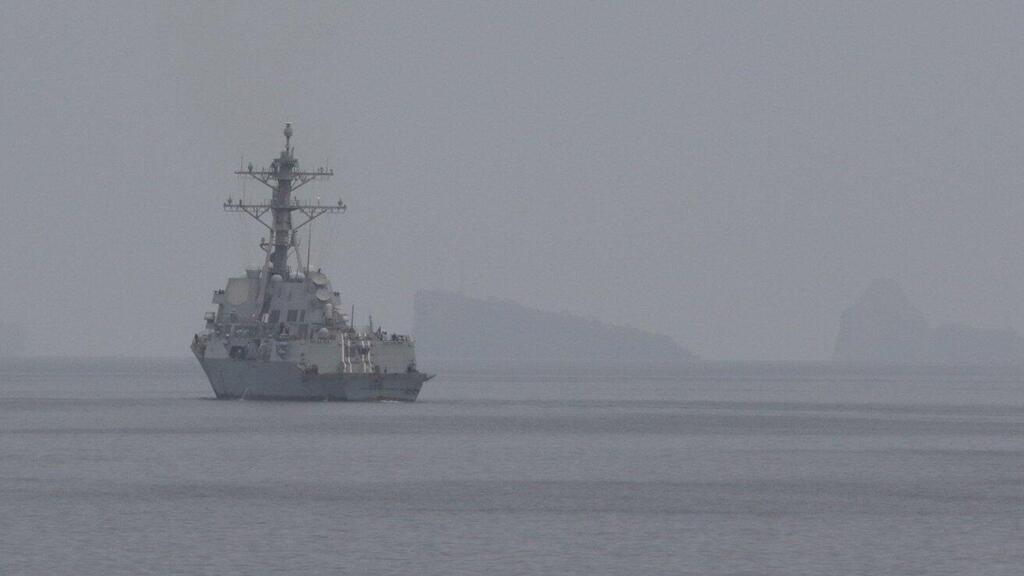
Trump is hoping the blockade will force Iran to accept America's terms for ending a war launched by the U.S. and Israel on February 28, including opening up the Strait of Hormuz. Trump says that was also a condition of a week-old ceasefire with Iran due to expire next week.
Experts are cautious. Noam Raydan at The Washington Institute for Near East Policy said tracking data did show one tanker making a U-turn after the start of the blockade but cautioned that a lot of ships working with Iranian oil go dark.
"We just don't know yet how effective it is. We are still in day two," Raydan said.
The U.S. official said the two tankers were among the six merchant vessels the U.S. Central Command said in a statement earlier on Tuesday had followed orders to "turn around to re-enter an Iranian port on the Gulf of Oman."
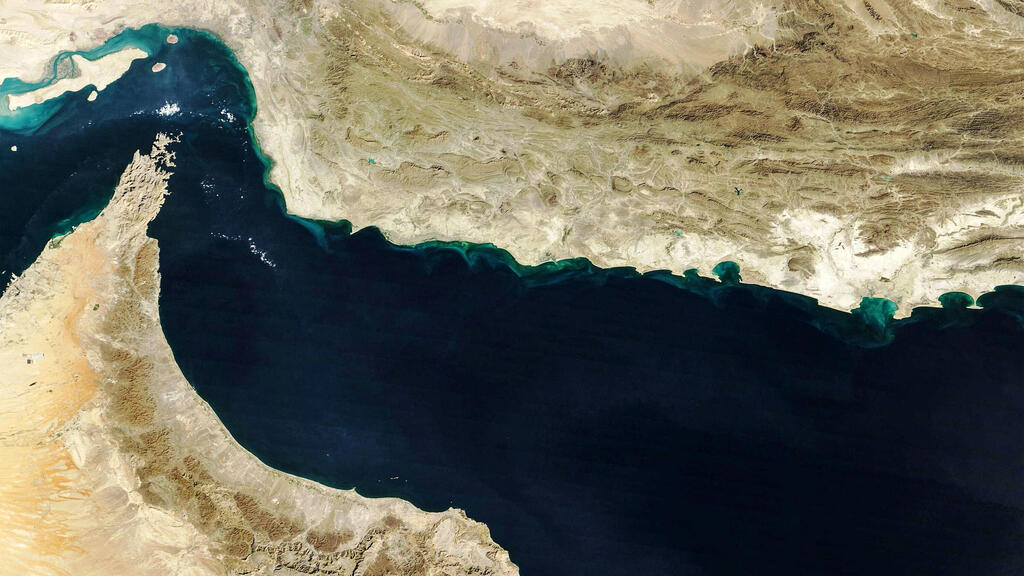
The Strait of Hormuz: President Trump is hoping the blockade will force Iran to accept America's terms for ending the war
(Photo: NASA/AFP )
Central Command said no ships have made it past the blockade since it went into effect on Monday at 10 a.m. in Washington.
More than 10,000 troops
The blockade is a massive undertaking involving more than 10,000 U.S. forces, over a dozen warships and dozens of aircraft, the U.S. military says.
The U.S. military says it will support freedom of navigation for vessels transiting the Strait of Hormuz, as long as they are not going to or from Iran.
Trump announced the blockade following the breakdown of weekend talks to end the war. Oil prices jumped back above $100 a barrel before easing on Tuesday on hopes of further talks.
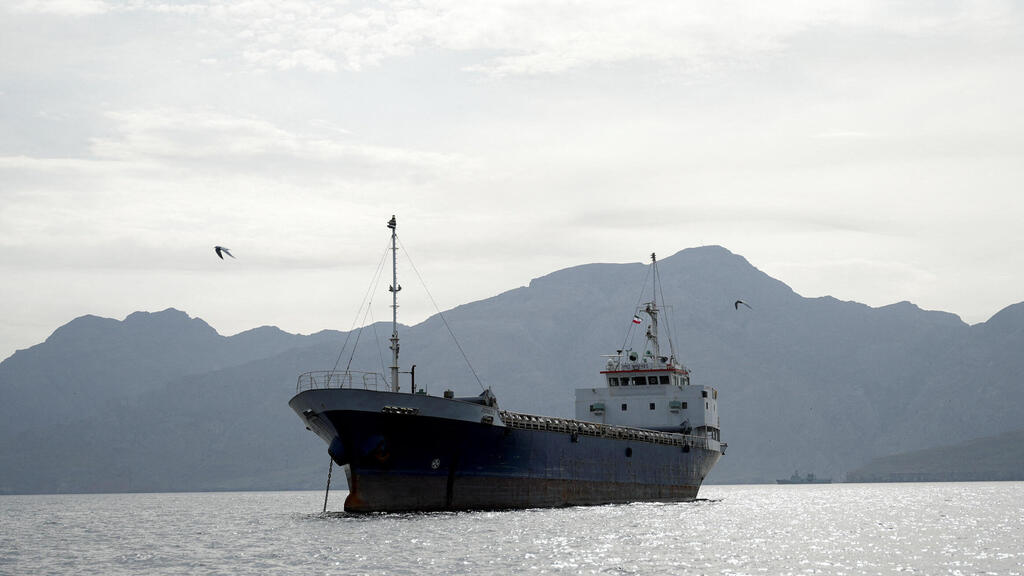
Vessel in the Strait of Hormuz, off the coast of Musandam Governorate in Oman
(Photo: Stringer/Reuters)
If Trump's strategy succeeds, he would eliminate Iran's greatest point of leverage in negotiations with the U.S. and clear the strait again for global trade. But a blockade, experts say, is an act of war that requires an open-ended commitment of a significant number of warships.
It could also trigger fresh retaliation from Tehran and put tremendous strain on an already fragile ceasefire.
Iran's threats to shipping have caused global oil prices to skyrocket about 50%. Roughly 5,000 people have died in the hostilities.
Thousands of U.S. military strikes have severely weakened Iran's military. But analysts say Tehran has emerged from the conflict as a vexing problem for Washington, with a more hard-line leadership and a buried stockpile of highly enriched uranium.
Raydan said to expect likely Iranian retaliation if the blockade succeeds and lasts for an extended period, noting Iranian threats to strike Gulf states that host U.S. forces and Iran's past attacks on ships.
"We're in the testing period," Raydan said.