


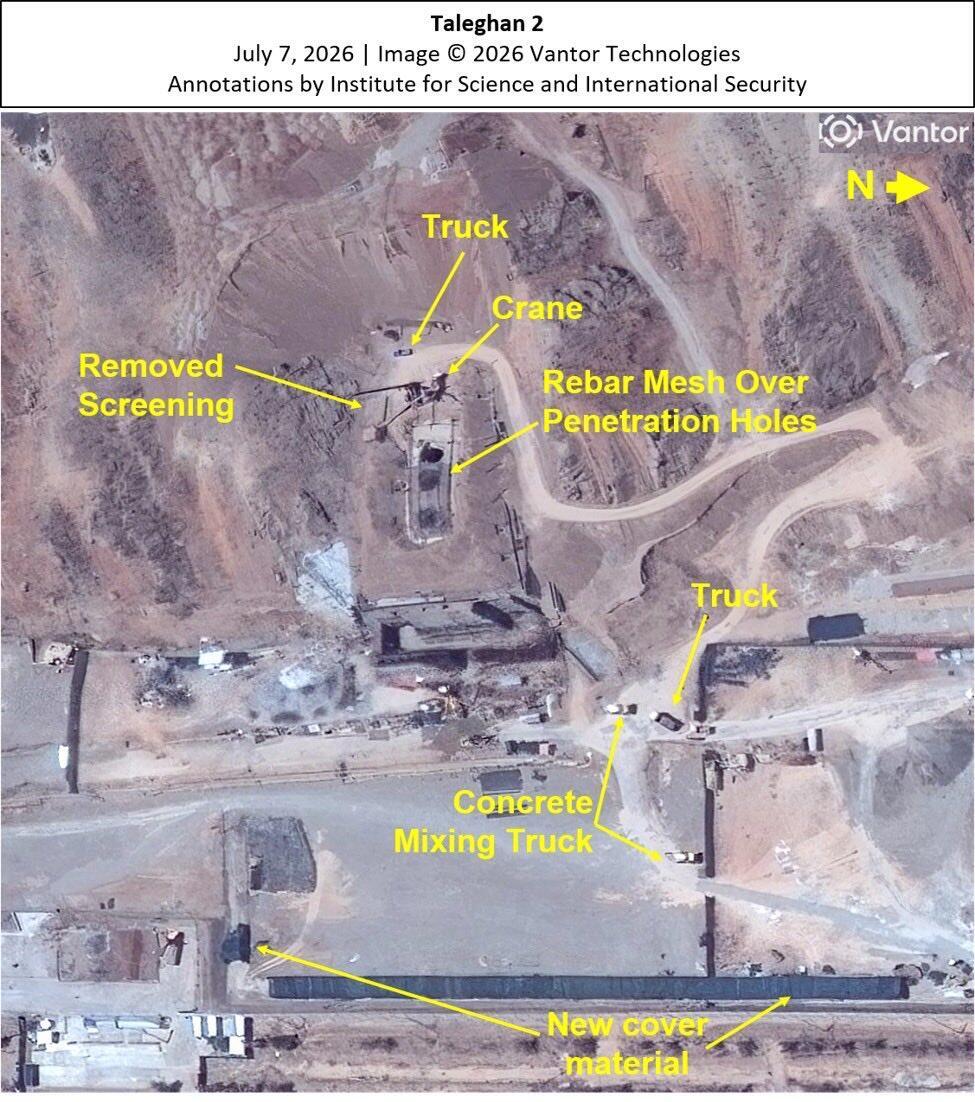
CNN published exclusive satellite images Friday showing that Iran is rebuilding Taleghan 2, a suspected nuclear weapons research facility inside the Parchin military complex southeast of Tehran, despite an agreement with the United States requiring it to maintain the status quo across its nuclear program.
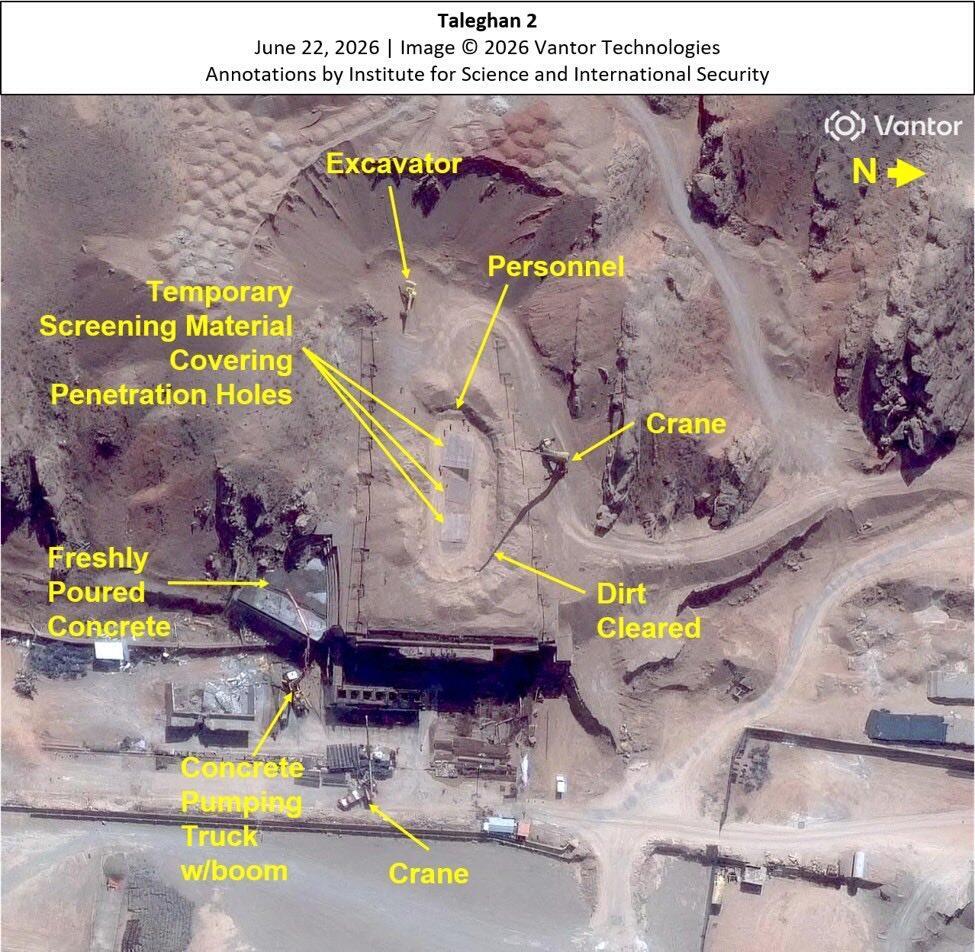
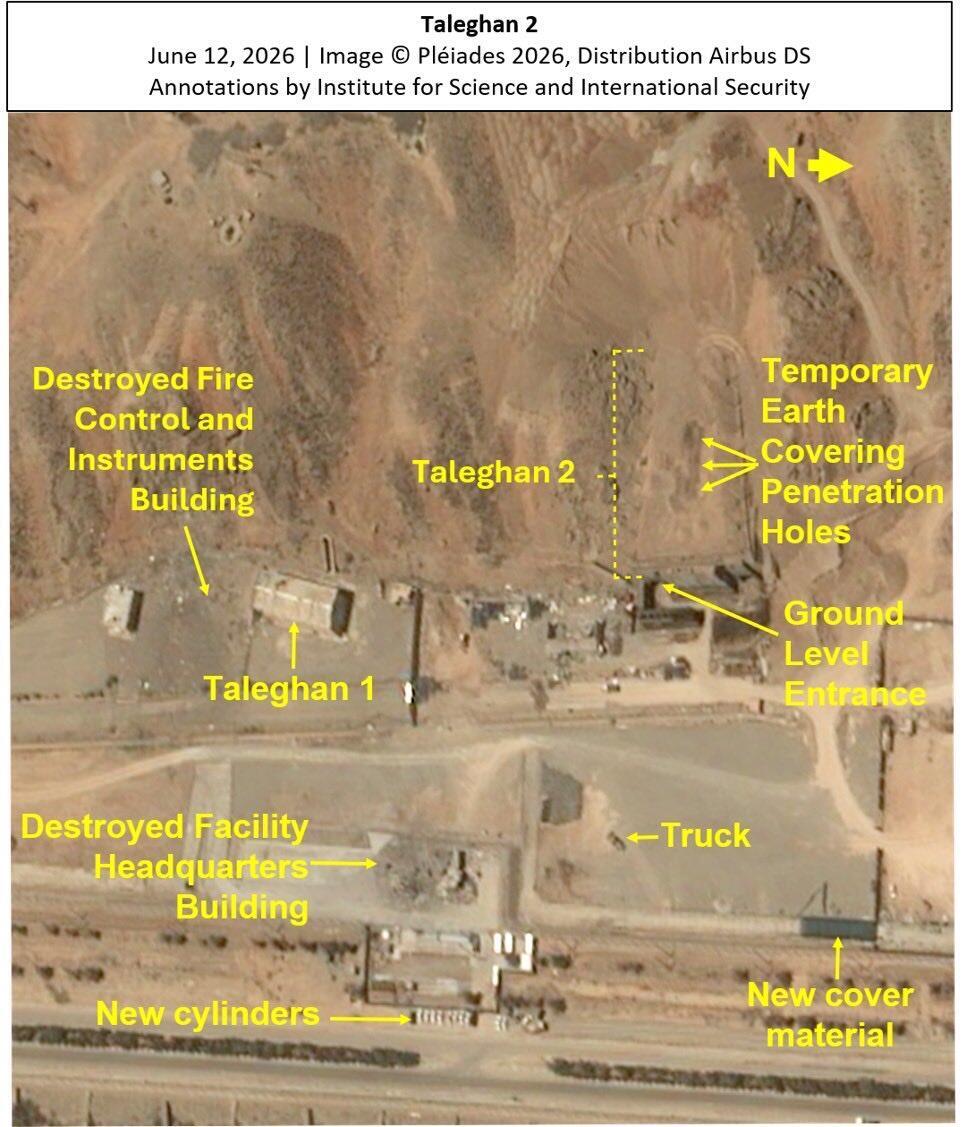
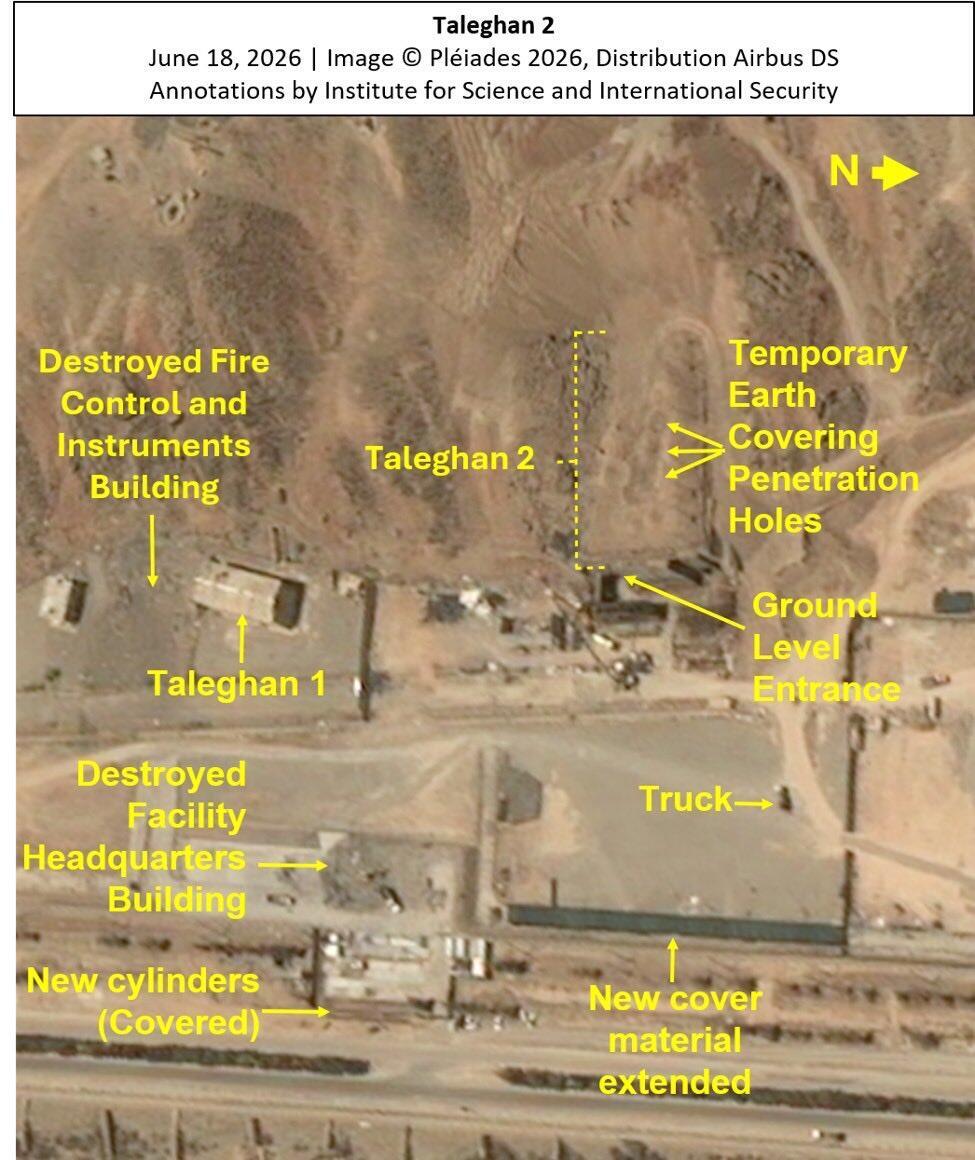
The Washington-based Institute for Science and International Security, which monitors Iran’s nuclear activities, analyzed the images alongside additional satellite photography and found what it described as “significant” work to repair and reinforce the site.
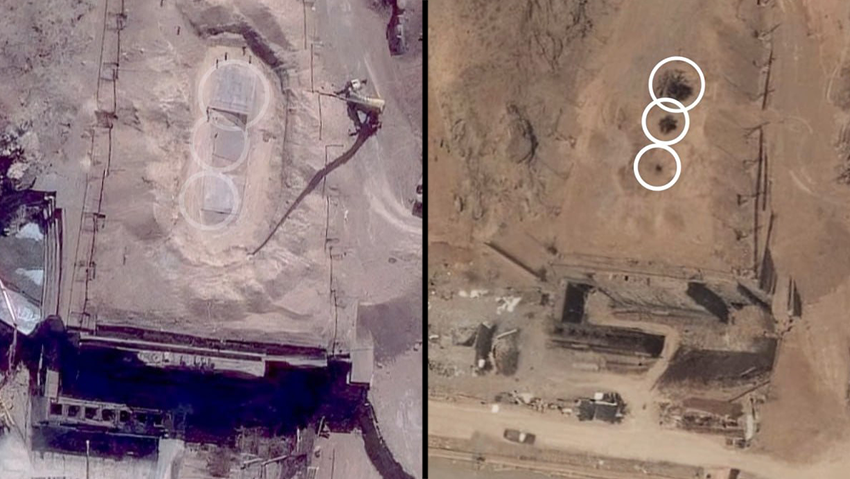
The institute said images from early June showed Iranian crews assessing the damage, clearing debris and temporarily covering three impact holes. Newer images indicate work to seal the holes more permanently and improve the facility’s protection. “Significant activity is visible, indicating an Iranian commitment to repair and restore the site,” the analysis said.
The activity could constitute a breach of the memorandum of understanding reached between Washington and Tehran in June. Under the interim framework, Iran reaffirmed that it would not obtain or develop a nuclear weapon and agreed not to advance its nuclear program during a 60-day period intended to produce a final agreement. The United States, in turn, made commitments that included refraining from imposing new sanctions during the negotiations.
Israel struck Taleghan 2 in October 2024 and again in March 2026. Israeli officials have said the facility was used to develop advanced explosives and conduct sensitive experiments associated with Project Amad, Iran’s secret nuclear weapons program during the early 2000s. Taleghan 2 is located within Parchin, one of Iran’s largest and most sensitive military-industrial complexes, where the country produces and stores warheads, missile engines and other weapons systems.
(Photo: ISIS)
(Photo: ISIS)
(Photo: ISIS)
(Photo: ISIS)
The new images follow a separate warning by the Institute for Science and International Security about continued construction at an unmonitored underground complex in Iran’s Zagros Mountains. The site, commonly known as Pickaxe Mountain, has not been inspected by the International Atomic Energy Agency, the United Nations’ nuclear watchdog.
Satellite images from late June showed vehicle traffic on roads leading to the underground complex’s western tunnel entrances, suggesting that work inside the tunnels and efforts to reinforce their entrances were continuing, according to the institute. It said the U.S.-Iran memorandum’s requirement to preserve the nuclear status quo should prohibit new construction at any nuclear-related facility, including Pickaxe Mountain.
While work has continued at Taleghan 2 and Pickaxe Mountain, the institute reported no unusual activity at Iran’s three best-known nuclear facilities: Natanz, Isfahan and Fordow. Those sites were bombed by the United States on the final day of the 2025 Israel-Iran war.
At Natanz, one of Iran’s principal uranium-enrichment centers, the institute said access routes to the underground enrichment halls had not been restored. Employee entrances remained destroyed, vehicle entrances were still badly damaged and only one vehicle was visible near the pilot fuel-enrichment plant, which was destroyed in June 2025 and later covered by Iran.
No activity had been detected at Isfahan as of June 29, and the tunnel entrances there remained buried under soil. At Fordow, an underground enrichment facility built into a mountain near the city of Qom, Iran had added earth-and-rock barriers and other objects along the roads leading to the tunnels between May 10 and May 18.
The objects created a series of sharp turns rather than completely blocking the roads, suggesting that they were intended to slow vehicles entering or leaving the site. Satellite imagery from June 21 showed that the barriers remained in place and that Fordow’s tunnel entrances were still covered with earth.