

The U.S. military has lost at least 45 MQ-9 Reaper drones during the war with Iran, eliminating roughly a quarter of its fleet and potentially costing taxpayers more than $1.3 billion, according to a Washington Post report citing three U.S. officials familiar with Pentagon data.
The losses underscore the growing strain the conflict is placing on American weapons inventories after months of intensive combat operations and years of military aid to Ukraine.
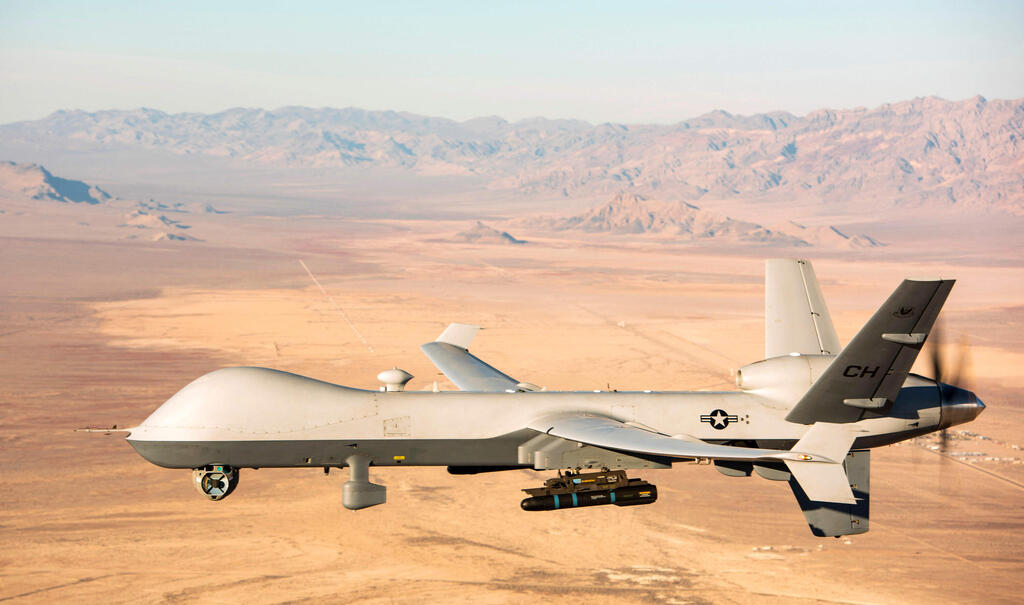
MQ-9 Reaper drone
(Photo: AFP PHOTO /US AIR FORCE)
Before the war began, the U.S. military operated about 185 Reapers, including 165 in the Air Force and 20 in the Marine Corps, according to public budget figures cited by the Post. The total does not include aircraft operated by U.S. intelligence agencies. None of the Marine Corps Reapers, which are deployed primarily in the Asia-Pacific region, have been lost, a spokesman told the newspaper.
The MQ-9 is used for surveillance and precision strikes and costs between $30 million and $50 million depending on its sensors and weapons.
The drones have been used extensively around the Strait of Hormuz, which has emerged as one of the central flashpoints of the conflict with Iran. Their relatively slow speed and low-altitude operating profile, however, have made them vulnerable to Iranian forces and Tehran-backed groups in Yemen and Iraq.
Not all of the aircraft were shot down. A fourth U.S. official told the Post that an unspecified number crashed after operators lost communications links with them.
The scale of the losses had already begun alarming Pentagon officials by May, when Lt. Gen. David Tabor told senators that the remaining Reaper fleet had fallen to about 135 aircraft and said he was “concerned” about the attrition. The Air Force was examining ways to replenish the fleet more quickly.
The Reaper losses come as the Pentagon faces pressure on several other major weapons systems. During the first month of the Iran war, U.S. forces fired more than 850 Tomahawk cruise missiles and more than 1,000 Patriot and THAAD air-defense interceptors, the Post previously reported.
Those expenditures have forced commanders to conserve some interceptors and adjust defensive tactics. The Pentagon has publicly rejected reports that its stockpiles are running dangerously low, while the Trump administration has asked Congress for tens of billions of dollars to cover war costs and rebuild inventories.
The administration is seeking support for a $67 billion supplemental package for the Iran war. Defense Secretary Pete Hegseth has estimated that the conflict will cost $37.5 billion through the end of September, excluding the expense of rebuilding U.S. bases damaged by Iranian strikes.
Replacing some of the depleted weapons could take years. An American Enterprise Institute analysis cited by the Post found that the Pentagon’s desired production levels for THAAD interceptors far exceed current manufacturing capacity. At the present maximum output of 96 interceptors a year, fulfilling the Pentagon’s planned purchases would take decades.
The Pentagon is meanwhile phasing out the General Atomics-made Reaper and plans eventually to replace it with cheaper armed surveillance drones designed to operate in larger numbers.
The combination of drone losses, missile consumption and slow production timelines highlights a growing challenge for Washington: sustaining the campaign against Iran while rebuilding an arsenal already stretched by years of support for Ukraine.