

More than three decades after one of Latin America’s deadliest antisemitic terror attacks, Venezuelan authorities have arrested a suspect accused of helping orchestrate the 1994 bombing of a Panamanian passenger plane that killed 21 people, including 12 members of the country’s Jewish community.
Ali Hage Zaki Jalil, a Venezuelan citizen of Lebanese descent, was detained on Margarita Island in the state of Nueva Esparta in a coordinated operation involving Venezuelan law enforcement, Interpol, and international intelligence agencies. The arrest follows years of stalled investigations into the explosion of Alas Chiricanas Flight 901 on July 19, 1994.
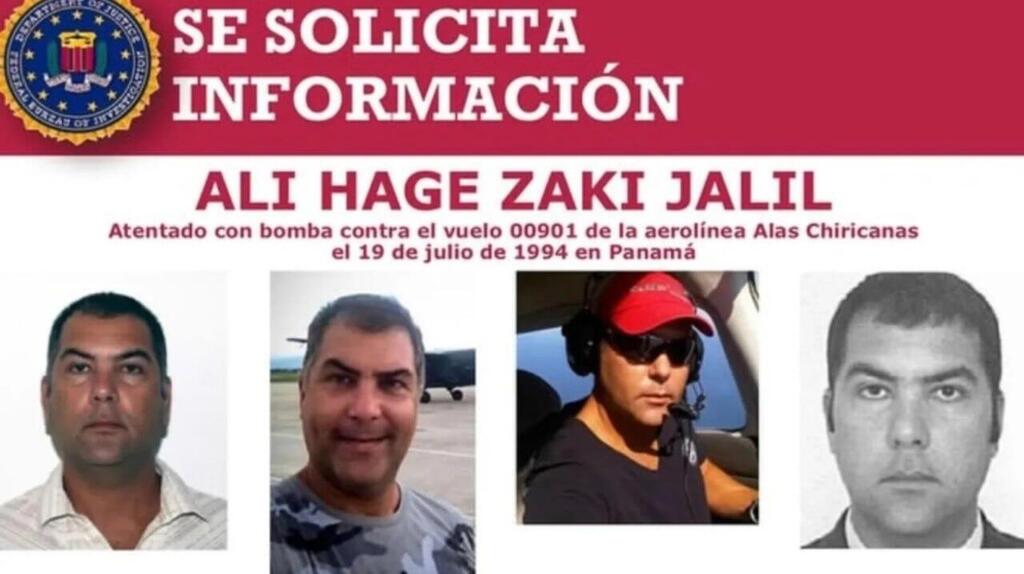
According to officials, Jalil allegedly managed logistics and transportation for the terrorists who carried out the attack. He is expected to face charges of premeditated murder and crimes against state security. Panama has formally requested his extradition.
A coordinated terror wave
The small twin-engine Embraer EMB-110 was en route from Colón to Panama City when it exploded midair, killing all 18 passengers and three crew members aboard. Investigators concluded that a suicide bomber detonated explosives concealed inside a portable radio.
A Panamanian government report later identified the bomber as Hamas operative Ali Jamal, who had boarded the flight carrying a bomb-laden suitcase. The attack occurred just one day after the bombing of the AMIA Jewish community center in Buenos Aires, which killed 85 people. Intelligence agencies long suspected the two attacks were part of a coordinated Hezbollah campaign targeting Jewish and Israeli interests across Latin America.
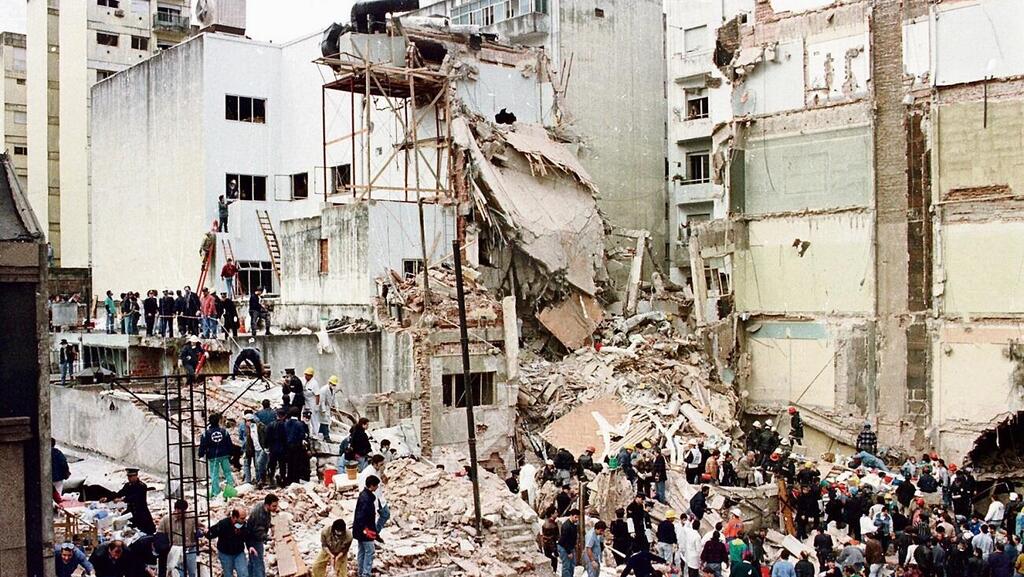
The AMIA building after the 1994 bombing
(Photo: Reuters)
A case reopened
For years, the investigation into Flight 901 languished due to political instability and lack of international cooperation. The case was reopened in 2017 after new forensic and intelligence findings linked suspects in Venezuela and Lebanon to the attack.
In 2024, the U.S. State Department offered a $5 million reward for information leading to those responsible. Working with Israeli and American intelligence, Panamanian security services gradually traced leads that pointed to Jalil, who had lived quietly for years under multiple aliases.
‘Living quietly under false names’
Officials said Jalil had been residing on Margarita Island, using false identities and protected by local networks sympathetic to Hezbollah-linked groups. Venezuela’s Interior Ministry confirmed his arrest, stating he would remain in custody pending extradition proceedings.
Panamanian prosecutors said they would formally seek his extradition in the coming days. While Venezuelan authorities have not commented on their cooperation, reports suggest the arrest was carried out with direct assistance from Interpol and the FBI. If extradited and convicted, Jalil faces a life sentence under Panamanian law.
The 1994 Panama bombing remains one of the deadliest antisemitic terror attacks in Central America. It is remembered as part of a wave of coordinated violence against Jewish and Israeli targets in the early 1990s.
A classified 1995 Panamanian intelligence report cited “operational similarities” between the Panama and Buenos Aires bombings, including the use of suicide attackers, identical explosive materials, and links to Lebanese nationals operating in Venezuela and Paraguay.
Authorities say more arrests may follow as investigators pursue members of the wider network believed to have planned the attack.