

As the Iran war extends into its fourth week, thousands of Israeli families displaced by missile strikes and left scrambling for shelter, basic supplies and long-term housing have created a new kind of humanitarian challenge on the home front, stretching local authorities already under heavy strain.
Into that gap stepped JDC Israel, an organization traditionally focused on developing social services with the government, which after the Oct. 7 attacks set up a dedicated emergency unit to help affected families and municipalities across the country.
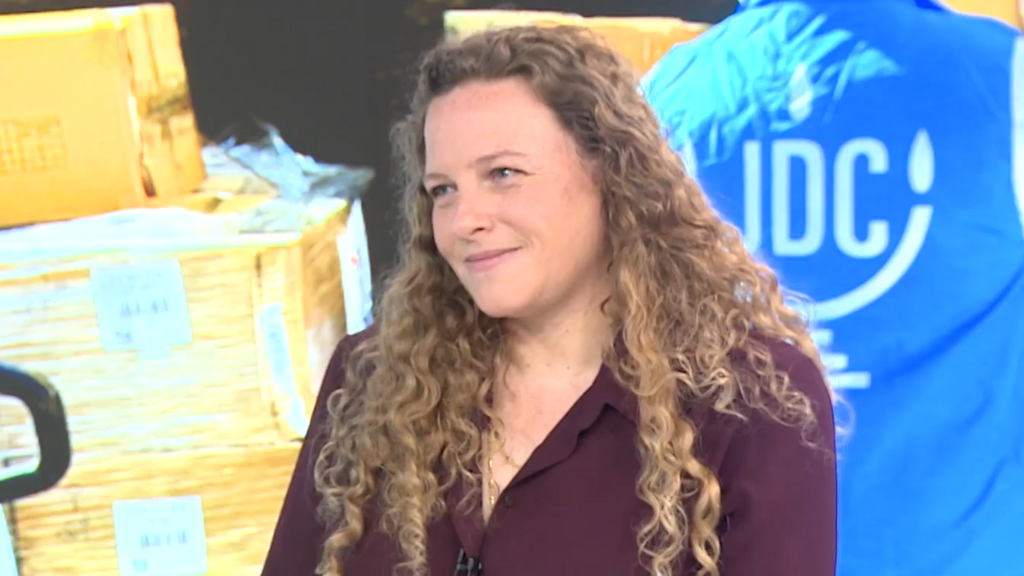
Avital Rosenberger, head of the emergency unit at JDC Israel sits down with ynet Global


“We realized that we might have a humanitarian role in Israel too,” Avital Rosenberger, head of the emergency unit at JDC Israel, told ynet Global in an interview. “So we established a special emergency unit that brings together the best practices from across our departments to make sure that even during crisis, no one is left behind.”
Local municipalities, she explained, remain the frontline for civilians, responsible for everything from education to welfare — but the scale of destruction is often beyond their capacity. “What we provide is a package,” Rosenberger said. “Not only what they need now, but also what they will need in weeks and months. We help build their capacity so that recovery and future resilience, is possible.”
That support begins within hours of a strike. When a home is hit, families often emerge from shelters to find everything gone, clothing, medication, personal belongings and memories. “Losing a house is a life-changing trauma,” she said.
“People sometimes come out barefoot, with nothing in their hands.” JDC coordinates immediately with municipal leaders to deliver essential supplies and establish what Rosenberger describes as a “circle of support,” combining physical aid with emotional and logistical assistance.
Beyond emergency aid
The response extends far beyond the first 48 hours. Rosenberger outlined a four-part model deployed through municipalities: basic supplies, flexible emergency funding, community workers to identify and track needs, and medical support systems. Equally critical is helping families navigate bureaucracy and long-term displacement, a process that can overwhelm even those not already vulnerable.
“In these fragile moments, people face mountains of bureaucracy,” she said. “For many, especially vulnerable populations, it’s almost impossible to recover without support.”
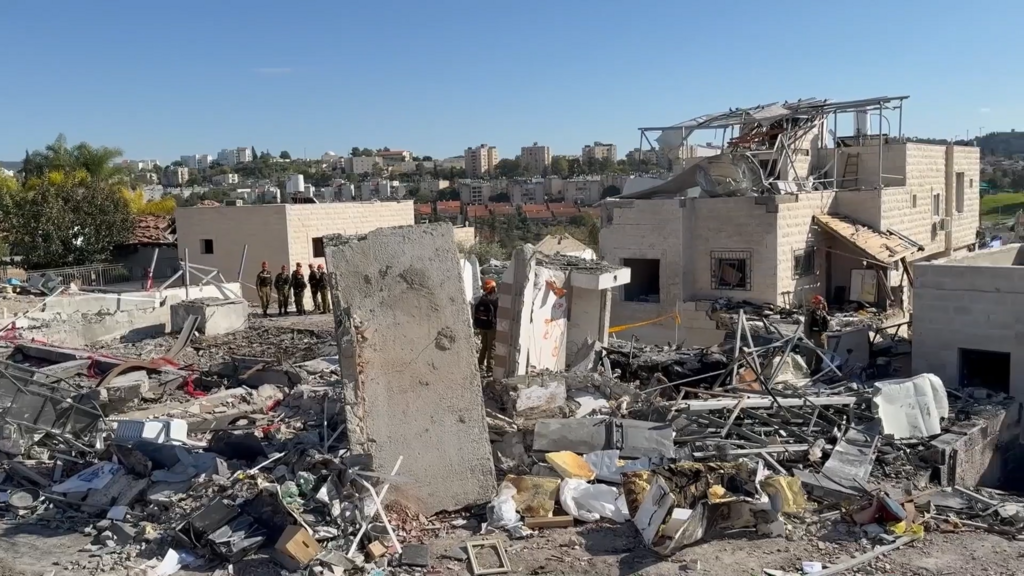
'Families often emerge from shelters to find everything gone'
One of the newer initiatives, developed during the current conflict, focuses on relocating displaced families from temporary hotel accommodations into permanent, suitable housing. The program, called “Bayit” (home), accompanies individuals step by step, from paperwork to emotional recovery, until they are fully resettled.
“People became refugees in their own cities,” Rosenberger said. “We realized hotels are not a long-term solution, especially for seniors, families with children, and people with disabilities.”
Rosenberger described encounters that underscore both the scale of the crisis and its deeply personal toll. In Beit Shemesh, she met a mother of four who lost her husband when a missile struck moments after he stayed behind to ensure others reached shelter safely.
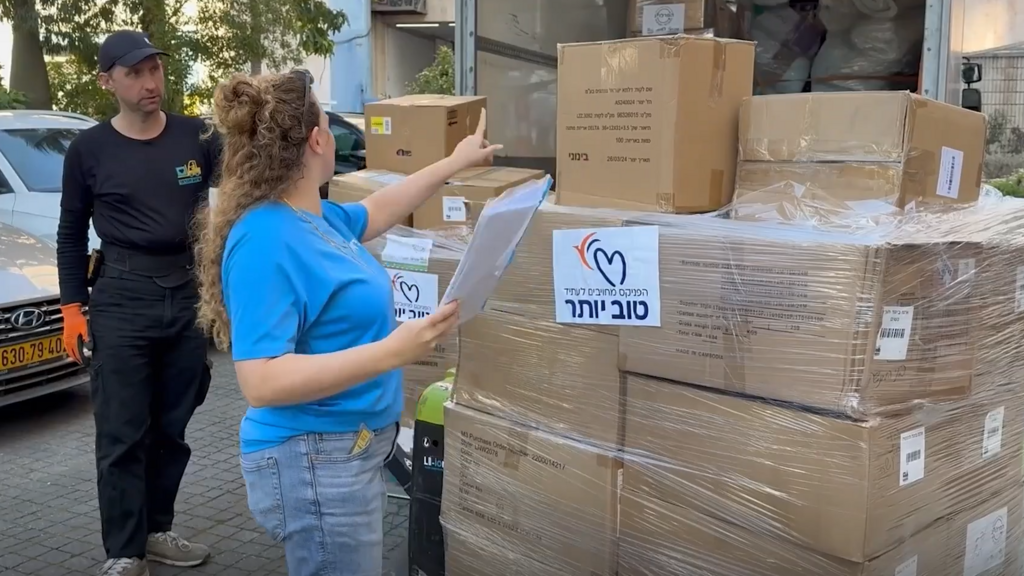
Rosenberger: 'She told me her dream was simply to have her bed back — so we brought her one'
“She told us, ‘He was taking care of everyone. I don’t have a place to lean on now,’” Rosenberger said. In another case, a young yoga instructor displaced twice by missile strikes struggled to rebuild her life after severe trauma. Through sustained support, including therapy, housing assistance and employment help, she eventually returned to stability. “She told me her dream was simply to have her bed back,” Rosenberger said. “We brought her one. It sounds small, but for her, it meant everything.”
A nationwide frontline
According to Rosenberger, one of the defining features of the current crisis is its scale. “All of Israel is a frontline,” she said. “This can happen to each and every one of us.”
Despite the devastation, she expressed cautious optimism. With the right support systems in place, she said, recovery is possible, even if gradual. “If we stay with people and do the right things,” she said, “life can get better in the months ahead.”
For now, as missile fire continues and families grapple with loss and uncertainty, organizations like JDC remain focused on one goal: ensuring that no one faces the aftermath alone.