

Israeli civil rights group Shurat HaDin has urged U.S. Secretary of State Marco Rubio to intervene against Ireland’s newly approved Israeli Settlements (Prohibition of Importation of Goods) Bill 2026, calling the measure discriminatory and a form of “economic warfare” against Israel.
The bill would criminalize the import of goods produced by West Bank Jewish settlements, including east Jerusalem. Shurat HaDin said Ireland has not imposed similar restrictions on goods from other disputed territories, including Northern Cyprus, Western Sahara, Tibet or Russian-controlled areas.

“If Ireland’s true legal principle were opposition to commerce from occupied or disputed territories, consistency would require universal application. Instead, Ireland has chosen selective enforcement against the world’s only Jewish state,” the group wrote in its letter.
Irish Foreign Minister Helen McEntee said last week she hoped to pass the law in tandem with Belgium, the Netherlands and possibly Slovenia, which have also committed to introducing bans. Spain has already introduced similar curbs, the only European Union member to do so so far.
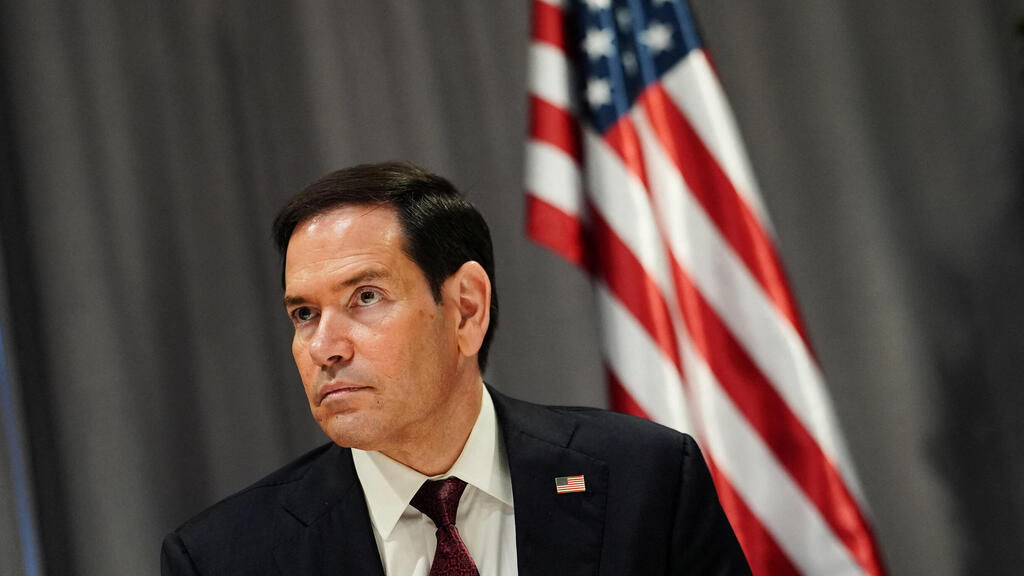
US Secretary of State Marco Rubio
(Photo: Julia Demaree Nikhinson/Pool via REUTERS)
Shurat HaDin President Nitsana Darshan-Leitner said the legislation gives legitimacy to anti-Israel boycott campaigns.
“When a European government singles out Jewish commerce from historically Jewish lands for criminalization while ignoring every other territorial dispute on earth, that is not policy — that is prejudice,” she said.

Shurat HaDin President Nitsana Darshan-Leitner
(Photo: Pavel Tolchinsky)
“Secretary Rubio must make clear to Dublin that the United States will not stand by while a democratic ally legitimizes economic warfare against the Jewish state. History has shown us where the selective exclusion of Jewish commerce leads. We cannot allow that road to be paved again, this time with legal euphemisms,” Darshan-Leitner also said.
The group also warned that the bill undermines the Oslo Accords by encouraging unilateral economic penalties instead of negotiated solutions. It called on the State Department to condemn the legislation, review whether it violates international trade norms and consider diplomatic and economic responses.
A similar letter was sent to the U.S. Senate Committee on Trade.