


Yesterday, 11-year-old Neta Senesh from town of Ben Ami, learned a lesson that no full day of school could erase. For her, it was another moment when her trust in adults broke — those who had promised just days earlier that the war was over and instructed her to return to school.
On Monday, as she rode a regional school bus operated by the Mateh Asher Regional Council on her way to school, a siren went off.
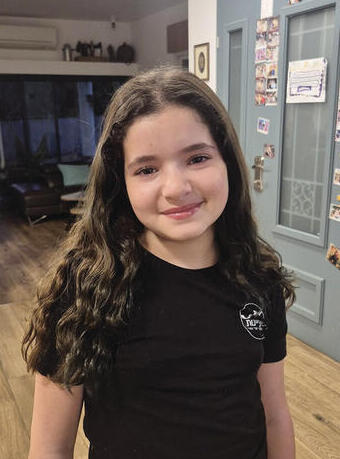
The incident occurred as the children traveled along an open road — one where Israel’s Iron Dome air defense system typically cannot intercept incoming threats. Neta and her classmates lay on the floor of the bus as Hezbollah drones passed overhead and interceptor debris filled the skies above the western Galilee.
Shaking, she called her father, Nitzan. “She asked me not to let this reality be permanent. I promised her I would do everything I can,” he said. “Those are unbearable circumstances. We're coming to accept that there's a ceasefire when there simply is no ceasefire.”
Neta, a sixth-grade student, remains deeply confused. “I thought a ceasefire looked different,” she said. “But in the morning we saw interceptions, and a drone hit near my school. I don’t understand why they send us to school when we are being under fire and could be hurt. I’m really scared.”
The morning’s tension was echoed in the experience of Mor Peretz from the northern town of Shlomi. After a week of what was described as a ceasefire, she gave in to teachers’ requests and sent her children to elementary school. By midday, she received a WhatsApp photo that left her stunned: her 9-year-old son, Yonatan, lying on the classroom floor alongside his classmates, his small hands shielding his head as explosive drones circled above the community near the border fence.
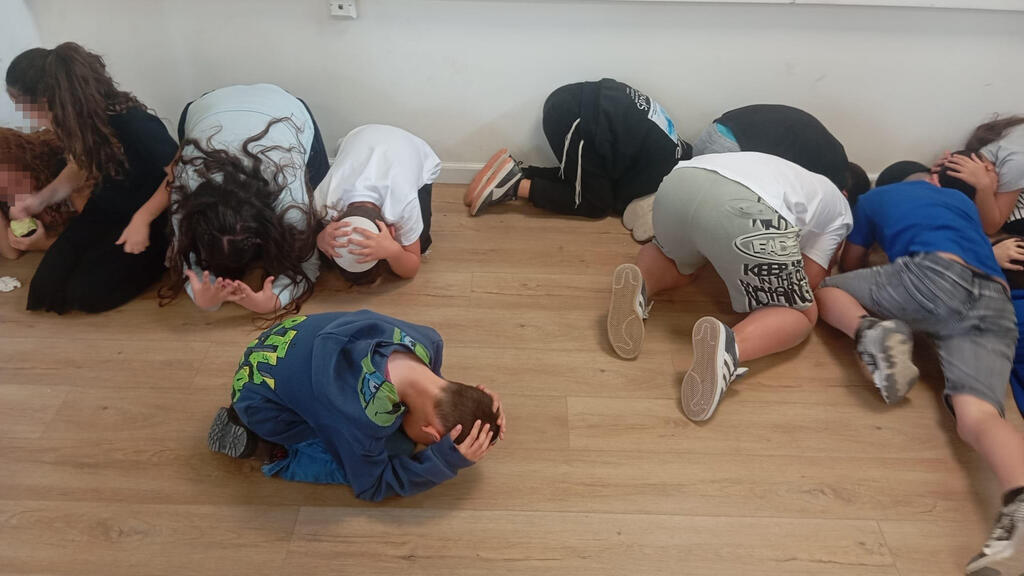
Students at a school in Shlomi
“I was shocked to see they didn’t even run to a protected space when the sirens sounded,” she said. “The distance from the classroom to the shelter is longer than the warning time we get here near the border, so they were told to lie next to the wall and protect their heads.”
When Yonatan returned home, he told her: “Mom, you promised me I was safe and that I could go to school. That’s not true.”
“It’s unreasonable that I, as a mother, have to choose between my children falling behind in school or risking their lives,” she added.
Yonatan is still shaken. “I was very scared,” he said. “I didn’t feel protected lying on the floor with my hands over my head. I prayed nothing would happen. For a long time I slept in the shelter and barely left the house so I wouldn’t have to lie on the floor somewhere unprotected during a siren — and, suddenly, at school it happened to me.”
The current situation in northern Israel is intensifying the emotional strain on children in the region. Shira Ohana, CEO of "Our Children’s Resilience", warned: “We are seeing very confused children, with very low levels of trust in adults. Their experience is that the war could resume tomorrow, and they are unable to reach a state conducive to learning when the emotional burden is so heavy. This is even more severe for teenagers, who face unrealistic expectations to take and succeed in exams like students elsewhere.”
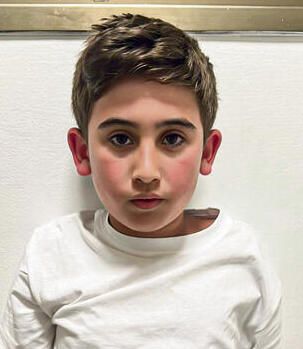
Jonathan Peretz
Nitzan Senesh, Neta’s father, continued working his avocado groves in Ben Ami even as sirens sounded. He called on the government to end what he described as a distorted equation in which Hezbollah violates the ceasefire while Israel refrains from responding.
“We are not complainers, and we are not speaking of defeat,” he said. “We planted a new plot during the barrages and we are not going anywhere. But every time children in the Galilee run to a safe room, a missile should hit a power station in Lebanon. Only then will they understand.”
In the Peretz household in Shlomi, decisions have already been made. On Tuesday morning, Mor kept her children at home. “It’s important to me that my children feel safe. I won’t force them to go school now just because the government decided so,” she said.
Local leaders from northern border communities held a tense press conference at the border fence in a town of Shtula, announcing what they called “security autonomy” — making independent decisions on protective measures, including whether to cancel school in communities near the border.
In practice, most schools are set to open Tuesday, but only some students are expected to attend. Others, whose parents fear for their safety, will remain at home near their safe rooms — widening educational gaps that have already grown over the past three years.