


Tech entrepreneur Oren Dobronsky has dropped out of Likud’s Knesset slate rather than give up his U.S. citizenship, abandoning a top-10 spot offered by Prime Minister Benjamin Netanyahu and opting instead for a potential role as a professional minister responsible for artificial intelligence.
Under Israeli law, Dobronsky would have been required to take steps to relinquish his U.S. citizenship before being sworn in as a member of Knesset. The decision could also have carried a significant financial cost because renouncing U.S. citizenship can trigger an “exit tax” for wealthy Americans with substantial assets. The citizenship issue had emerged in recent weeks as a major obstacle to his candidacy.
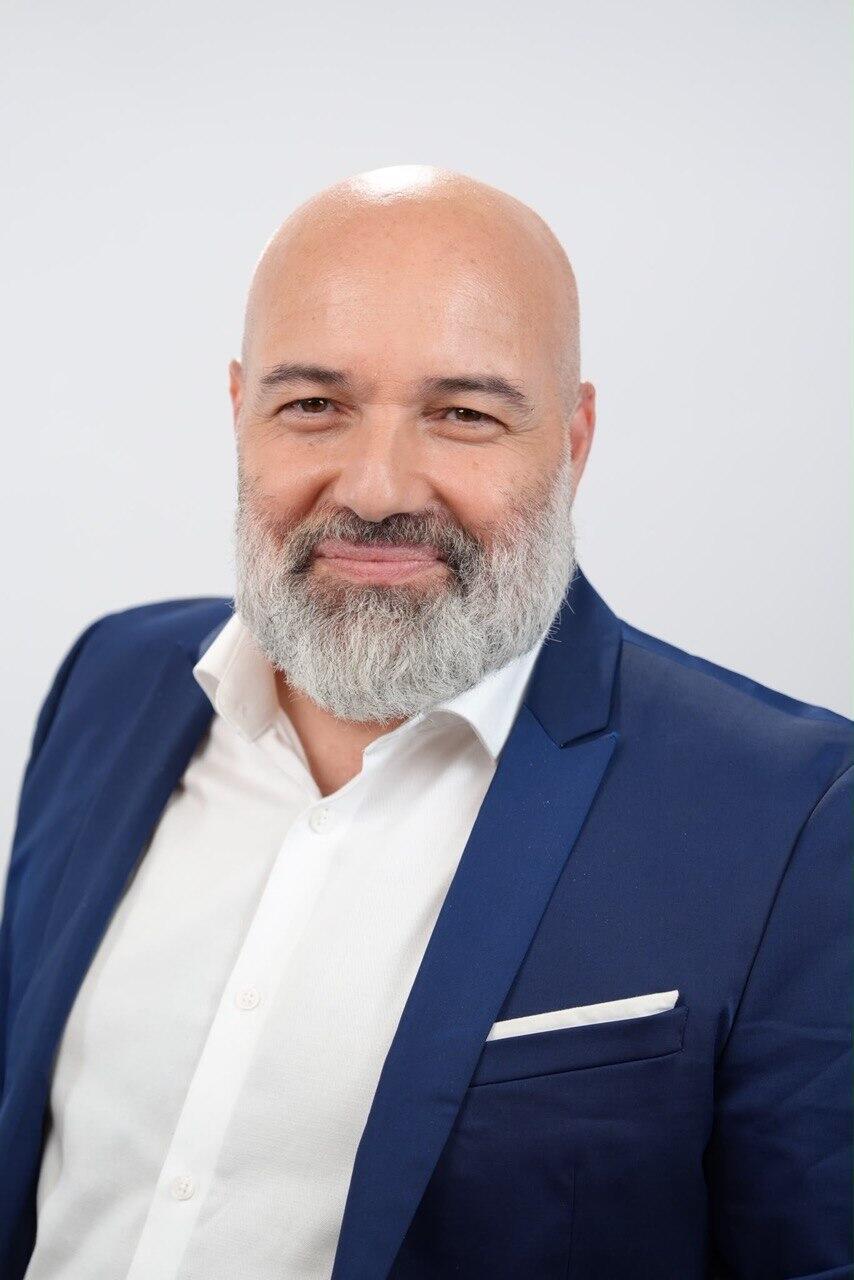
Dobronsky announced overnight that he had decided not to run for parliament, saying he and Netanyahu had agreed that he would instead join the Likud team as a professional, non-Knesset minister for AI if Netanyahu forms the next government.
“The prime minister asked me two months ago to join the Likud team in the coming elections, and that is what will happen,” Dobronsky wrote on Facebook.
“The prime minister offered me the position of minister for AI affairs and a reserved spot in the top 10 of the list,” he said. “Nevertheless, I preferred to serve only as a professional minister, where I can contribute the most from my experience, and not to be on the list itself as a member of Knesset, and that is what we agreed.”
“I intend to work hand in hand with Prime Minister Netanyahu, as part of the Likud team, to make sure that the State of Israel becomes an AI superpower,” he added.
Dobronsky’s withdrawal came as Netanyahu continued to hold back the names of his remaining reserved candidates, even after a deadline imposed by Likud’s internal tribunal expired.
The tribunal had warned that the delay could open the way for a secret ballot among members of the Likud Secretariat. Likud officials nevertheless told ynet that Netanyahu “has no intention of allowing such a vote.”
Netanyahu appears determined to leave his remaining decisions until the final hours. A meeting of the Likud Secretariat, which is supposed to approve the reserved slots and was originally scheduled for 11 a.m. Tuesday, was first postponed until 2 p.m. Even that time was not considered final.
The national deadline for political parties to submit their candidate lists to Israel’s Central Elections Committee is 10 p.m. Tuesday.
Netanyahu, through attorney Ilan Bombach, Likud’s legal adviser, criticized the tribunal’s ruling. Bombach said Netanyahu intended to provide the list of reserved candidates Tuesday morning, giving Secretariat members what he described as “several hours of sufficient time” to review it.
“Only 115 minutes were allocated to study a petition consisting of dozens of pages and appendices, receive instructions, establish the facts, formulate a position and submit a legal response,” Bombach wrote. “This was despite the fact that, as far as the respondent knows, the petition itself had already been submitted at around 12 p.m.”
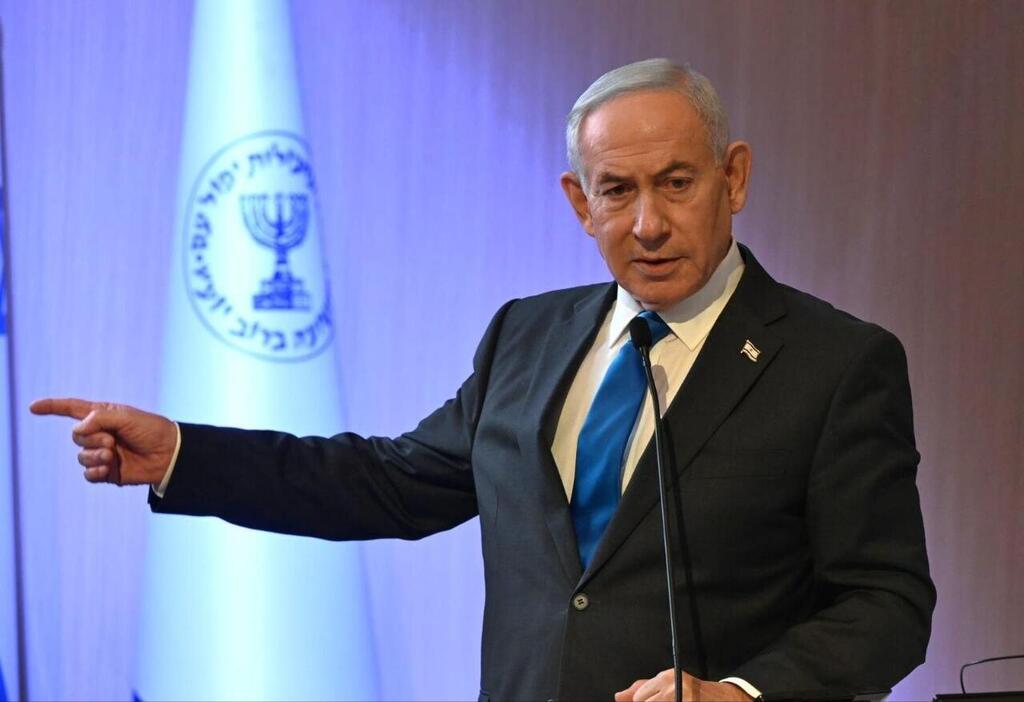
Prime Minister Benjamin Netanyahu
(Photo: GPO)
He said the timetable was “unreasonable and disproportionate” and materially impaired the party’s ability to present its case.
“The situation is particularly serious because the decision was issued ex parte, without first requesting the respondent’s position, and even created a new operative outcome regarding the voting mechanism in the Secretariat,” Bombach wrote. “This response is therefore being submitted under protest, solely out of caution, and without exhausting the respondent’s arguments or waiving any procedural or substantive claim.”
The dispute stems from a ruling Monday by the Likud tribunal, signed by attorney Yitzhak Bam. Bombach had informed the tribunal that political circumstances made it impossible to comply fully with an earlier requirement to notify Secretariat members of Netanyahu’s proposed reserved slots 48 hours before the vote.
“Extreme political constraints may justify a deviation from this timetable,” Bam wrote. “But it appears that after some of the parties that created those constraints have already submitted their lists to the Central Elections Committee, the proposal regarding reserved slots, if the movement chairman intends to use them, should be published promptly.”
Bam said the 48-hour notice period was designed to give Secretariat members time to consider the proposed candidates and, if they believed it necessary, demand a secret ballot.
“Publishing a proposed decision shortly before the vote could be interpreted as an improper fait accompli,” he wrote.
The tribunal said that if no formal proposal was delivered to Secretariat members by 9 p.m. Monday, Likud’s legal adviser would have to explain why the failure should not be regarded as implicit consent to a secret ballot without the usual requirement to collect signatures from 10% of Secretariat members.
Netanyahu has nevertheless continued to hold his cards close until the final hours.
He has already spoken with prospective candidates. One has even filmed campaign material, but the video has not been released because Netanyahu has yet to make a final decision.
Senior ministers and members of Netanyahu’s close circle, including his wife, Sara Netanyahu, and son Yair Netanyahu, have also been pressing him to select candidates firmly identified with the political right.
One argument repeatedly raised in the discussions concerns the possibility of a deadlock between Israel’s political blocs. Netanyahu’s allies want to avoid a scenario in which a lawmaker elected with his bloc later crosses sides and provides the rival camp with the 61 seats required for a Knesset majority.

Prof. Keren Assayag
Behind the delay is not only Netanyahu’s tendency to postpone major political decisions until the last moment. He has also so far failed to secure a candidate regarded within Likud as an electoral “game changer.”
Netanyahu has already announced several candidates for reserved positions, including Gideon Sa’ar, Haim Katz and Israel Katz. Likud lawmaker Michel Buskila, a close ally of Sa’ar, is also expected to receive a reserved slot under the agreement with Sa’ar’s New Hope party.
According to senior Likud officials, attorney David Peter is considered one of the most certain candidates for another reserved position. Peter, a lawyer and researcher at the conservative Kohelet Policy Forum, is identified with the political right and has represented the government in several High Court petitions, as well as National Security Minister Itamar Ben-Gvir.
Netanyahu is also considering Prof. Keren Assayag, though the prospect has drawn opposition from some members of his inner circle. Some associates view her candidacy as a political gamble with limited electoral value.