


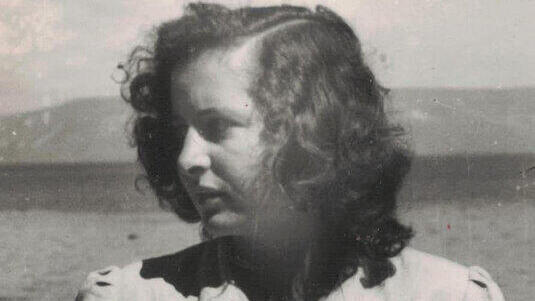
Pnina Pinhasi, who died last month at 97, left behind a remarkable legacy as the first and only woman to serve as a combat soldier in the IDF’s elite naval commando unit, Shayetet 13.
Her grandson, Captain (res.) Tom, founder of the “Dor Bemil” (Generation in the Reserves) organization advocating for equal conscription for all in Israel, reflected on her life, emphasizing that her service was not about personal glory but about fulfilling a fundamental duty to the nation.
“The lesson from my grandmother isn’t about being the first woman in Shayetet 13,” Tom said. “It’s that when the country needed her, she did what was obvious. When we show up for reserve duty, we’re not doing anything extraordinary—it’s our obligation to the state we live in.”
Born in January 1928 in Poland, Pnina's early life was marked by hardship. Her family fled to France, but as Nazi restrictions on Jews tightened during World War II, she and her siblings were hidden in a children’s tuberculosis sanatorium. After the war, they returned home to learn their mother had been murdered by the Nazis.
At 17, Pnina joined a group of French Jewish youth planning to immigrate to Israel aboard the Haganah, an illegal immigrant ship. After a grueling journey, she arrived in Haifa, was briefly detained in Atlit and settled in Kibbutz Shdot Yam.
In 1947, she joined the Palyam, the naval branch of the Palmach, completing courses in sailing and medical training. A year later, Yosale Dror, founder of a covert diving unit under the Mossad, invited her to join its ranks to disrupt Arab arms acquisitions. Pnina accepted, becoming the only woman among male fighters.
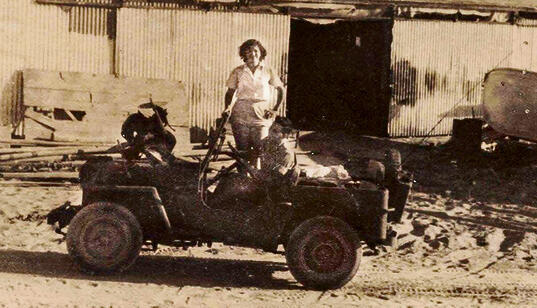
Pnina Pinhasi
(Photo: Yedioth Ahronotj)
Pnina's integration into the unit was not without challenges. According to a book discussion on Shayetet 13’s history, her presence unsettled her male peers. “Pnina struggled to fit in during the course; the men didn’t like her presence,” the book noted.
“She realized her role as a woman in this profession likely threatened their sense of masculinity, and most hoped she would fail—which only fueled her determination to succeed.”
Trained in sabotage, intelligence, navigation, close-quarters combat and extensive swimming and diving, Pnina often outperformed her male counterparts. “She surpassed many of her peers in performance,” her son Daniel recalled.
Get the Ynetnews app on your smartphone: Google Play: https://bit.ly/4eJ37pE | Apple App Store: https://bit.ly/3ZL7iNv
In the diving unit, Pnina met her husband, Reuven, a fellow diver who died years ago. After the 1948 War of Independence, she left the unit and settled with him in Moshav Michmoret. Shortly after, the diving unit merged with Yohai Ben-Nun’s boat unit to form Shayetet 13, where Reuven continued to serve.
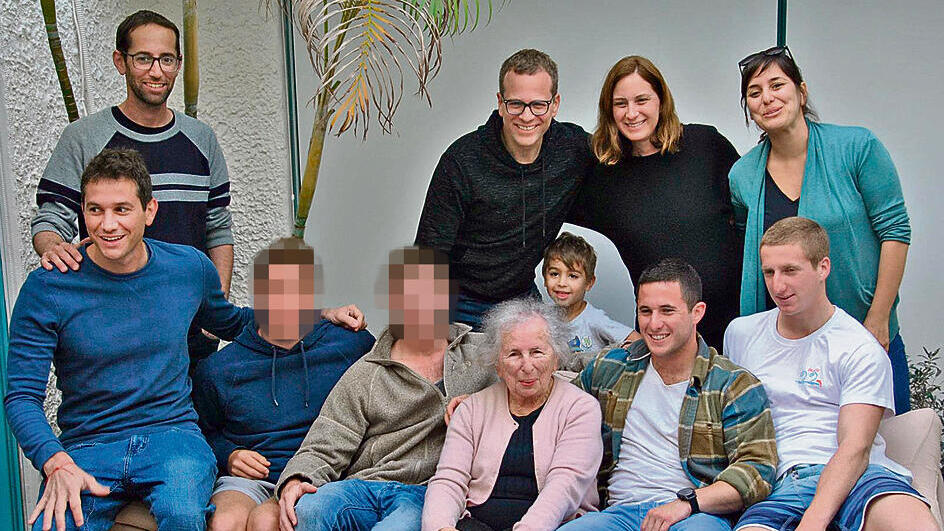
Pinhasi with her family
(Photo: Yedioth Ahronotj)
Pnina's role as the only woman to complete full naval commando training remained largely unknown, as she downplayed its significance. “Only a few knew my mother was the sole woman to complete naval commando training successfully,” Daniel said at her funeral. “She never saw it as important. When asked to share her story, she insisted it wasn’t about tales of adventure or heroism.”
Pnina and Reuven raised a family of four children, ten grandchildren and fourteen great-grandchildren, many of whom followed in their footsteps by serving in the Israeli Navy. One son became a second-generation Shayetet 13 combatant, and two grandchildren, one in active-duty service and one in reserves, are third-generation soldiers in the unit.
“A third generation in Shayetet 13 was a big deal,” recalled First Sergeant (res.) A., one of her grandchildren. “When I finished, we let it pass quietly, but even when my younger brother completed training, she refused to be acknowledged at the ceremony.”
In her final days, Pnina shared with her grandchildren the weight of a lifetime shaped by conflict. “She felt she’d been in a continuous war since childhood and it pained her that her grandchildren are still fighting today,” Tom said.
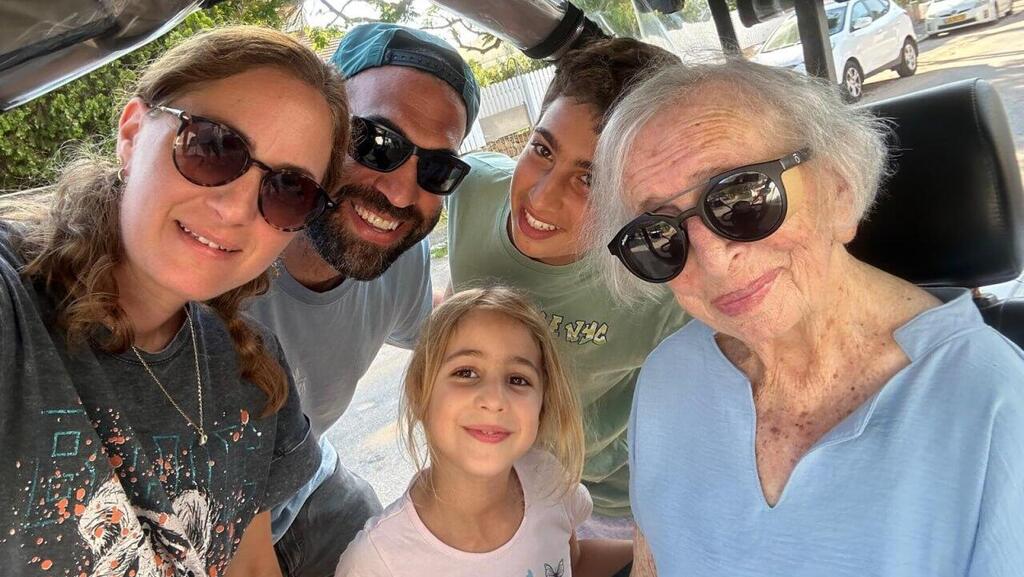
Pinhasi with her family
(Photo: Courtesy)
During her era, the reality was stark: people stepped off immigrant ships, took up arms and faced the unknown, regardless of gender or background. “Back then, everyone—men, women, religious, secular—understood their role in defending the country,” Tom explained.
“They carried the weight together and did what was needed without question. Today, we face challenges no less demanding than 1948, but people focus on personal identity instead of the collective good of the nation.”