

Iran on Friday marked six months since Israel struck Tehran at 8:10 a.m., dropping, among other munitions, heavy bombs on the compound of then-supreme leader Ali Khamenei.
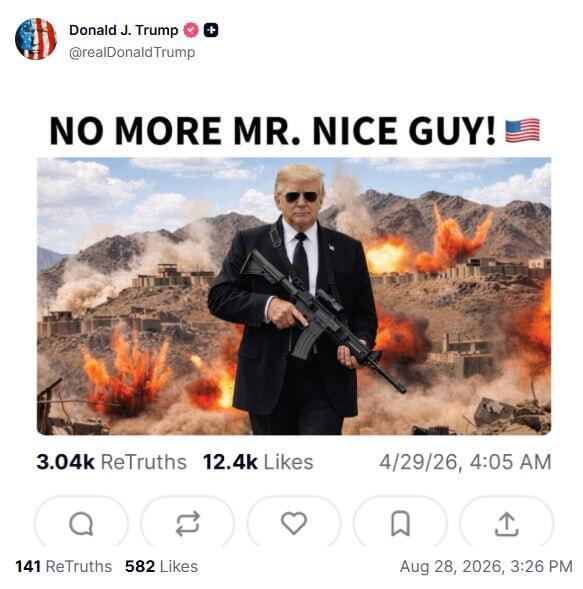
Those strikes marked the beginning of a prolonged campaign that has yet to end, although its direction has shifted in recent days under U.S. President Donald Trump, who has described himself as the war’s “great partner.” Washington is now focusing increasingly on economic pressure against Iran, even as Trump continues to post that he is finished being “Mr. Nice Guy.”
Iran’s supreme leader, Mojtaba Khamenei, meanwhile issued a written appeal to the Iranian public Friday calling on people to “avoid any expression that causes despair.” Trump declared in January that “help is on the way,” but at the time stopped short of attacking Iran, hoping Tehran would halt executions and change course.
That did not happen. About a month and a half later, he joined Israel in the war, following, among other developments, a presentation delivered to him at the White House by Prime Minister Benjamin Netanyahu, with senior Israeli security officials, including the Mossad chief, watching remotely.
The presentation envisioned accelerating the collapse of the Iranian regime, a goal that has not materialized so far. On Thursday, Mossad Director David Barnea said operations would need to be intensified and expressed optimism that the regime would eventually fall.
The New York Times, however, published testimony Friday from Iranians who said they no longer believe the government is about to collapse. What worries them now is survival. “I can’t describe the level of anxiety about the future,” Negar, an Iranian woman who asked that her full name not be published for fear of the authorities, told the newspaper.
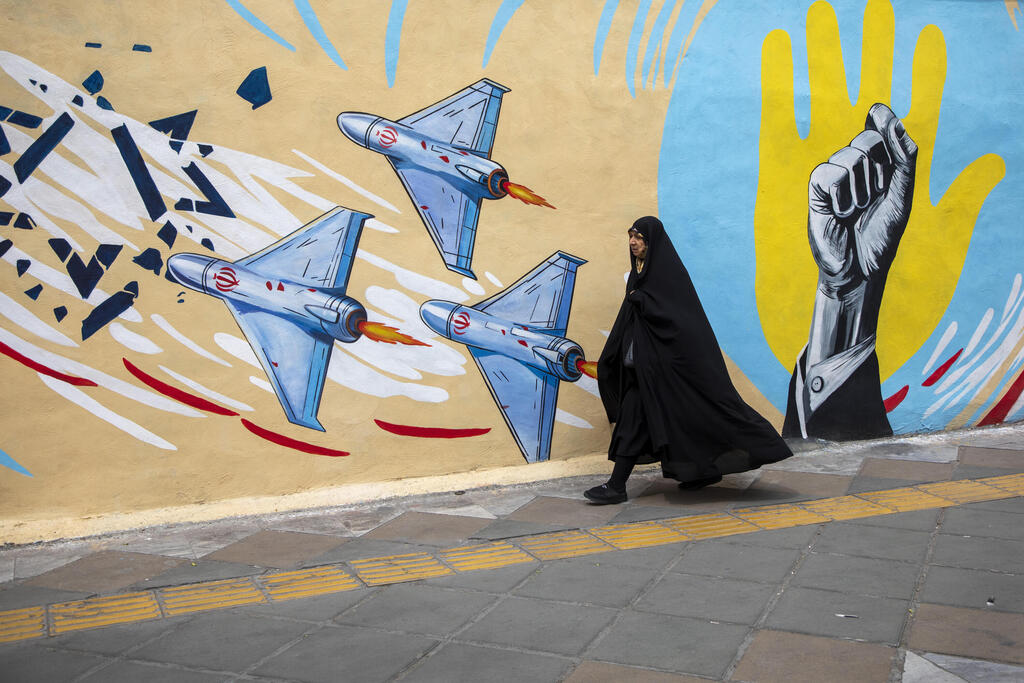
Graffiti in Tehran
(Photo: Majid Saeedi/Getty Images)
The United States has meanwhile changed course. Secretary of State Marco Rubio was quoted this week as saying that, for now, attacks on Iran would stop and the campaign would become primarily economic.
Washington hopes economic collapse will ultimately force Tehran to accept U.S. demands regarding its nuclear program and the reopening of the Strait of Hormuz. But one Iranian interviewed by The New York Times described a very different mood inside the leadership. “The Islamic Republic is convinced that it has defeated the world and that everyone is afraid of it,” he said.
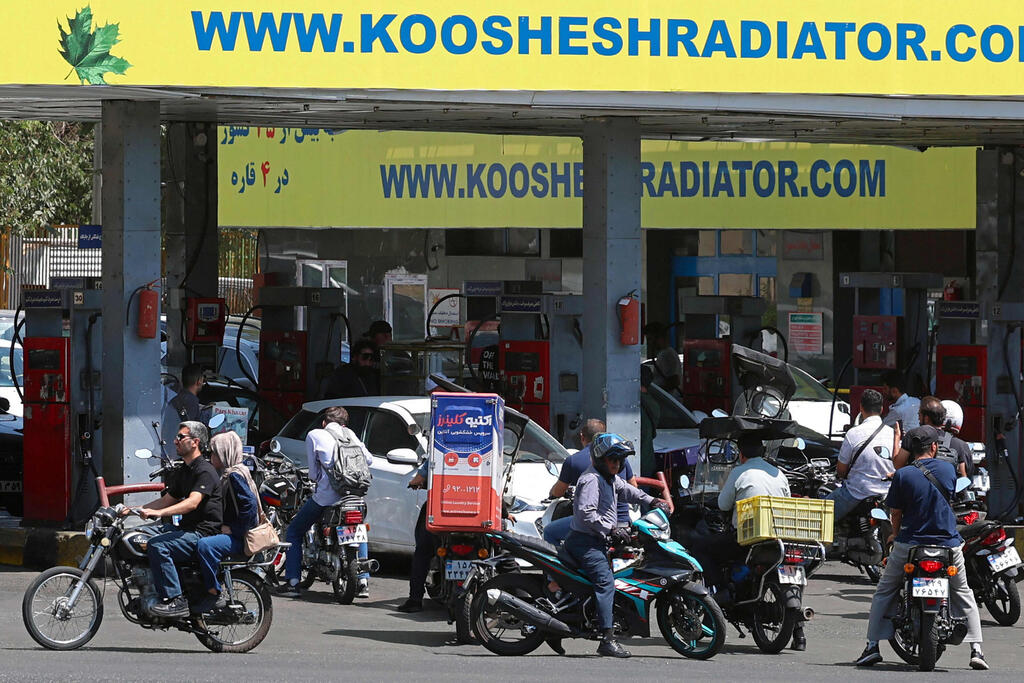
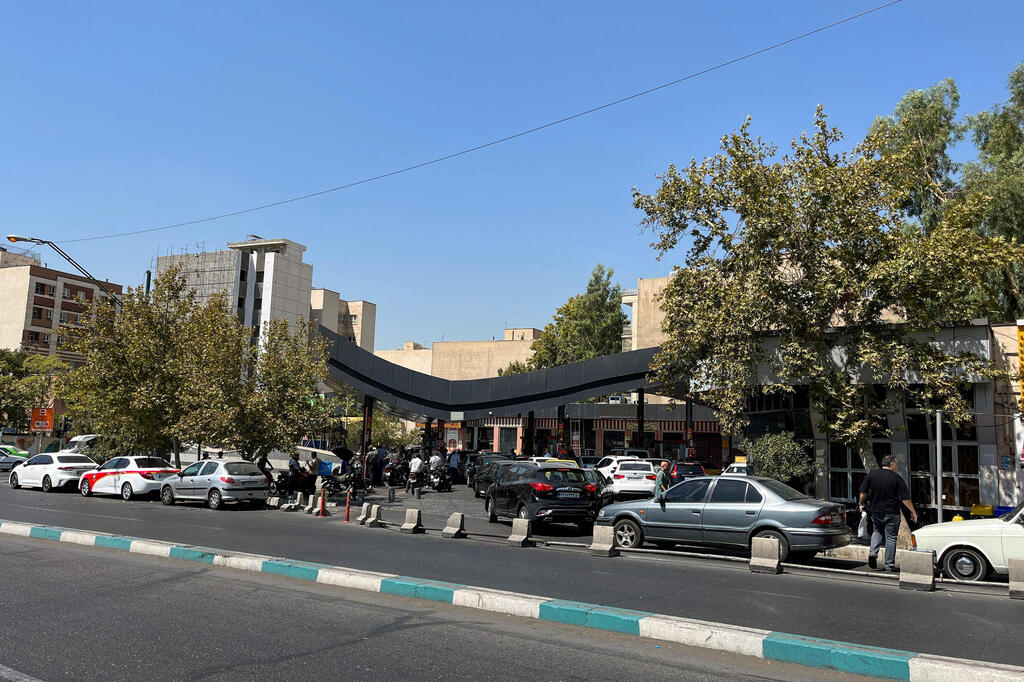
One of the biggest concerns inside Iran is the possibility that gasoline prices, which are heavily subsidized, could rise. Long lines were seen at gas stations this week. “Everyone is rushing to buy and stockpile food, especially Pakistani rice,” Marzieh, a resident of Bandar Abbas, Iran’s major southern port city, told The New York Times. She said even basic goods had already become more expensive.
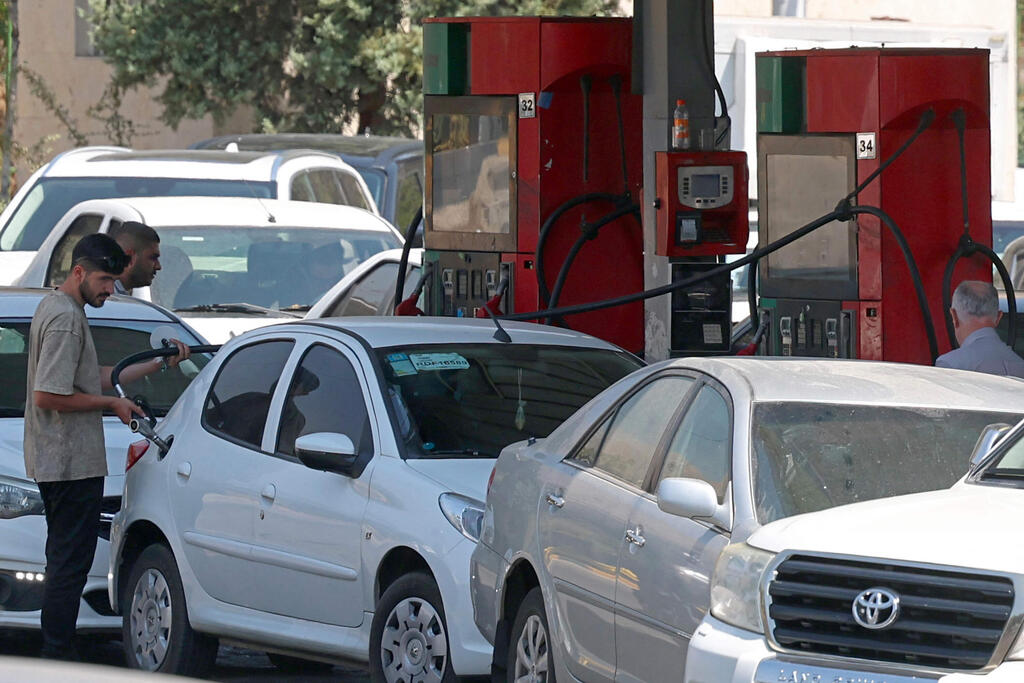
Long lines at gas stations this week
(Photo: AFP)
(Photo: AFP)
(Photo: AFP)
Several Iranians interviewed by the newspaper said they expected a new round of protests in the near future, despite the regime’s willingness to use live fire against demonstrators and the deadly repression of previous protest waves.
Against that backdrop, Mojtaba Khamenei issued a message praising the government’s performance despite sanctions and pressure from abroad. “I appreciate the measures taken by our government, which were implemented despite the restrictions and plots of the American-Zionist enemy, and despite the sanctions and blockade,” he said.
“Any expression that causes despair or weakens national and public determination should be avoided.”
Fuel prices have proved politically explosive before. An increase in gasoline prices in 2019 brought large numbers of Iranians into the streets. “You cannot stop an economic uprising with anything,” Ismail, a Tehran resident, told The New York Times. “War will not stop it, and violence will not stop it.”
He said Iranians had fallen into a “black hole.”
“People are hungry, confused and unable to find a way out. We are alone, in a catastrophic state of chaos and abandonment.”
Iranian government spokeswoman Fatemeh Mohajerani also acknowledged the country’s economic distress this week. “We do not deny the economic difficulties, but we will overcome the pressures with wisdom and by maintaining our unity,” she said.
Trump, meanwhile, signaled Thursday that Washington has little interest in returning to negotiations. Asked about his new strategy toward Iran and whether talks were underway, he replied: “We don’t want to talk to them.” Speaking to reporters in the Oval Office, he added: “We’re not looking to meet with them either.”
The Wall Street Journal also reported that the administration had “repeatedly” told intermediaries it had no interest in returning to the terms of the June memorandum of understanding with Iran.
A senior Iranian official described the U.S. measures as “total economic war” after the U.S. Treasury secretary this week announced a plan aimed at cutting Iran off from its trading partners as part of what Trump has called an economic “D-Day.”