

A new report by the International Institute for Strategic Studies in London says Russia conducted an extensive aerial espionage campaign over Western Europe for 18 months, exploiting gaps in some of NATO’s most advanced air-defense systems and sending drones over sensitive military and nuclear sites.
According to the report, Russia’s military intelligence agency, the GRU, operated a network of drones that entered the airspace of at least 12 countries, including Britain, France, the Netherlands and Belgium. The campaign, the report says, was designed to identify vulnerabilities in NATO defenses while gathering intelligence on key military infrastructure.

The IISS analysis recorded at least 144 incidents across more than a dozen countries. The targets were not random, according to the report, but carefully selected. They included RAF Lakenheath in Suffolk, where preparations have been reported for the possible return of U.S. nuclear weapons, and France’s Île Longue naval base in Brittany, home to French nuclear submarines. Similar incidents were reported near sensitive sites in the Netherlands and Belgium.
Despite the scale of the activity, no drone was intercepted or captured, deepening embarrassment for European governments and NATO. The incidents also caused disruptions at civilian airports, including in Amsterdam, Brussels and Munich.
The report says Moscow’s covert tactic relied on what it described as maritime surprise. Russian drones, apparently including long-range models such as the Orlan-10, were allegedly launched from the decks of commercial vessels and tankers linked to Russia’s “shadow fleet.” Those ships, operating in international waters with their transponders turned off, served as mobile launch and recovery platforms.
IISS researchers said the campaign’s goals appeared to range from collecting nuclear intelligence and mapping logistical supply chains to psychological warfare and the exhaustion of Western security systems.
The clearest intelligence breakthrough, according to the report, came when French commandos raided one of the suspected tankers and found Russian mercenaries from a private military company on board. The discovery, the report says, helped turn suspicion into a firm assessment that Russia had converted parts of its commercial tanker fleet into an operational military tool.
Institute experts described the operation as a “tactical success” for the Kremlin and a “strategic failure” for European allied defenses. NATO was built to confront large conventional threats, but small, cheap, low-flying drones moved literally and figuratively below the radar, creating a new security challenge for Europe.
The report’s findings come against the backdrop of a separate report in Britain’s Telegraph last week, which said the United States has warned Poland of a possible Russian provocation on its territory in the coming months.
According to that report, Washington recently passed intelligence indicators to Polish officials suggesting that Moscow may be preparing an “armed provocation” inside Poland. It remains unclear what such a provocation would look like, but experts cited several possible scenarios, including limited drone or missile strikes on critical infrastructure, such as power stations, or actions designed to force Poland to activate its air-defense systems.
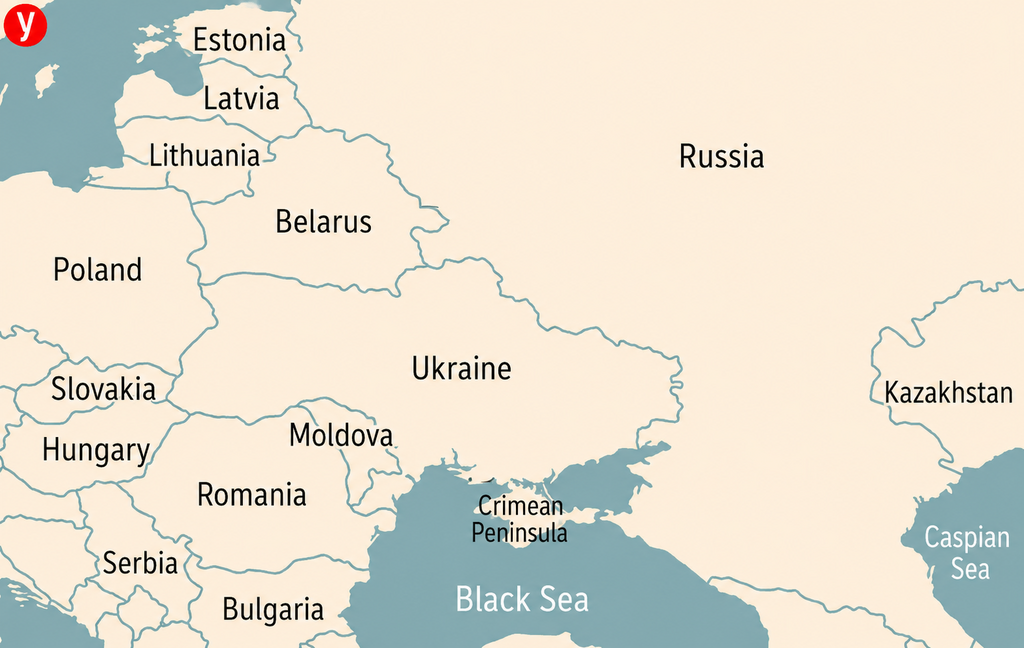
Another scenario raised in the report involves a small hybrid ground incursion, possibly by Russian or Belarusian forces crossing from Belarus or the Kaliningrad exclave, or a false-flag incident used to justify a limited entry into Polish territory.
The suspected purpose of such moves would be to test NATO’s response while calculating that the alliance would avoid a broader escalation. Combined with the alleged drone campaign over Western Europe, the warnings point to a broader Russian effort to probe the limits of NATO’s defenses without crossing into open war.