

Nearly two months after the second Iran war began and two and a half weeks after U.S. President Donald Trump announced a ceasefire, Iran has still not backed down over the Strait of Hormuz, an issue that, judging by the president’s frequent posts, continues to infuriate him.
Negotiations have yet to make real progress, while the United States is developing new plans to strike Iranian capabilities around the strait if the ceasefire collapses, several sources familiar with the matter told CNN.
Gallery
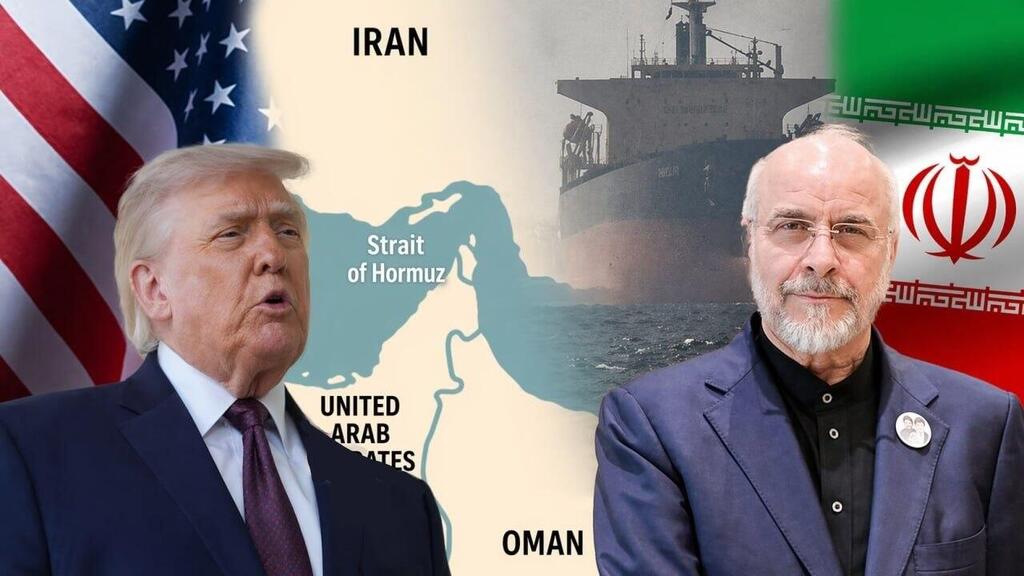
(Photo: AP Photo/Alex Brandon, REUTERS/Stringer, AP Photo/Jon Gambrell, AFP PHOTO / Pakistan's Prime Minister Office)
The options under review include strikes focused on “dynamic targeting” of Iran's capabilities around the Strait of Hormuz, the Persian Gulf and the Gulf of Oman. The sources told CNN the targets include small, fast attack boats, mine-laying vessels and other assets that have allowed Tehran to disrupt traffic through the critical waterway and use it as leverage against the United States.
Several sources said strikes around the strait alone would not be expected to reopen it.
“Unless you can unequivocally prove that 100% of Iran’s military capability is destroyed or near certainty that the U.S. can mitigate the risk with our capability,” said one source familiar with the military planning, “it will come down to how badly is [Trump] willing to accept the risk and start pushing ships through the strait.”
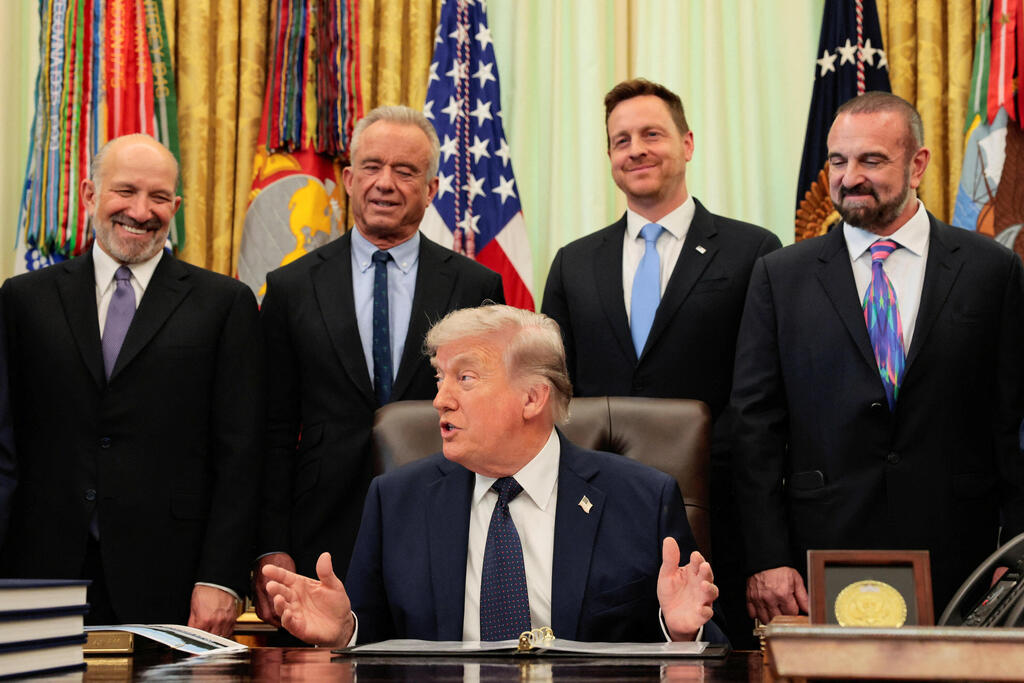
Trump in the Oval Office
(Photo: REUTERS/Kylie Cooper)
Another option raised by planners would have the U.S. military carry out Trump’s earlier threat to strike dual-use targets and infrastructure, such as energy facilities, in an effort to force Iran back to the negotiating table. Another possibility would be to target Iranian military leaders and other “obstructionists” within the regime whom U.S. officials say are working against the talks. One of them is Ahmad Vahidi, who was appointed the new commander of the Revolutionary Guards after Mohammad Pakpour was killed at the start of the campaign.
“Due to operations security, we do not discuss future or hypothetical movements,” a U.S. Defense Department official said in response. “The U.S. military continues to provide the President options, and all options remain on the table.”
Other possible targets could include Iran’s remaining military capabilities, including missiles, launchers and production facilities that have not yet been destroyed or were moved to strategic locations after the ceasefire.
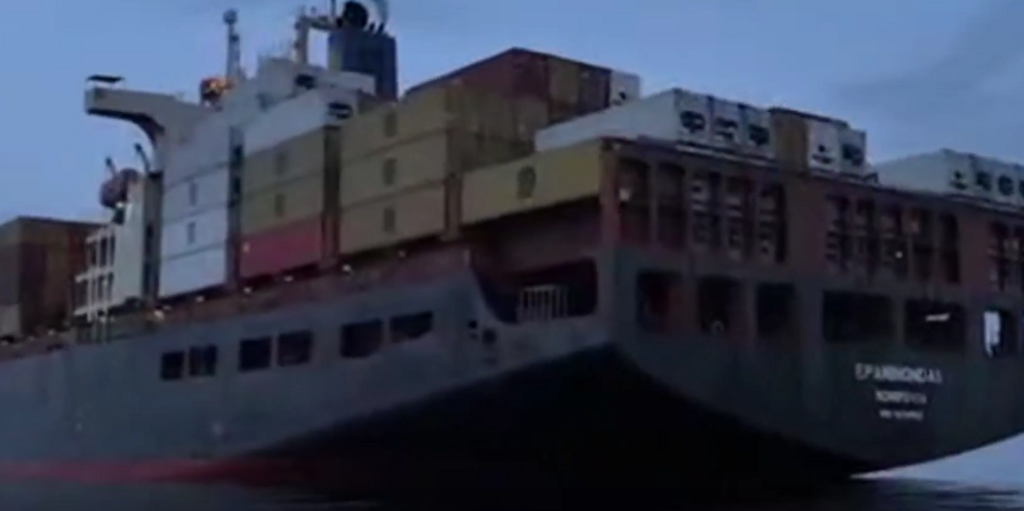
A shipping vessel seized by Iran in the Strait of Hormuz
According to a CNN report based on U.S. intelligence assessments, about half of Iran’s missile launchers and thousands of its attack drones were not hit in the strikes. Last week, U.S. War Secretary Pete Hegseth acknowledged that Iran had moved some of its remaining capabilities to new locations and threatened to strike them if Tehran continued to reject an agreement.
The closure of the Strait of Hormuz has shaken the global economy and threatens Trump’s efforts to lower inflation ahead of the midterm elections. The U.S. military has attacked the Iranian navy, and Trump has repeatedly boasted of its destruction. But those strikes focused on targets far from Hormuz that enabled attacks deep inside Iran. The new military plans, according to CNN, focus on a much more targeted campaign around the strategic shipping lanes.
CNN reported that many of Iran’s coastal defense missiles were not hit. Iran also has a large number of small boats that can be used to attack ships, complicating U.S. efforts to reopen the strait.
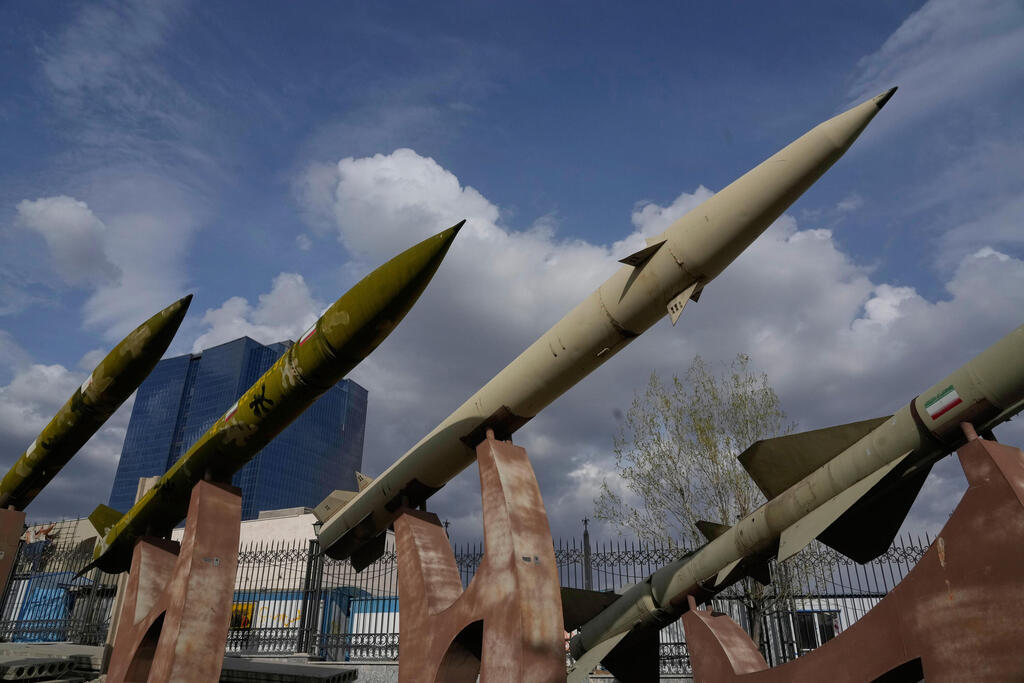
A missile exhibition in Tehran, Iran
(Photo: AP Photo/Vahid Salemi)
Trump, meanwhile, continues to issue threats in posts and statements, though he appears hesitant to restart the war and prefers a diplomatic solution. Although he has repeatedly extended the ceasefire, U.S. sources said the deadline is “open-ended” and that the U.S. military is prepared to resume strikes if necessary.
According to two sources familiar with the initial war planning, the Trump administration misjudged Iran’s willingness and determination to block the strait before the war — something they said could have been avoided had the United States positioned military assets nearby from the outset to deter Tehran.
A U.S. official said Wednesday that the Navy now has 19 ships in the Middle East, including two aircraft carriers, and seven ships in the Indian Ocean. The United States began enforcing a blockade on Iranian ports using many of those forces on April 13, and as of Wednesday had blocked at least 33 ships. U.S. forces also boarded at least three ships, including two in the Indian Ocean, about 3,200 kilometers, or 2,000 miles, from the Persian Gulf.