

U.S. President Donald Trump said the United States is “very close” to achieving its objectives in the war against Iran, outlining sweeping military goals while signaling a potential wind-down of operations, even as he reiterated opposition to a ceasefire and suggested Israel may end the war when Washington does.
In a lengthy post on Truth Social, Trump detailed what he described as the core objectives of the U.S. campaign, including “completely degrading Iranian missile capability,” destroying Iran’s defense industrial base and eliminating its navy and air force, including anti-aircraft systems.
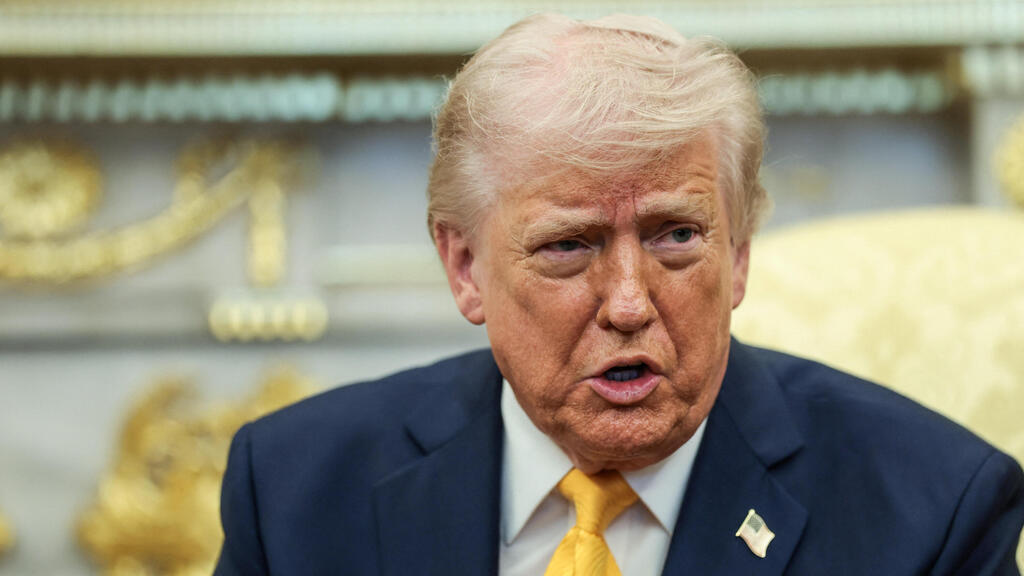
US President Donald Trump


He also stressed that Iran must never be allowed to obtain nuclear capabilities and pledged continued protection for U.S. allies in the region, including Israel, Saudi Arabia, Qatar, the United Arab Emirates, Bahrain and Kuwait.
“We are getting very close to meeting our objectives as we consider winding down our great military efforts in the Middle East,” Trump wrote.
He added that the Strait of Hormuz “will have to be guarded and policed” by other nations that rely on it, saying the United States would assist “if asked,” but argued such involvement “shouldn’t be necessary once Iran’s threat is eradicated.”
Trump described securing the waterway as “an easy military operation” for those countries.
The post offers the clearest articulation yet of the administration’s war aims and suggests a possible transition point in the campaign, even as military preparations continue to expand and the conflict intensifies.
Earlier Friday, Trump said he does not want a ceasefire in the U.S.-Israeli war against Iran and indicated Israel could be prepared to stop fighting once the United States concludes its own operations.
Asked whether Israel would be ready to end the war when the United States does, Trump replied, “I think so.”
He dismissed calls for a ceasefire, saying, “Look, we can have dialogue, but I don’t want to do a ceasefire. You know, you don’t do a ceasefire when you’re obliterating the other side.”
The comments come as Washington continues building up forces in the region and widening military options.
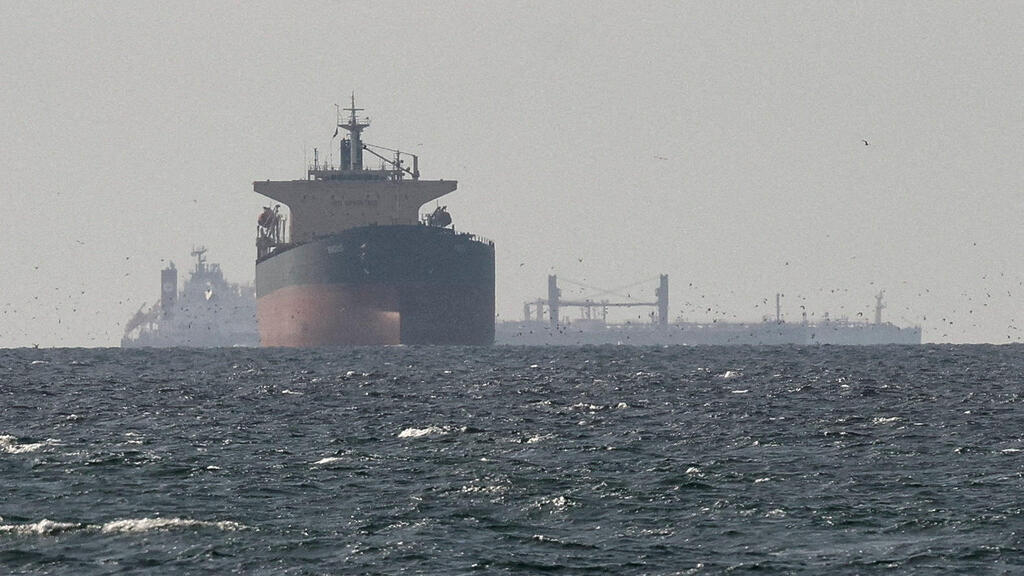
An oil tanker near the Strait of Hormuz
(Photo: Reuters/ Stringer)
According to CBS News, Pentagon officials have made detailed preparations for the possible deployment of U.S. ground forces into Iran, including troop positioning and detention planning. The report said senior military commanders have submitted specific requests as Trump weighs next steps.
Trump has publicly denied any immediate plan to send ground troops.
“No, I’m not putting troops anywhere,” he said in the Oval Office, before adding, “If I were, I certainly wouldn’t tell you.”
White House press secretary Karoline Leavitt said such planning is standard and does not indicate a decision has been made.
“It’s the job of the Pentagon to make preparations in order to give the Commander in Chief maximum optionality; it does not mean the President has made a decision,” she said.
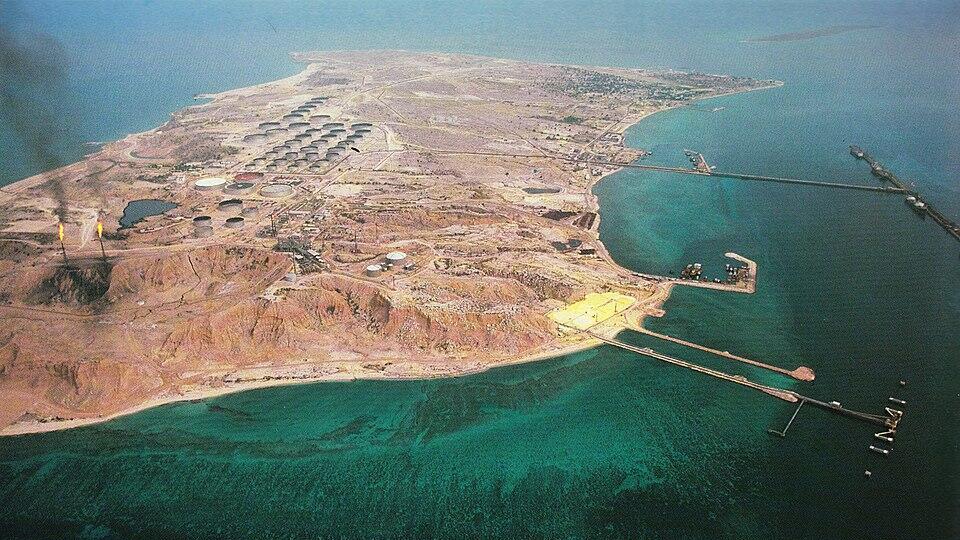
Could it be the next target? Kharg Island
Still, the scope of preparations suggests the administration is positioning itself for a broader range of scenarios beyond air and naval operations.
CBS reported that the planning involves elements of the Army’s Global Response Force, the Marine Corps’ Marine Expeditionary Unit and the 82nd Airborne Division. Military officials have also discussed how to handle potential detention of Iranian personnel if U.S. troops are deployed.
At the same time, thousands of Marines are already moving toward the Middle East. Three warships and about 2,200 Marines departed California earlier this week, marking the second such deployment since the war began, while another unit is still en route.
The latest developments come as the Strait of Hormuz remains a central front in the conflict and a key lever of global pressure.
Trump has repeatedly called for greater international involvement in securing the waterway, saying earlier that “a lot of help” is needed and that it “would be nice” if countries such as China and Japan took part. He has also criticized allies, including NATO members, for failing to contribute more directly, accusing them of benefiting from U.S. actions while avoiding risk.
The strategic waterway, through which roughly one-fifth of global oil and liquefied natural gas supplies pass, has become a major pressure point, with disruptions fueling global energy concerns.
On the battlefield, fighting continued to intensify. Israel said Friday it carried out major waves of airstrikes on weapons production sites and ballistic missile infrastructure in Tehran, while Iran launched additional missile attacks and continued targeting energy facilities across the Gulf, including a refinery in Kuwait.
Despite the escalation, domestic support in the United States for a ground war remains limited.
A Reuters/Ipsos poll found nearly two-thirds of Americans believe Trump may order a large-scale ground operation, but only 7% support such a move, highlighting the political risks of deeper involvement.
For now, Trump’s messaging reflects a dual track: projecting confidence that U.S. objectives are close to being achieved and signaling a potential wind-down of operations, while continuing to expand military options and press allies to take on a greater share of the burden, particularly in securing the Strait of Hormuz.
First published: 22:43, 03.20.26