

Hundreds of millions of shekels, "each time in a suitcase with 1 million to 2 million shekels," made their way over the past year from a currency exchange business in Jordan to one in central Israel, where the shekels were converted into dollars and returned the same day in a loaded suitcase to Jordan. Investigators with Lahav 433 suspect the laundered funds were intended to finance terrorism.
The investigation, which centers on suspected money laundering involving hundreds of millions of shekels, has grown increasingly complex over the past year.
Gallery
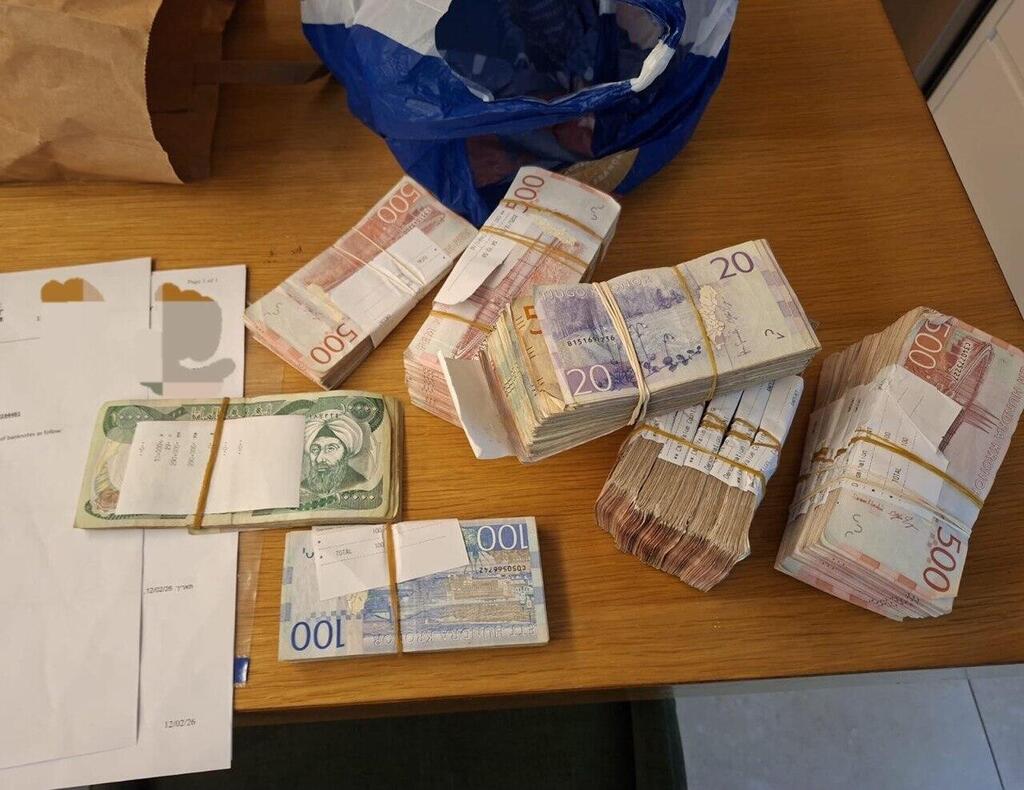
The shekels crossed from Jordan, were converted into dollars in Israel and returned
(Photo: Israel Police)
Chief Inspector Kobi Kadosh, head of the investigations department at Lahav 433’s economic crimes unit, said: "This involves suspected offenses totaling hundreds of millions of shekels. The money was transferred from Jordan to Israel, converted into foreign currency at a licensed Israeli financial services provider, then returned to Jordan. "One line of inquiry is possible terror financing, and we are still in the early stages of the public investigation as we continue to examine the allegations and trace the money trail."
About a week ago, the covert investigation became public when unit investigators, working with the Custodian General’s forfeiture unit, raided several locations and detained 14 suspects from northern Israel for questioning on suspicion of money laundering and terror financing. Some of those detained are known to be affiliated with the Islamic Movement in the north, and investigators are examining whether some of the funds made their way to the Islamic Movement in Israel.
The suspicions emerged from intelligence received by the economic crimes unit. A covert investigation was opened into several currency exchange businesses, some of them allegedly unlicensed: two in northern Israel and a third, a licensed currency exchange business in central Israel with a high volume of activity.
Economic crimes investigators uncovered what they described as a "very simple and easy" laundering method. According to the investigation, over the past year an Arab Israeli citizen went to a currency exchange business in Jordan, where he received a suitcase containing between 1 million and 2 million shekels. The courier, who worked for one of the two exchange businesses in the north, entered Israel through land crossings while declaring the cash in his possession. According to police investigators, "there was no legal problem bringing in the shekels, which were registered upon entry into Israel."
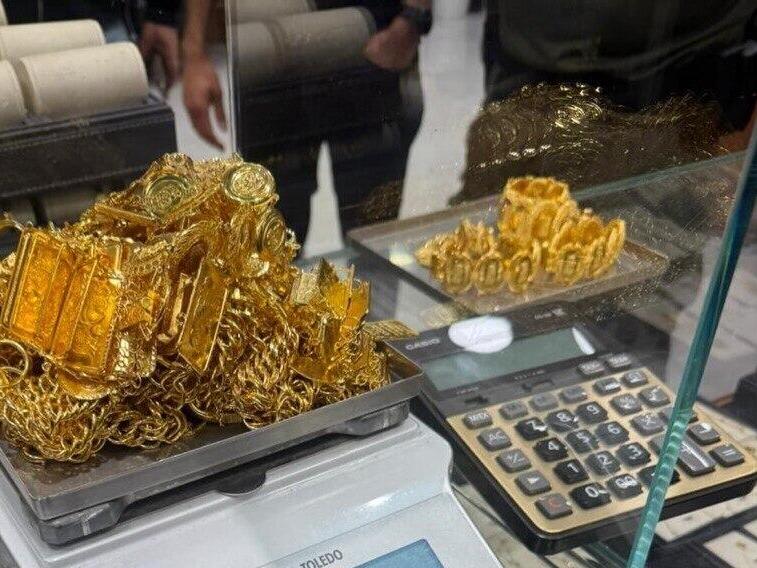
Gold and jewelry worth about 7 million shekels were also seize
(Photo: Israel Police)
At this stage, police do not know how hundreds of millions of shekels reached the currency exchange business in Jordan over the past year, or the source of the Israeli money. It is also unclear where the dollars went after they were sent back from Israel to the neighboring country, and whether the Jordanian exchange business was a conduit for laundering shekels or the central player for whom the northern Israeli residents were operating.
Investigators are currently struggling to determine the role of the Jordanian exchange business, which has not been investigated, and are focusing on gathering evidence against actions allegedly carried out by the Israeli suspects.
(Photo: Israel Police)
The investigation found, however, that the man carrying the suitcase filled with shekels returned to Israel the same day and, after crossing into the country, continued to the exchange business in central Israel. According to Kadosh, the business is legal and considered very large. "There, the courier with the suitcase loaded with shekels, acting on behalf of one of the two exchange businesses in the north, converted the money into dollars," he said.
Police suspect that the exchange business that converted the money into dollars was required to record the details of the person carrying out the transaction. The investigation found that a Jordanian resident was listed as the person who made the conversion, even though the person was not a foreign resident but an Israeli citizen. Police suspect the financial services providers laundered hundreds of millions of shekels.
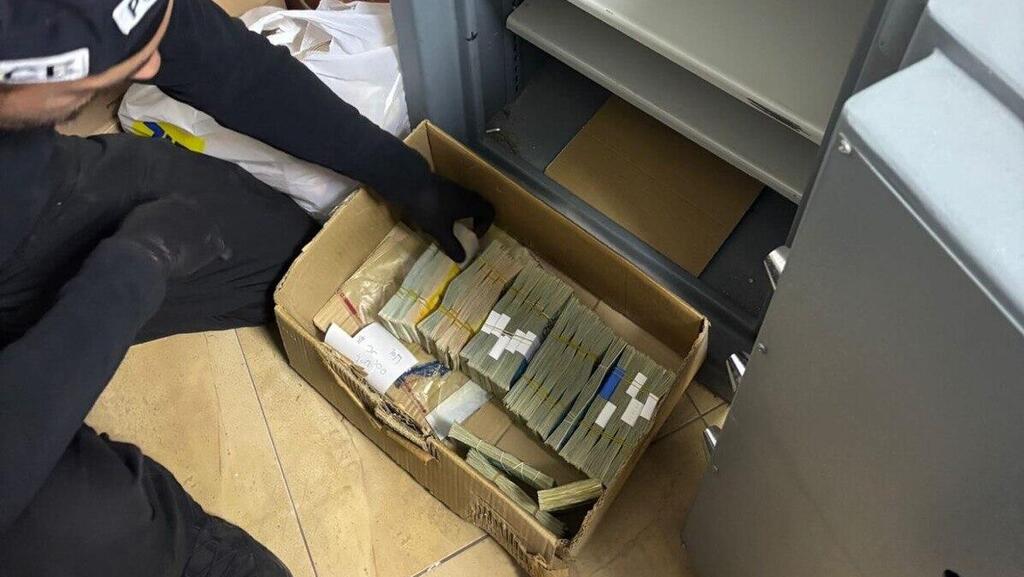
Cash found by police, worth 2 million shekels
(Photo: Israel Police)
Investigators with the economic crimes unit still do not know where the hundreds of millions of shekels that reached the Jordanian exchange business came from, or where the dollars sent back from Israel ultimately went. The owner of the Israeli exchange business that converted the shekels into dollars collected a conversion fee, generating substantial profits. The suspects detained for questioning were released after their interrogations.
Investigators are now focusing on suspicions that can be attributed to the suspects within Israel: money laundering, operating a financial services business without a license, aggravated fraud and terror financing.
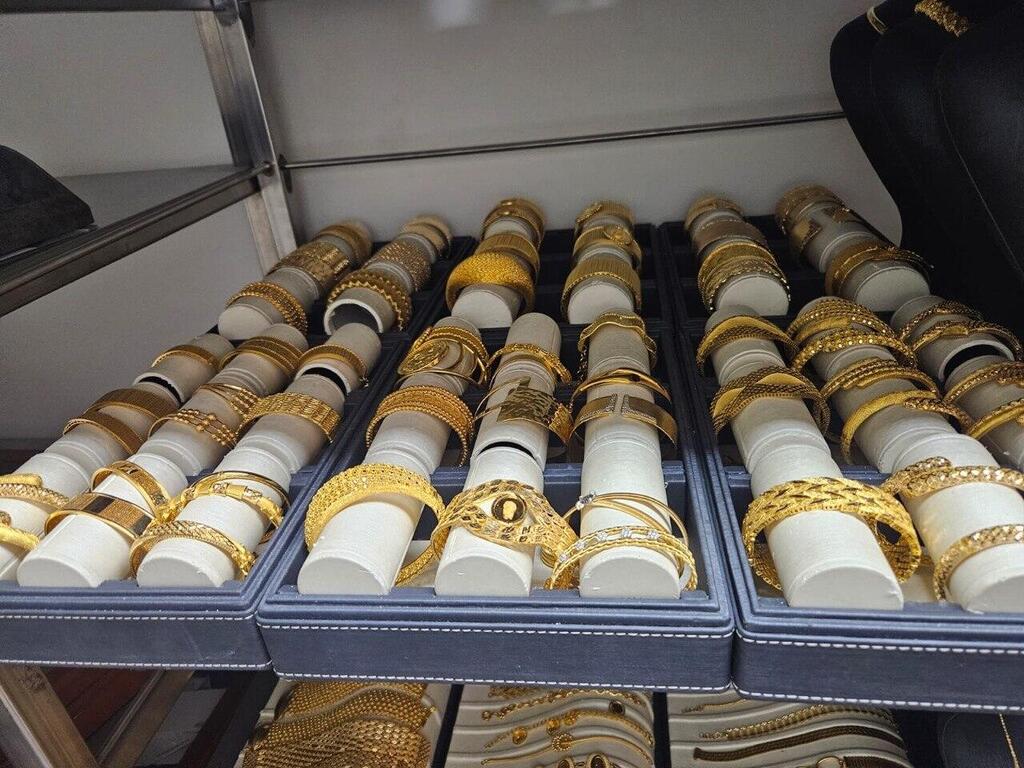
During the detentions and searches of homes and currency exchange businesses, police seized gold and jewelry worth about 7 million shekels, cash in various currencies totaling 2 million shekels, 22 million shekels in the detainees’ bank accounts and seven real estate assets. The economic crimes unit and Lahav 433 said: "We are continuing the fight against economic crime, which serves as the growth engine for crime in all its forms."