


Senior Israeli defense officials are warning that a deepening budget dispute with the Finance Ministry is beginning to threaten the military’s operational readiness, with promised funding still undelivered, shortages emerging in key equipment and major procurement deals already falling through.
“The Budget Department has put on the brakes completely and we are on the edge of an abyss,” a senior defense official said in closed-door discussions, describing what the military sees as an increasingly serious threat to its ability to sustain operations over the long term.
The warning follows IDF Chief of Staff Lt. Gen. Eyal Zamir’s statement last week that “the coffers are empty,” as tensions between the military and Finance Ministry intensify.
Defense officials say the government and Prime Minister Benjamin Netanyahu acknowledged a NIS 40 billion ($13.4 billion) budget gap and directed that NIS 15 billion ($5.03 billion) be transferred immediately. According to the military, that money has still not arrived.
The dispute comes as Israel continues military operations on multiple fronts, including Iran, Lebanon, Gaza, the West Bank and the Syrian border.
Officials say the funding shortage is already affecting routine maintenance and efforts to rebuild capabilities depleted during prolonged fighting.
Hundreds of IDF Humvees were destroyed during combat in Lebanon, according to the defense establishment, creating what officials describe as a severe shortage. The problem could become more difficult to resolve because production in the United States of Humvees configured for Israeli use is expected to end soon.

Hundreds destroyed in combat. An IDF Humvee
(Photo: Shaul Golan)
Domestic production lines for some ground-force munitions are also nearing the end of their current orders, officials said. Without new contracts, manufacturers could halt production, while defense companies such as Elbit Systems and Rafael cannot be expected to finance continued production themselves.
Apache deal expires
The budget dispute has also affected Israeli efforts to strengthen the Air Force.
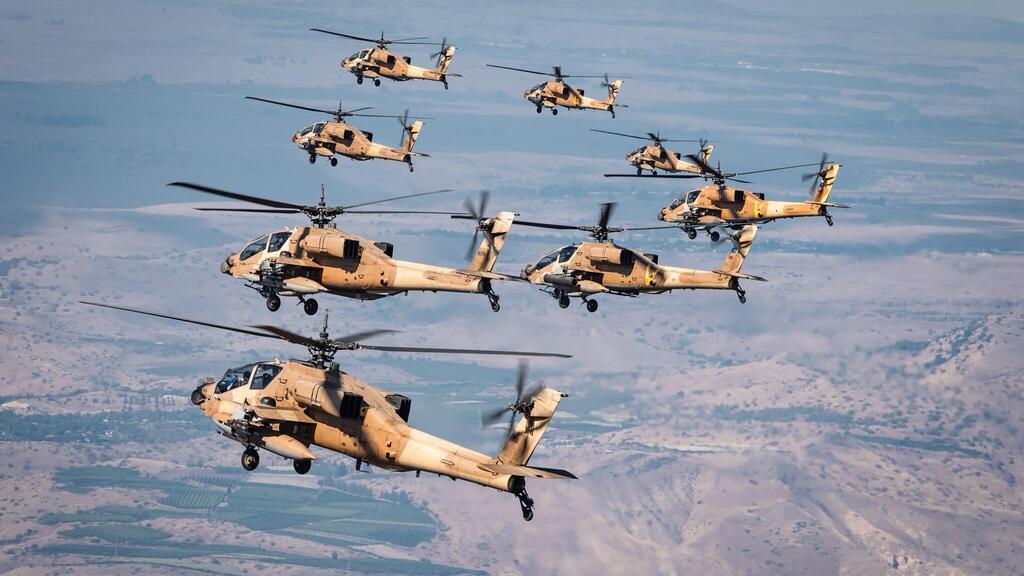
A planned purchase of Apache attack helicopters from the United States, developed over the past two years, has formally expired after failing to reach the political leadership for approval.
Defense planners had considered the helicopters important for border defense and ongoing combat operations.
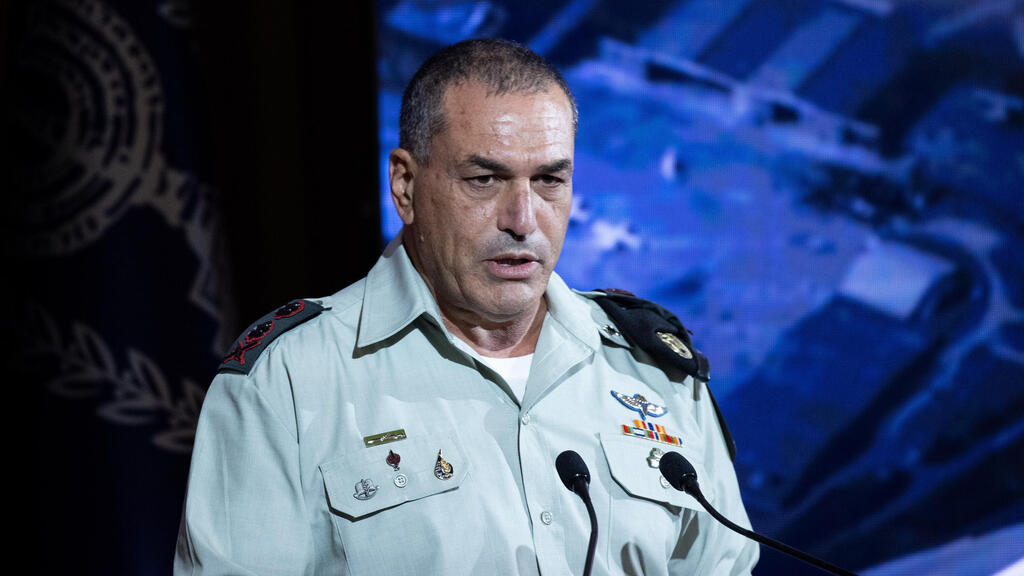
IDF chief of staff Eyal Zamir
(Photo: Alex Kolomoisky)
“After the Americans submitted a formal framework, the Budget Department dug in its heels to prevent the deal from reaching the political echelon for approval, and after several extensions requested by the Defense Ministry and the IDF, the deal officially expired,” the senior defense official said.
The official warned that losing major procurement opportunities could have consequences beyond the immediate equipment shortfall.
“Every missed deal like this harms relations with the U.S. administration, raises prices in the global market, especially when countries in the region, such as Qatar, buy platforms like refueling aircraft at enormous prices and drive up the cost, and above all creates a serious operational gap on the ground.”
Defense officials reject Finance Ministry arguments that the military receives effectively unlimited funding without sufficient oversight.
They point to several layers of financial supervision, including approval by the accountant general, Finance Ministry representatives inside the Defense Ministry and a dedicated comptroller in the military budget directorate.
The IDF also notes that it received praise from the State Comptroller for efficiency measures.
Military says spending demands reflect expanding war
Defense officials say the original budget imposed on the IDF was NIS 111 billion ($37.25 billion), well below the NIS 143 billion ($47.99 billion) the military had requested, while planned reserve-duty days were also reduced.
The defense budget was later increased to NIS 143 billion ($47.99 billion), but officials say the gap between actual funding and the requirements generated by government-directed operations subsequently widened to NIS 40 billion ($13.4 billion).
They attribute the increase to the expansion of military activity, including a deep ground operation in Lebanon, a 40-day campaign against Iran, control over 62% of the Gaza Strip, maintenance of a security zone in Syria and intensified operations in the West Bank and along Israel’s eastern border, including efforts to counter drone threats.
The military is particularly concerned that the dispute could extend into an election period and leave Israel without an approved state budget until summer 2027.
Defense officials say even senior government legal advisers have accepted that some of the military’s immediate requests, particularly replenishing stockpiles and preventing production lines from shutting down, are urgent operational requirements rather than political spending.
Ammunition, spare parts for naval and ground platforms and border-defense systems are among the needs the military describes as entirely nonpolitical.
“The NIS 15 billion ($5.03 billion) that has already been agreed upon must be transferred immediately, and the budget must be reopened in the government to create a planning horizon,” defense officials said.
“The price that is not paid today in money will be paid tomorrow in national security.”