

A Hezbollah member of Lebanon’s parliament was left visibly rattled during a live television interview after an Arabic-language IDF spokesman urged the interviewer on X to ask him about the Beaufort, where Israel said it had uncovered a major Hezbollah tunnel network.
Although the latest round of fighting with Iran appeared to last only about a day before ending Monday under U.S. pressure, Israel’s confrontation with Hezbollah in Lebanon has not stopped. The fighting has continued despite what Tehran had framed as a new equation, which included a demand that IDF strikes in southern Lebanon also cease.
Hezbollah MP interviewed with terror group’s flag behind him


On Sunday, before the escalation with Iran, the IDF exposed what it described as a significant Hezbollah tunnel network in the Beaufort ridge. During a Lebanese television interview, Hezbollah MP Hassan Fadlallah was confronted over the issue after the IDF’s outgoing Arabic-language spokesman, Col. Avichay Adraee, publicly suggested the question.
Lebanese journalist George Salibi interviewed Fadlallah on the local channel Al Jadeed, which is not affiliated with Hezbollah. Fadlallah had previously claimed that the Beaufort was “an archaeological site where Hezbollah has no presence.”
Adraee saw the interview and responded on X, writing: “Al Jadeed in a live interview with Fadlallah, ask him about the Beaufort and his lies.”
In the post, Adraee tagged the channel and the program and shared images of Hezbollah terrorists at the same “archaeological site.”
Salibi, who saw the post during the interview, interrupted and asked Fadlallah: “The spokesman of the Israeli army, Avichay Adraee, is asking you a question. Do you accept the question or not?” The interviewer continued: “He says, ‘Ask him about the Beaufort.’”
Fadlallah, speaking with a Hezbollah flag visible behind him, replied: “There is no answer. You should not ask, and I should not answer.” Salibi objected: “Don’t tell me what to ask and what not to ask.” Fadlallah responded angrily: “He is an enemy. He is not supposed to send us a question through a national media outlet and have us answer it directly. I don’t want to answer that.”
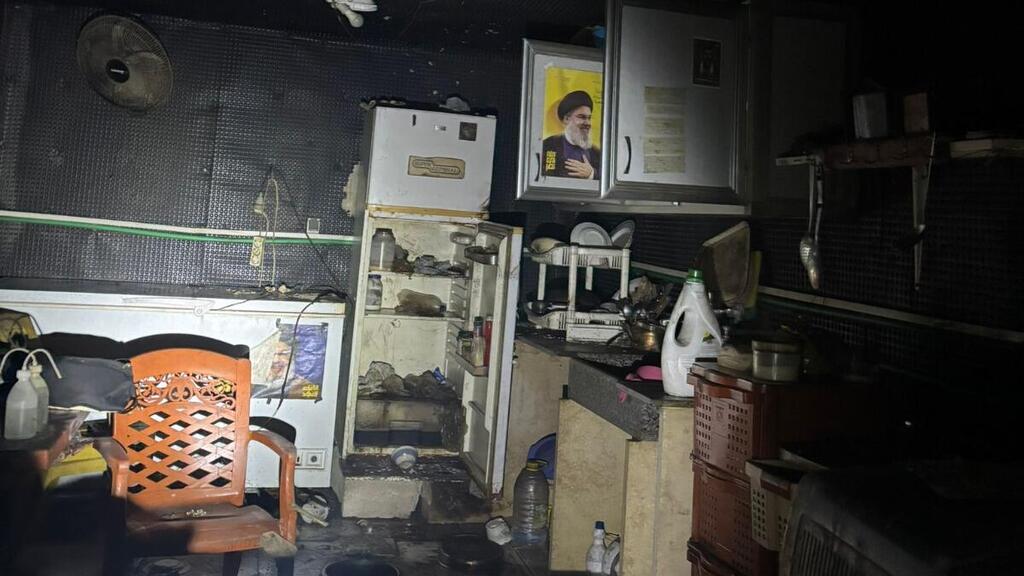
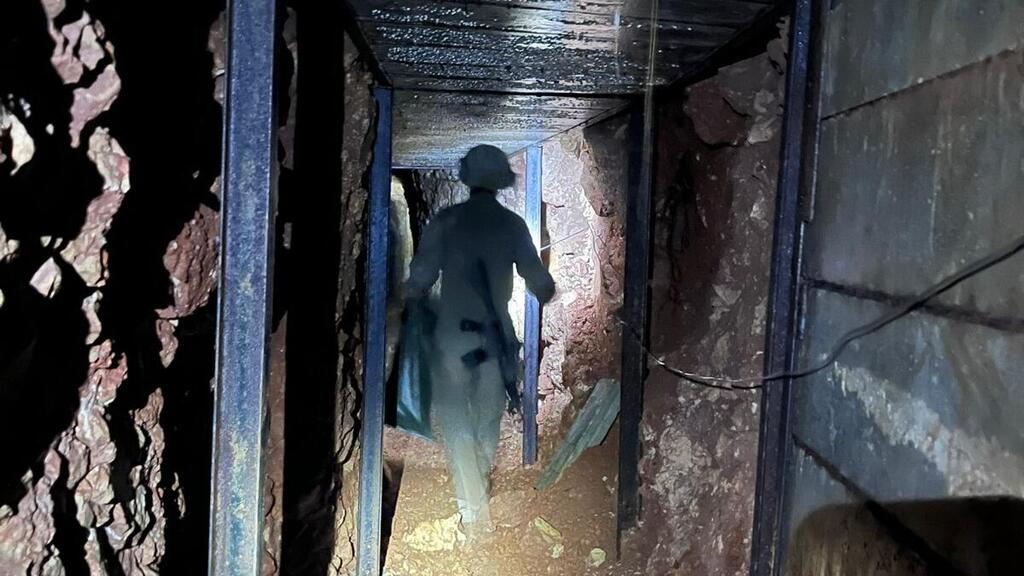
IDF troops inside tunnels beneath the Beaufort
(Photo: IDF)
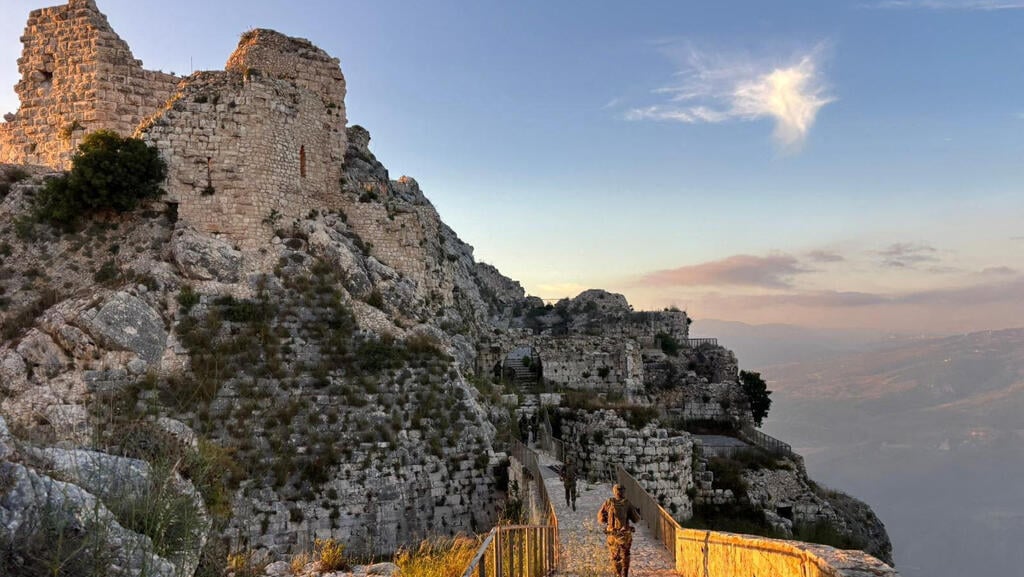
(Photo: Israeli Military/Handout via REUTERS)
Following the incident, the Hezbollah-affiliated Lebanese newspaper Al Akhbar published an article Monday claiming that Adraee had become an “undeclared partner in producing the episode,” accusing him of interfering in the wording of questions and directing the conversation from outside the studio. The newspaper also claimed that “the journalist became merely a conduit for the enemy.”
Al Akhbar described the exchange as giving Adraee “access” to the Al Jadeed studio and added that some Lebanese channels had moved from “inciting sectarian conflicts and disputes” to what it called a more dangerous stage, “hosting Israeli journalists and politicians, implementing the enemy’s dictates and violating legal prohibitions against contact with him.”
On Sunday, about a week after the IDF said it had recaptured the Beaufort fortress, IDF Spokesman Brig. Gen. Effie Defrin said troops had been operating in recent days in the ridge area to destroy a major Hezbollah underground infrastructure site.
“This is a complex, multi-level network carved deep into the rocky ground, built with full planning and funding by the Iranian terror regime over more than a decade,” Defrin said.
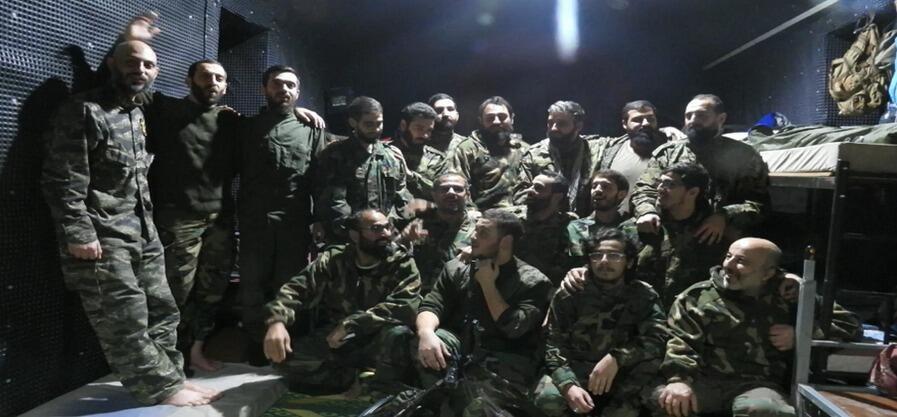
Hezbollah terrorists in a tunnel beneath the Beaufort, in an image released by the IDF
(Photo: IDF)
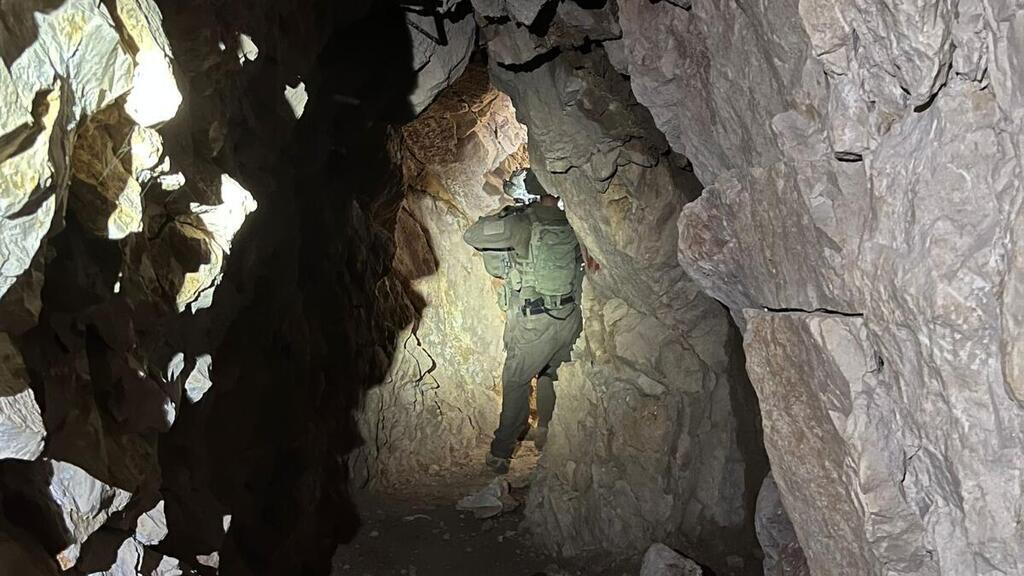
IDF operations in the Beaufort area
(Photo: IDF)
According to the IDF, the route, located about 6 kilometers from Metula, served as a major command-and-control center where hundreds of Hezbollah terrorists had been stationed. From there, the IDF said, Hezbollah operatives managed combat operations, carried out terror plans, including during the current campaign, and stored large quantities of weapons.
The IDF said hundreds of terrorists who had stayed in the compound and believed they were protected there fled when the ground assault on the ridge began. Defrin said the Beaufort’s location made the operation strategically important.
“The Beaufort is a geographic asset from which Hezbollah fired about 400 missiles at northern Israeli communities,” he said. “We are now presenting details that we could not publish until now.”
The IDF said the site was a large-scale infrastructure network whose destruction required direct ground maneuvers after airstrikes were not enough to fully neutralize it.
“We planned the operation for a long time and waited for the right operational opportunity to carry it out,” Defrin said.