

Vice President JD Vance reportedly opposed expanding the war, the chairman of the Joint Chiefs warned of dwindling interceptor stocks, and President Donald Trump ultimately stepped back, for now, from plans to authorize sweeping strikes on Iranian military targets, energy facilities and nuclear sites.
Following a New York Times report on the deliberations behind Trump’s change of course, which produced two days without exchanges of fire after 13 consecutive nights of attacks, CNN reported that Vance was among those who expressed reservations about widening the campaign.
Patriot battery hit in Iraq


A Pentagon official said the operation against Iran is currently “on hold.” Even before Trump made his decision, CBS reported that senior U.S. officials had warned that the military could not sustain its current rate of interceptor and precision-munition use for long.
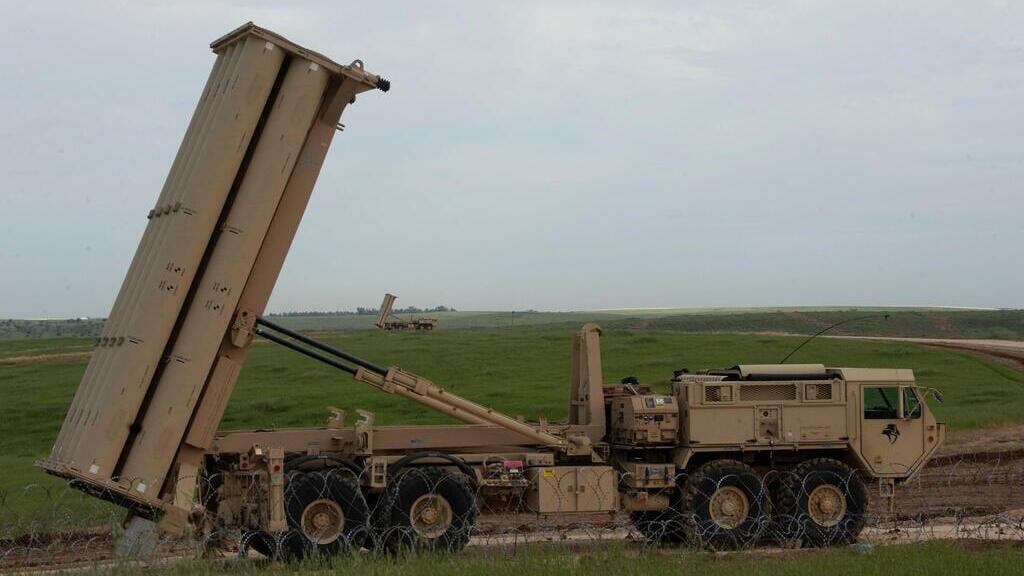
The main concern centers on Patriot and THAAD interceptors, which have been used extensively against ballistic missiles, cruise missiles and drones.
According to internal Pentagon estimates published in April, the United States had already used more than 1,200 Patriot interceptors during the war, each costing more than $4 million. Stock levels were already described at the time as troubling, and military officials say the situation has since deteriorated significantly.
Gen. Dan Caine, chairman of the Joint Chiefs of Staff, warned in closed-door discussions that the military could resume large-scale fighting against Iran, but that doing so could dangerously reduce the number of interceptors available to U.S. Central Command.
The way the United States has conducted strikes inside Iran has also changed.
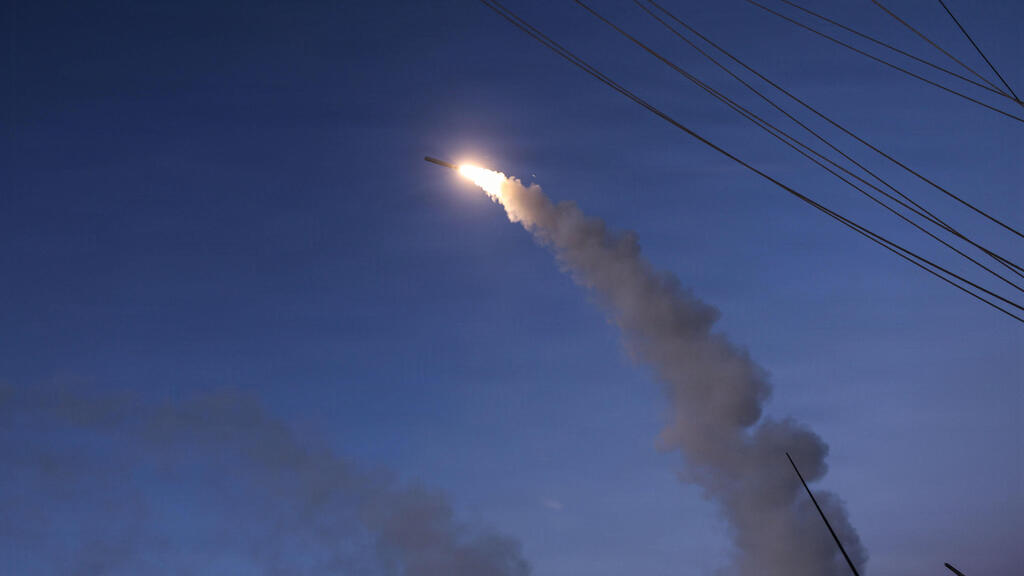
Tomahawk missile launched from the US destroyer Thomas Hudner
(Photo: AFP PHOTO / US NAVY and US CENTRAL COMMAND / HANDOUT)
At the beginning of the campaign, the military relied more heavily on long-range Tomahawk and JASSM cruise missiles. More recently, it has reduced their use and shifted toward GPS-guided bombs and shorter-range weapons, in part because strikes have increasingly focused on targets closer to Iran’s coastline.
According to a report by the Center for Strategic and International Studies, more than 1,000 Tomahawk missiles and approximately 1,100 JASSMs have already been fired. Replenishing those stocks could take nearly four years.
Meanwhile, two regional officials told CBS that talks between Oman and Iran over reopening the Strait of Hormuz and nearby shipping lanes were moving in a positive direction, though more time would be needed to reach an agreement.
Omani officials arrived in Tehran on Friday for talks as Trump decided to halt the strikes. According to the officials, the bombing was deliberately paused to avoid disrupting the sensitive face-to-face negotiations.
The halt, however, may be temporary.
Trump could still revive plans for a broad new attack on Iran, and if he does, the United States may focus on what remains of Tehran’s nuclear program.
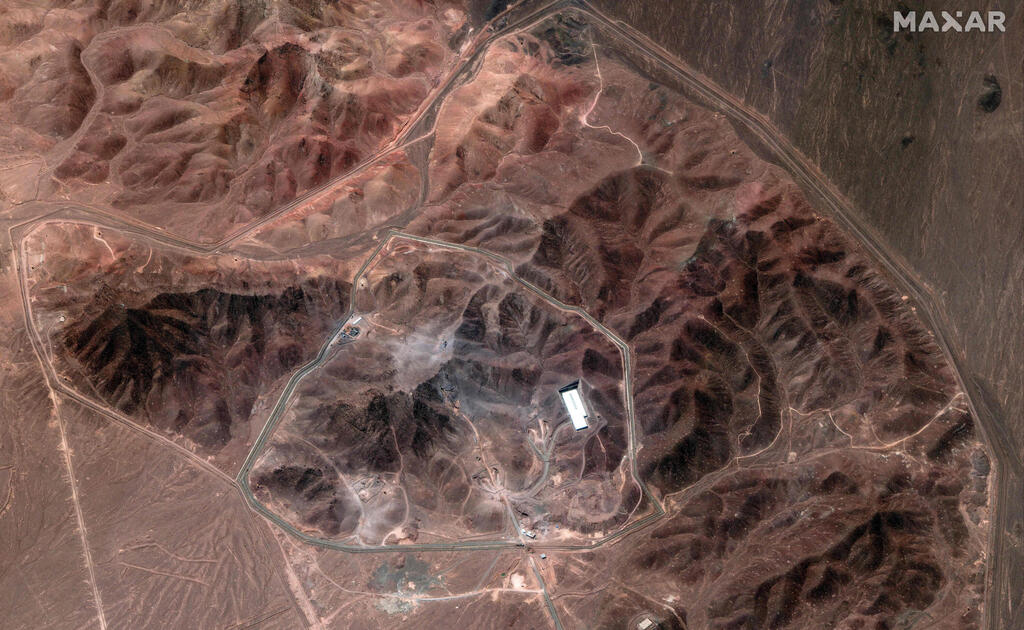
The president has already raised the possibility of striking Pickaxe Mountain, where Israeli intelligence reportedly believes Iran has stored centrifuges. But it is not the only nuclear-related site that could be targeted.
“It appears that most of the sites required to produce a nuclear weapon have already been hit,” David Albright, president of the Institute for Science and International Security and a former UN weapons inspector, told The Wall Street Journal. “But Israel may know, through intelligence, of new sites, and there may also be reason to attack old sites that are being rebuilt.”
The following are among the possible targets identified by the Journal, in addition to Pickaxe Mountain.
Taleghan 2
According to assessments by the Institute for Science and International Security based on satellite imagery, Iran has in recent months been secretly rebuilding the Taleghan 2 site inside the Parchin military complex southeast of Tehran.
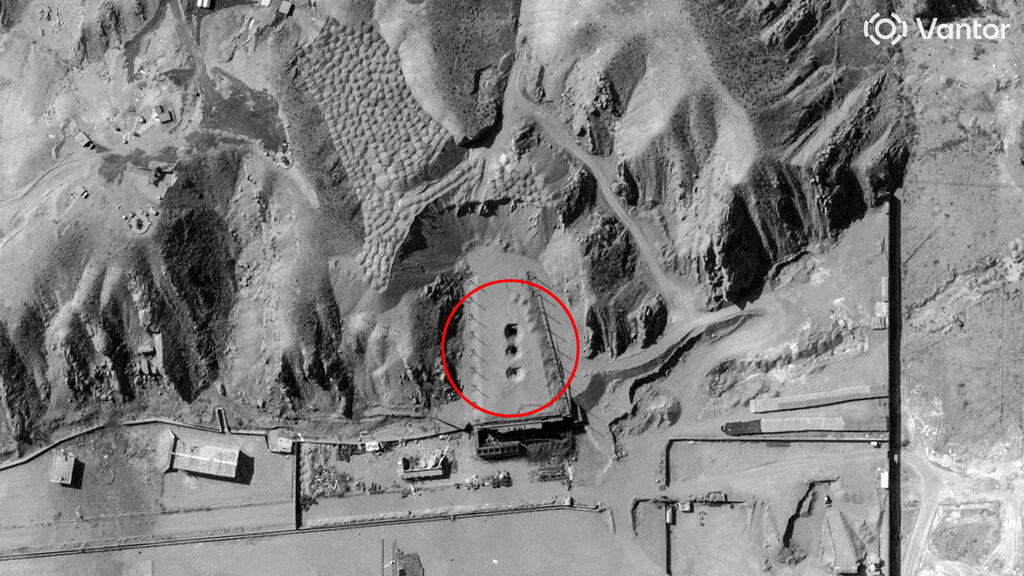
The destruction at Taleghan 2 following the March strikes
(Photo: AFP PHOTO / Satellite image ©2026 Vantor)
The site was badly damaged in an Israeli strike in October 2024 and again in March.
Taleghan 2 was part of Iran’s former program to develop a high-explosive device capable of triggering a nuclear detonation. Experts remain divided over how useful the site is to Iran today.
Isfahan
The Isfahan Nuclear Technology Center, Iran’s largest nuclear research complex, was struck by submarine-launched cruise missiles during Operation Midnight Hammer, at the end of Operation Rising Lion, when the Fordow and Natanz enrichment facilities were also attacked.
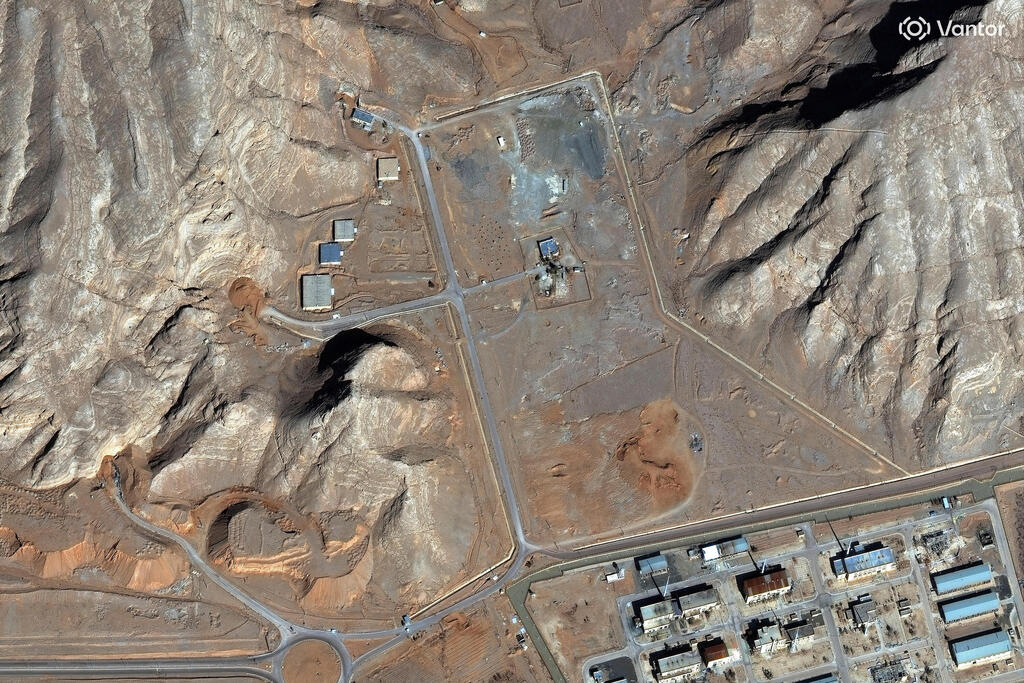
The nuclear research complex in Isfahan
(Photo: Planet Labs PBC and Vantor/Handout via REUTERS)
Since the June 2025 strikes, satellite images have shown that the tunnel complexes remain sealed. Activity has nevertheless been visible at the main aboveground site, including the presence of numerous vehicles.
Experts say the movement may be connected more to recovering materials from the site than to rebuilding its capabilities. The United States could strike again to block access to the complex.
Fordow
Six U.S. B-2 bombers caused extensive damage to the Fordow nuclear fuel-enrichment facility, located about 100 kilometers southwest of Tehran and buried roughly 90 meters underground.
Work to repair the damage at Fordow
(Photo: AFP PHOTO/ SATELLITE IMAGE ©2024 MAXAR TECHNOLOGIES)
Each bomber dropped two massive bombs toward the ventilation shafts of the underground complex.
Nearby buildings known as the Fordow support site could also become targets. The site includes facilities housing centrifuges used to produce isotopes that could be converted for uranium enrichment.

Reconstruction efforts at Natanz
(Photo: Planet Labs PBC and Vantor/Handout via REUTERS)
Natanz
The Natanz uranium-enrichment facility was attacked by the United States and Israel in 2025, and satellite imagery indicated that it was struck again in March.
Some structures that remain standing could be targeted in future attacks if the campaign resumes.