

Air raid sirens warning of incoming rockets and possible drone infiltration were activated in Kiryat Shmona and other communities in the Galilee Panhandle, shortly after similar alerts sounded in Nahariya and nearby areas in the western Galilee.
Footage from the strike on a building in the Arab El Jal


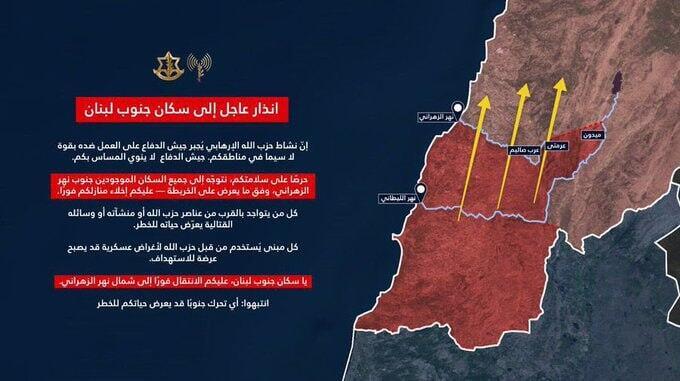
The IDF said forces from the 36th Division have joined the expanded, targeted ground operation in southern Lebanon in recent days, operating alongside the 91st Division to reinforce forward defenses, remove threats, and create an additional security layer for northern residents.
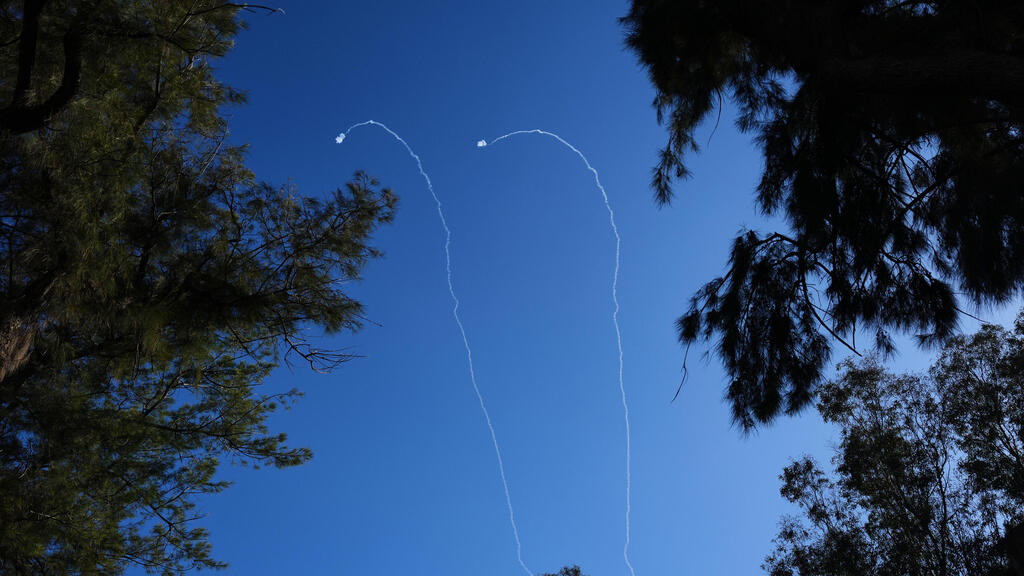
Rocket interception in the north
(Photo: Ariel Schalit/ AP)
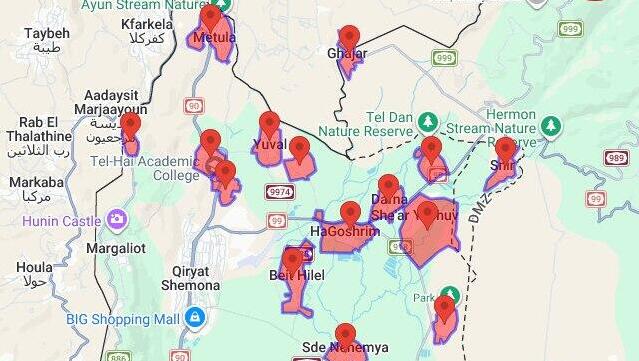
Rocket sirens in northern Israel
Before the troops entered, the military said it carried out artillery and airstrikes on numerous terror targets in the area. Separately, a residential apartment was struck overnight in the village of Aramoun in the Mount Lebanon region.
Footage from the village of Aramoun shows an apartment that was struck
Meanwhile, Western officials and analysts told The Washington Post that there is little near-term chance the war will lead to regime change in Iran or the emergence of a more democratic government, despite goals cited by Prime Minister Benjamin Netanyahu and at times by U.S. President Donald Trump.
U.S. intelligence assessments since the war began indicate Iran’s regime is likely to remain intact, and could even emerge emboldened, believing it withstood U.S. pressure, according to two people familiar with the findings.
Footage of preparations by 36th Division forces
(Video: IDF)
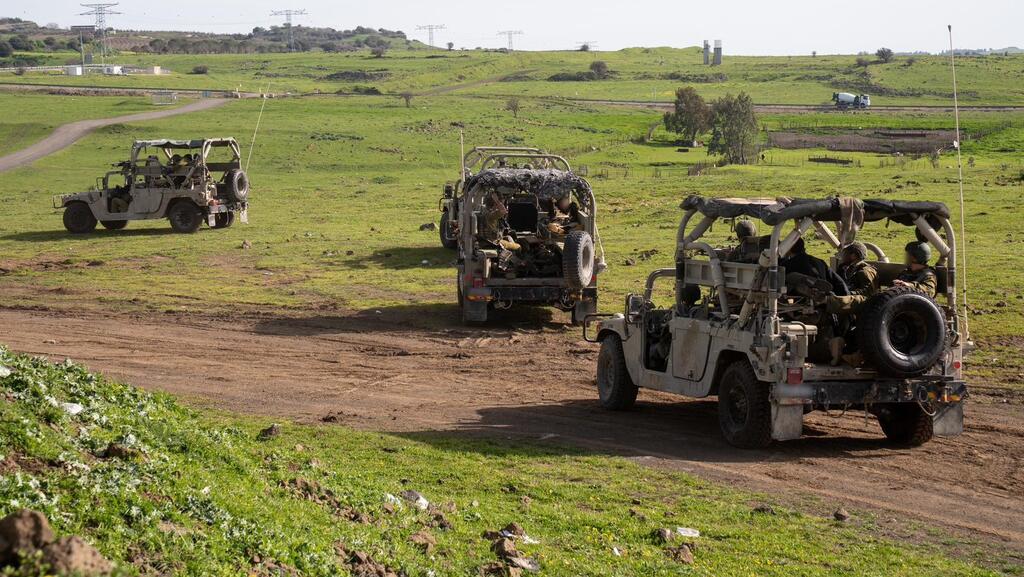
Forces from the 36th Division
(Photo: IDF)
Gulf Arab allies, meanwhile, are increasingly alarmed and angered as Iranian missile and drone attacks target their territory. One senior Gulf official said the United States “started this war for Israel and left us to face the consequences,” adding there is no clear plan for a prolonged conflict.
European officials assess the most likely outcome as a weakened but enduring system dominated by the Islamic Revolutionary Guard Corps, which would retain elements of Iran’s missile and nuclear capabilities, as well as its regional proxy network.
Iran has used its leverage over the Strait of Hormuz as a central pressure point, disrupting global energy routes and raising fears of prolonged instability in shipping. Analysts say Tehran is seeking to force de-escalation by increasing economic pressure while avoiding full-scale collapse.
Despite heavy Israeli and U.S. strikes, including attacks on military leadership and key infrastructure, there are no clear signs of fractures within Iran’s power structure. Intelligence assessments before and during the war concluded that even large-scale military action would be unlikely to topple the regime.
The IRGC, which holds significant political, military and economic power, has only tightened its grip, analysts say. The war has hardened regime supporters and weakened advocates of diplomacy, further entrenching hardline positions.
Still, some voices inside Iran have reacted differently. A human rights activist in Tehran told The Washington Post that Israeli strikes on Basij checkpoints and the killing of IRGC members had encouraged her and her peers. “Far more military personnel and regime leaders have been killed in this war than ordinary people,” she said. However, she warned that if the regime survives, “we can’t imagine life with it after the war, how dreadful that could be.”
At the same time, officials say segments of the public have rallied behind the regime. An adviser to Iranian President Masoud Pezeshkian said that while the initial wave of U.S. and Israeli strikes was more frightening than previous conflicts, people are now less afraid and “standing their ground.” He pointed to Quds Day rallies, where crowds chanted “no compromise, no surrender” and called to “fight to the end.”
“These may not be all the people in Iran,” he said, “but they are part of society.”
“The region is in flames, and the regime is still standing,” one European official said. “In some ways, it is more hardened than before.”