

“At first, you think, this isn’t the type. I’m used to a knife between the teeth, face paint,” his soldiers recall. “But once you understand where it comes from, you meet a sharp commander, courageous, always at the front, always backing you up.”
Five years after his sudden death, Col. Sharon Esman remains a defining figure for those who served under him, remembered not only for his conduct in combat but for a leadership style that combined discipline, introspection and an unusual emotional depth.
'Esman's Blend'
(A film by Alon Ben David, directed by Eran Ben Shabbat, produced by Yaniv Shahaf)


The film “Esman’s Blend,” which aired in the past and continues to circulate around Memorial Day, offers a detailed portrait of the man behind the uniform. Through testimonies from senior IDF officers, soldiers, friends and family, it reconstructs a life that moved between extremes, battlefield intensity and inner quiet, command authority and personal sensitivity.
Esman died on July 1, 2021, at age 42, after collapsing during a training exercise at a military base. He had assumed command of the Nahal Brigade just three days earlier, a role he had long aspired to reach. He is survived by his wife, Sharon, now CEO of ynet Global and at the time a senior executive in the Yedioth Ahronoth Group, and their two young daughters.
He died just three days after taking on the role he had long dreamed of, his parents, Ina and Pesach, said, pointing to their granddaughters, Emma and Alex. “This is our legacy. This is what we wake up for in the morning.”
Gallery
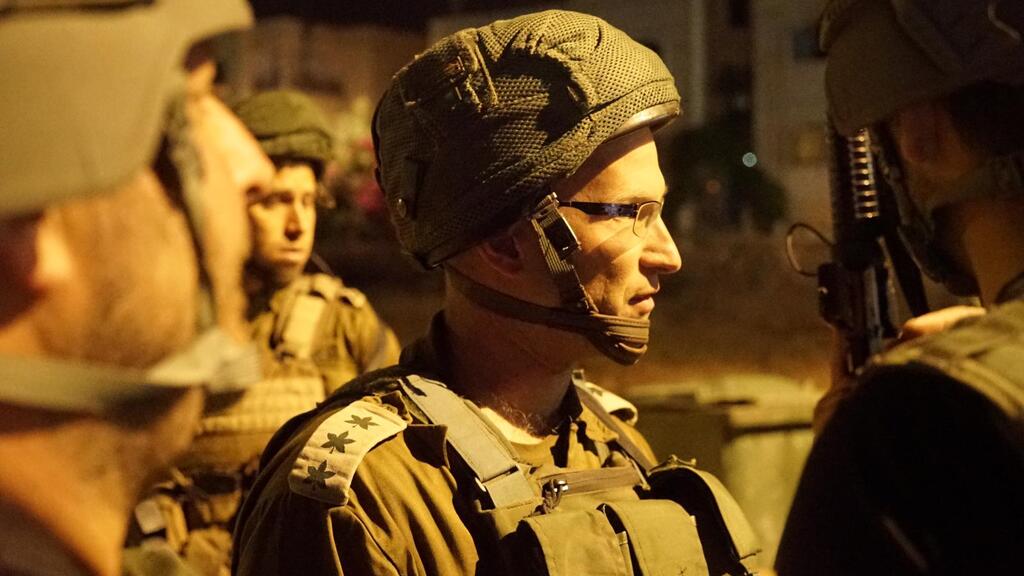
Col. Sharon Esman during operational activity as a regional brigade commander in the Jerusalem area
(Photo: IDF)
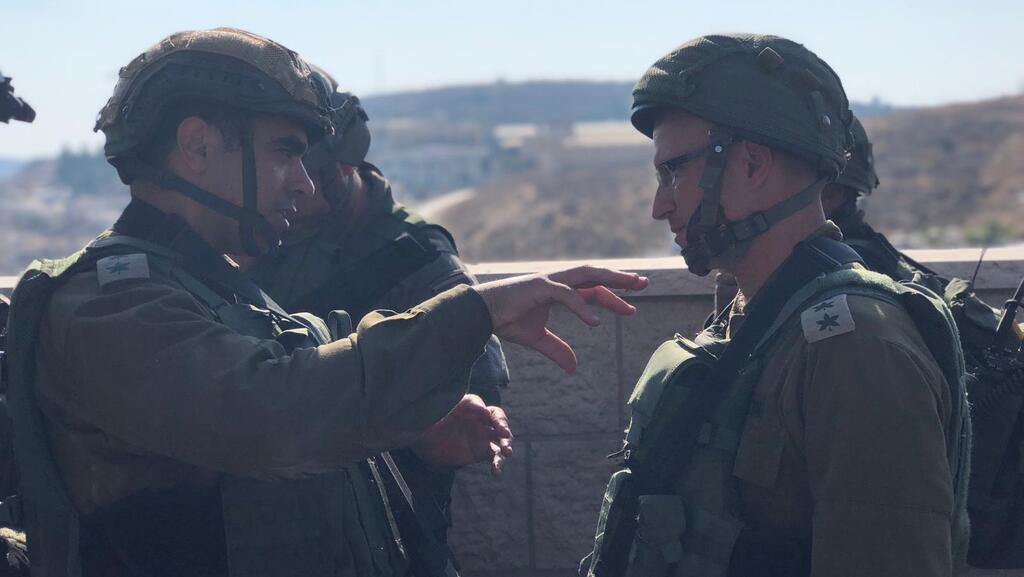
Col. Sharon Esman during operational activity in the West Bank
(Photo: IDF)
A different kind of commander
The film opens with an image that many say captures Esman’s essence. The brigade commander sits outside his room, dressed casually, practicing tai chi. Focused, composed, detached from the noise around him.
For soldiers accustomed to a more conventional image of combat leadership, it initially seemed out of place.
“At first you don’t connect to it,” those who served with him say. “You’re used to something else entirely. But when you understand where it comes from, you realize it’s the same place that produces clarity, courage and responsibility.”
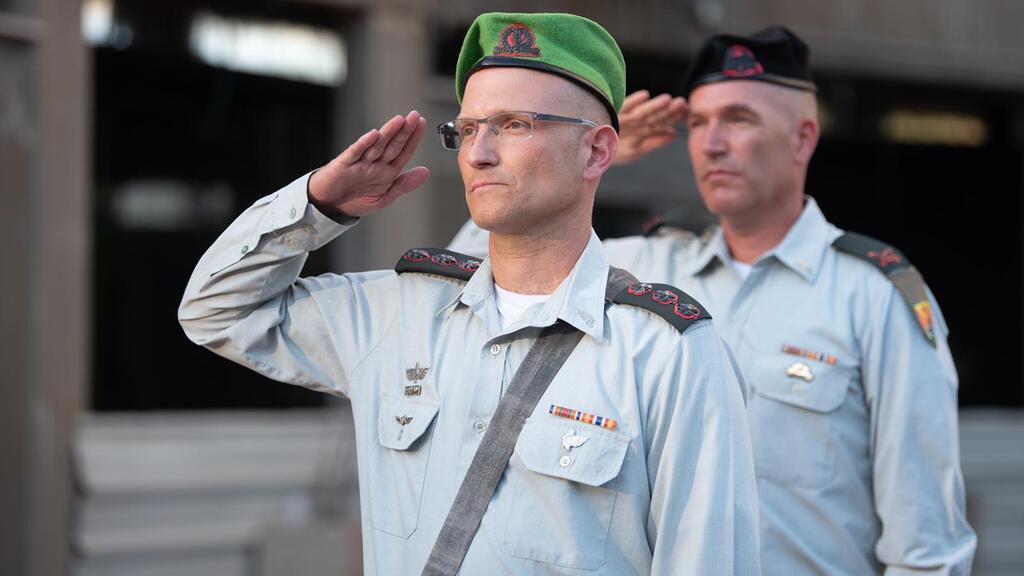
Col. Sharon Esman, at the Nahal Brigade change of command ceremony, three days before his death
(Photo: IDF)
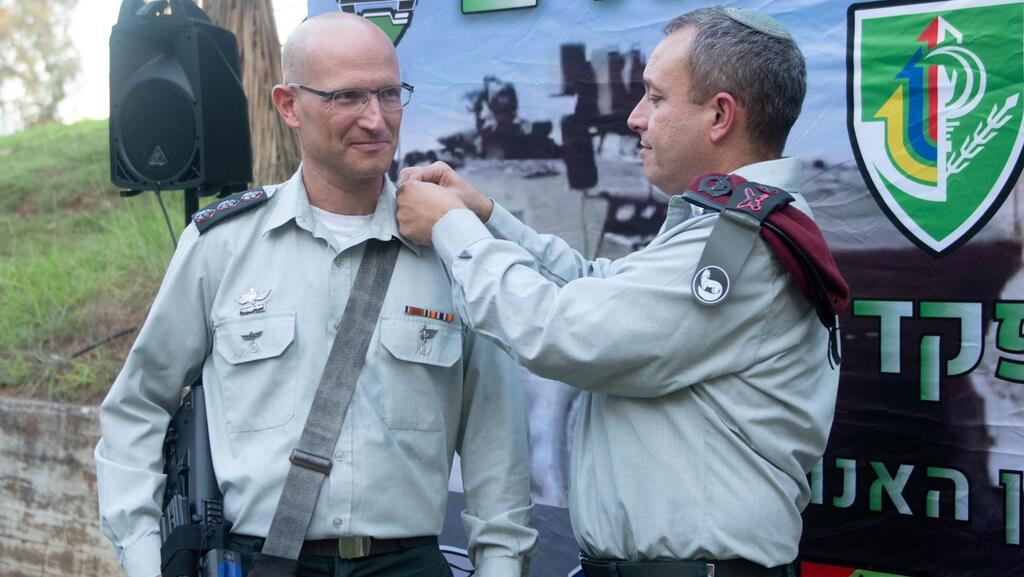
(Photo: IDF)
That internal discipline translated into a commanding presence that was both calm and decisive. Esman insisted on precision and preparation, but avoided theatrics. He led from the front, physically present in operations, while maintaining a sense of control that reassured those around him.
“What isn’t simple won’t be,” he would say, a phrase that reflected his approach to both military planning and life more broadly.

Col. Sharon Esman with his wife Sharon and their daughters Emma and Alex
(Photo: IDF, courtesy of the family)
Combat and command in Gaza
Esman’s leadership was tested most visibly during Operation Protective Edge in Gaza, when he commanded the 931st Battalion in urban combat in Beit Hanoun.
The fighting was complex and costly. Soldiers were killed, and much of the battalion’s command chain was wounded, including Esman himself. Despite his injury, he continued to lead forces in the field.
“For me, even if you’re afraid somewhere inside, you trust Esman,” recalled Maj. (res.) Liron Fox, who served as a company commander under him.
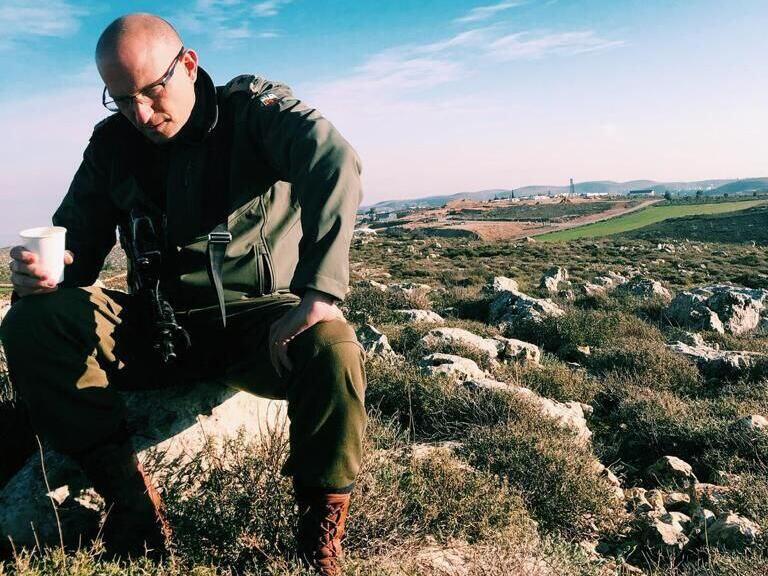
Col. Sharon Esman
(Photo: IDF, courtesy of the family)
The battalion was later awarded a citation for its performance during the fighting. For those who were there, the recognition was inseparable from Esman’s leadership.
“The battalion received the citation, but it wasn’t the battalion, it was Esman,” Fox said.
The film incorporates previously unseen footage from those battles, providing visual context to the accounts and illustrating the conditions under which decisions were made.
Leadership beyond the battlefield
Accounts in the film repeatedly return to Esman’s ability to connect with people outside strictly operational contexts. He maintained close relationships with bereaved families and remained involved in their lives long after formal obligations ended.
Colleagues describe a commander who combined strict professional standards with attentiveness to the personal struggles of his soldiers and their families.
That combination extended into his private life. Esman cultivated interests that stood in contrast to the intensity of military service, including music, cooking and wine-making. He had long planned to create his own wine, treating it not as a hobby but as another field in which to pursue excellence.
The unfinished project
Shortly before assuming command of the Nahal Brigade, Esman selected the name “Nahal” for a wine he was developing. He was already working on the blend, refining its character and identity.
He did not live to see it completed.
In “Esman’s Blend,” those closest to him take on the project after his death, gathering at a winery to produce the wine he had envisioned. The process becomes both a tribute and a way of articulating the qualities they associate with him, precision, balance and depth.
The wine was later released in a limited edition, with proceeds directed toward supporting soldiers of the brigade he commanded.
'Fear and Love' — Yehuda Ashash (lyrics: Sharon Esman)
A life interrupted
Esman’s death came at a moment widely seen as the peak of his military career. Having risen through field, command and staff positions over nearly 25 years of service, he was regarded as one of the IDF’s most respected and promising commanders.
His parents, Ina and Pesach, have spoken about the abruptness of the loss and the sense of a life cut short just as it reached a long-awaited milestone. They point to his daughters as the continuation of his legacy.
For those who served with him, the sense of unfinished potential remains central to his memory. At the same time, the accounts gathered in the film emphasize what was already achieved, both in operational terms and in the personal imprint he left on others.
The film concludes with a song written by Esman and composed by Yehuda Ashash, titled “Fear and Love,” a reflection of the dual forces that shaped his worldview.
Five years on, Esman is remembered not only through formal recognition or military history, but through the lived experiences of those who encountered his leadership, a blend of restraint, conviction and presence that continues to resonate beyond his time in uniform.