

Three men were shot and killed early Thursday in the northern Arab town of Sawaed Hamira, police and emergency services said, in the latest deadly incident amid a surge of violent crime in Israel’s Arab community.
Two of the victims, both in their 30s, were pronounced dead at the scene. A third man, about 50 years old, was rushed in critical condition to Rambam Health Care Campus in Haifa, where doctors later declared him dead.
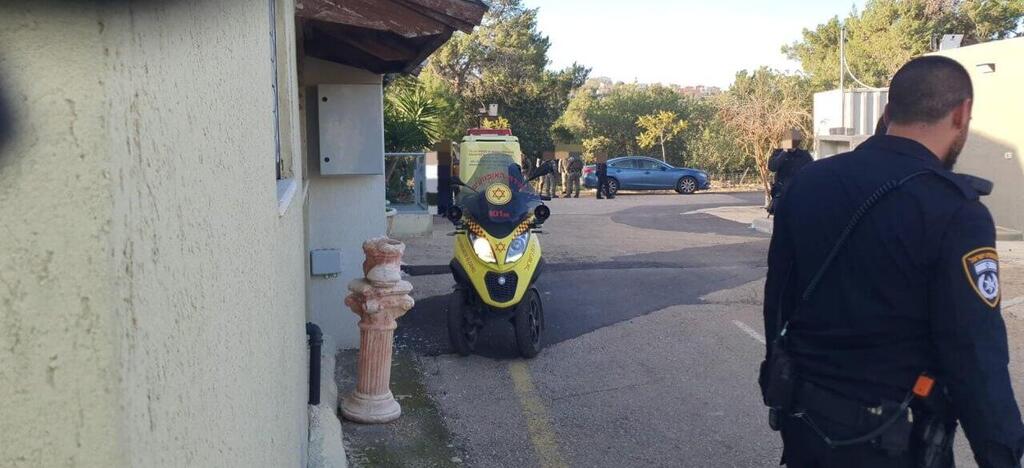
The Magen David Adom emergency service said it received a report of the shooting at 6:55 a.m. Paramedic Anwar Ka’abia and EMT Mustafa Shahadeh said they arrived to find three men, who were on their way to work, lying unconscious with gunshot wounds, without pulses or signs of breathing.
The killings come as despair deepens among the country’s Arab citizens, who have been grappling with an unrelenting wave of gun violence. Since the start of 2026, at least 33 people have been murdered in Arab towns and cities, according to figures cited by community leaders, a toll widely expected to rise further.
“We tried protests, strikes and marches — it’s like treading water,” said Dr. Walid Nasser, deputy mayor of the central Arab city of Tira. “We saw no results. The only option left is to shut everything down and stop participating in anything.”
The crisis has been discussed repeatedly in government, Knesset and police forums. President Isaac Herzog addressed the issue last week during a visit to the northern Arab city of Sakhnin, calling the fight against violence in Arab communities a “top national priority.”
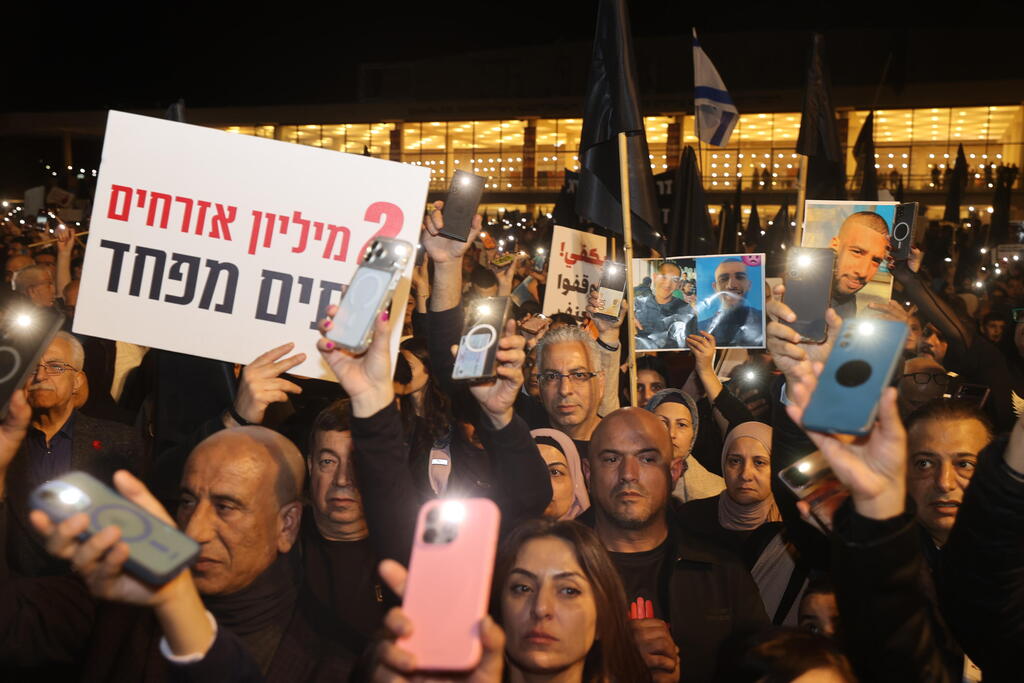
Tel Aviv rally against violent crime surge in Arab sector
(Photo: Yariv Katz)
But many residents say they have lost hope. “Every time I leave home to shop, I thank God if I return alive,” said a resident of Nazareth. “People live with one thought — either you keep living, or you end up in a grave.”
Beyond the statistics, families of victims describe lives shattered by loss and the lack of justice. Walid Hamouda of the northern town of Jadeidi-Makr said his son, a municipal engineer, was murdered in 2024 and the case remains unsolved.
“Every time I ask the police about my son’s murder case, the answer is always unclear,” he said. “If a Jewish engineer had been murdered, we would have seen rapid developments. We live in a constant state of anxiety after every killing. When engineers, doctors, sheikhs, children and women are murdered, it means security has vanished.”
Similar pain was voiced by Assil Qassem, whose son was shot dead this week near Kfar Warburg in central Israel. “This murder shattered our lives,” he said. “I never expected that one day I would lose my only son. I raised him for 20 years, and they took his life in seconds.”
Fatma Hijazi from the Galilee town of Mazra’a said she frequently visits the mother of her neighbor, Dr. Abdullah Awad, who was killed last year. “The mother cries for him nonstop,” Hijazi said. “It reached a point where his photos were taken down from the walls because she wakes up at night and talks to him. Our situation is extremely dangerous — murder has entered every home. Every day I wake up and pray that I return to my family healthy, because people leave and come back dead.”
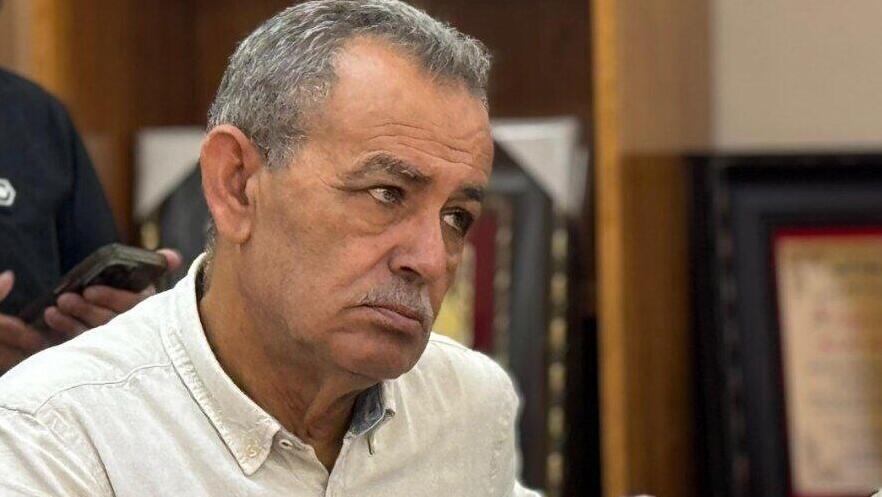
Jamal Zahalka
Anger in the Arab community is largely directed at the police, whom many accuse of failing to solve cases or deter crime. Jamal Zahalka, former lawmaker and head of the High Follow-Up Committee for Arab Citizens of Israel, blamed National Security Minister Itamar Ben-Gvir, who oversees the police.
“The number of victims has risen during Ben-Gvir’s term,” Zahalka said. “I don’t understand how someone who supported the slogan ‘Death to Arabs’ can serve as minister.”
Zahalka said protests and car convoys like those held in Tel Aviv last weekend would continue, and that the committee would attempt mediation between feuding families to stem the bloodshed.
For many residents, however, the focus remains painfully simple: surviving long enough not to become the next victim.