

Polling stations opened across Morocco on Wednesday for parliamentary elections taking place against a backdrop of deep frustration among millions of young people in a country whose economy is growing but where unemployment and inequality remain persistent problems. Nearly a year after unusual Gen Z-led protests were met by a sweeping crackdown, the discontent resurfaced dramatically this summer when tens of thousands of people crossed from Morocco into the Spanish enclave of Ceuta in hopes of reaching Europe.
Morocco is a constitutional monarchy headed by King Mohammed VI, who retains extensive authority over strategic policy, particularly foreign affairs and defense. The election therefore is not expected to fundamentally alter the balance of power in Rabat, but it will determine the government responsible for much of the country’s day-to-day policymaking over the next five years.
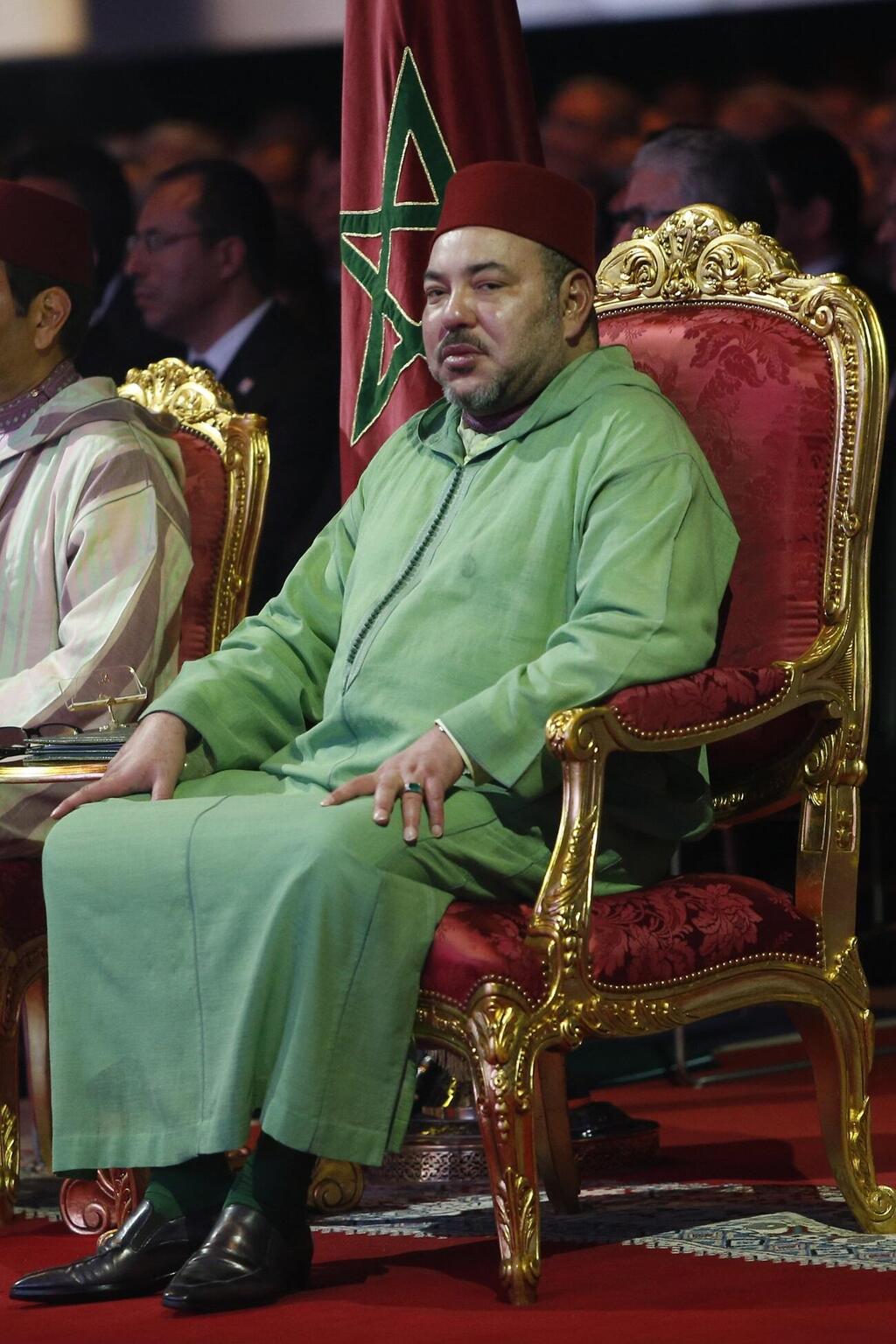
King Mohammed VI
(Photo: AP)
That government will also oversee the final stages of a vast infrastructure drive ahead of the 2030 FIFA World Cup, which Morocco will co-host with Spain and Portugal. The International Monetary Fund estimates investment in transportation and tourism infrastructure through 2030 at about 190 billion dirhams, or roughly $20 billion, including railways, airports, stadiums, roads and projects in host cities. The scale of the undertaking has led some Moroccans to dub the next administration the “World Cup government.”
Under Morocco’s constitution, adopted after the 2011 Arab Spring protests, the king must appoint the prime minister from the party that finishes first in the parliamentary election. The 395-seat House of Representatives is elected, and the prime minister then seeks to assemble a coalition, but the monarch retains decisive influence over strategic policy and presides over the Council of Ministers.
Voting began at 8 a.m. local time and was due to end at 7 p.m., with preliminary results expected the following day. Turnout, particularly among younger voters, is being closely watched as a gauge of public confidence in elected institutions. Of about 26.7 million Moroccans of voting age, roughly 15.8 million are registered to vote. Only 4% of registered voters are aged 18 to 24.
The numbers reflect a broader political challenge. Morocco has attracted foreign investment, developed major industries and become Africa’s most-visited tourist destination, but the benefits of growth have been uneven. Youth unemployment among those aged 15 to 24 reached about 37% in 2025.
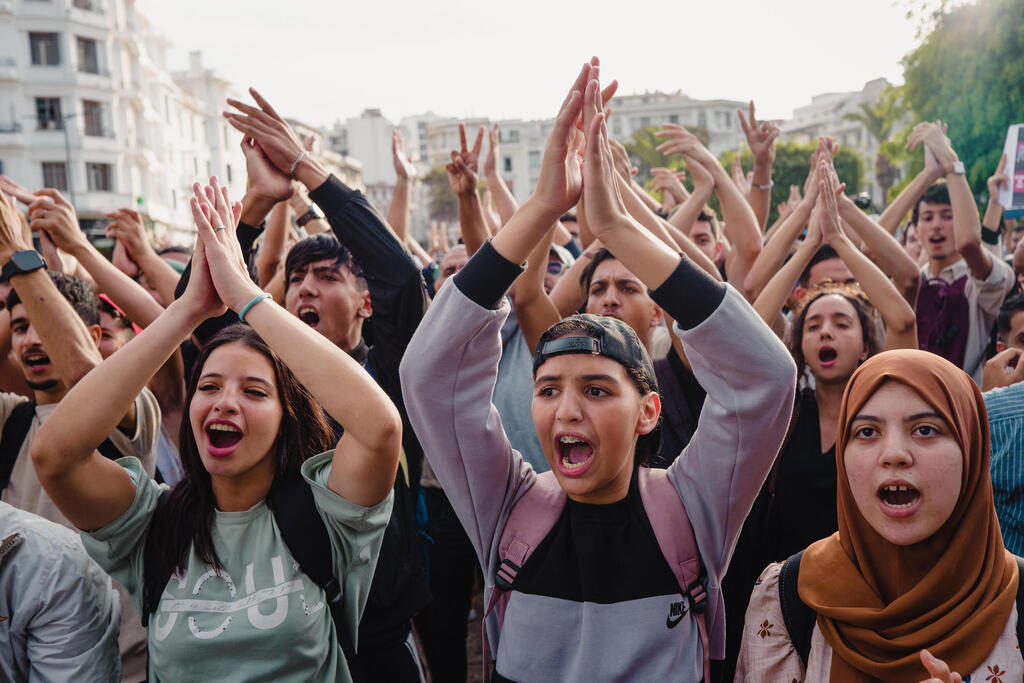
That frustration erupted in September and October 2025 in Gen Z-led demonstrations demanding better healthcare, education, employment opportunities and social justice, as well as the resignation of Prime Minister Aziz Akhannouch. Thousands were arrested or prosecuted following the unrest.
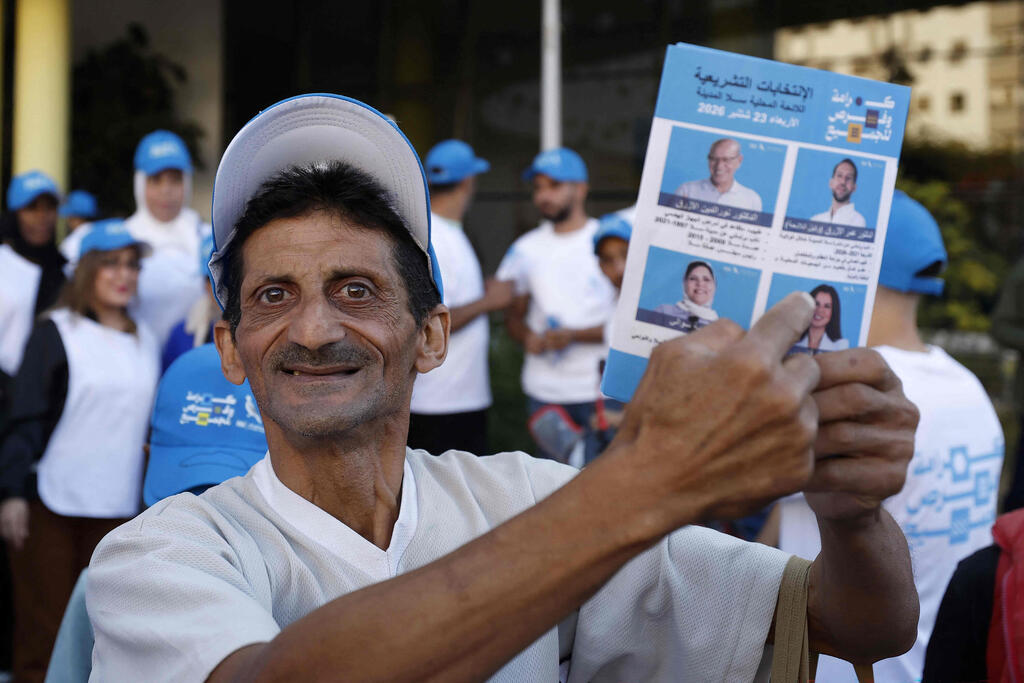
Supporters of Morocco’s ruling RNI party, which has pledged to create another 1 million jobs
(Photo: Abdel Majid BZIOUAT / AFP)
(Photo: Abdel Majid BZIOUAT / AFP)
The crackdown did not eliminate the underlying discontent. At the end of July, roughly 70,000 people crossed or attempted to cross into Ceuta by land and sea in one of the largest such movements into European territory in years. Ceuta’s leader later told European lawmakers that about 100 people had died during the rush. Most of those who entered were subsequently returned to Morocco.
Ayoub Lasli, a lifeguard from Casablanca who was among the young Moroccans who swam into Ceuta, told The Associated Press he had no intention of voting. “I don’t care about politics and elections, and I don’t want to care,” he said.
Siham Azeroual, a 32-year-old environmental activist from the Atlas region, voiced similar frustration, describing the political system as a “complete circus” and saying she had little hope that the election would bring meaningful change.
Others remain more optimistic. Ayoub Belaidi, 23, who also tried to reach Ceuta, said the Gen Z movement could still translate into political change if younger Moroccans are genuinely heard. “Following the Gen Z movement, if young people’s voices are truly heard, change will happen,” he told AP.
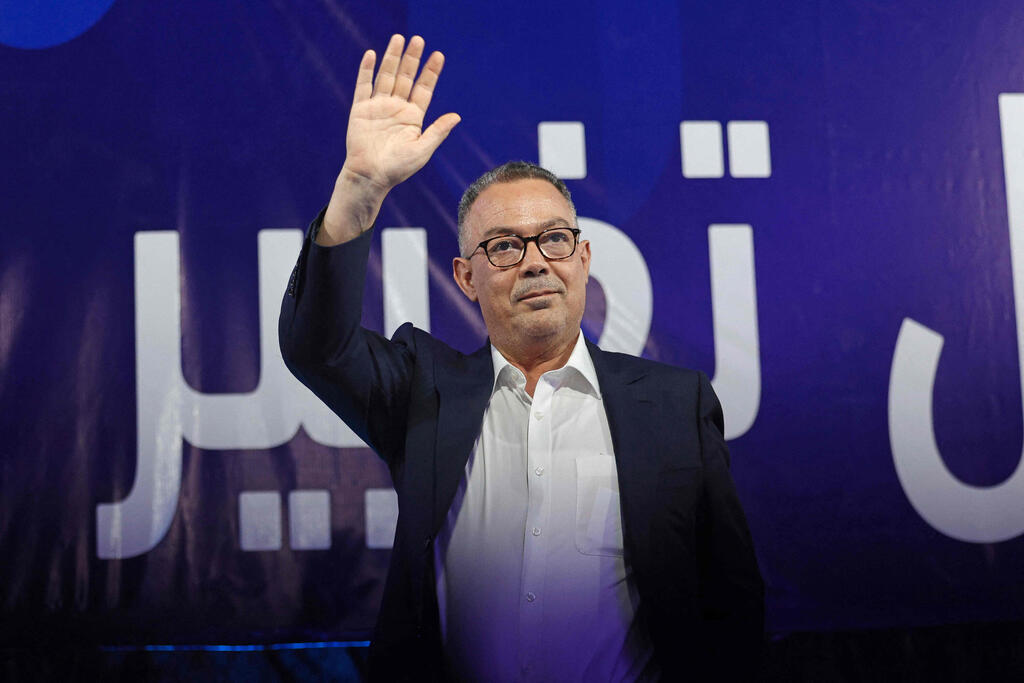
One of the candidates for prime minister: Royal Moroccan Football Federation President Fouzi Lekjaa, who gained widespread admiration after Morocco’s historic run at the 2022 World Cup
(Photo: Abdel Majid BZIOUAT / AFP)
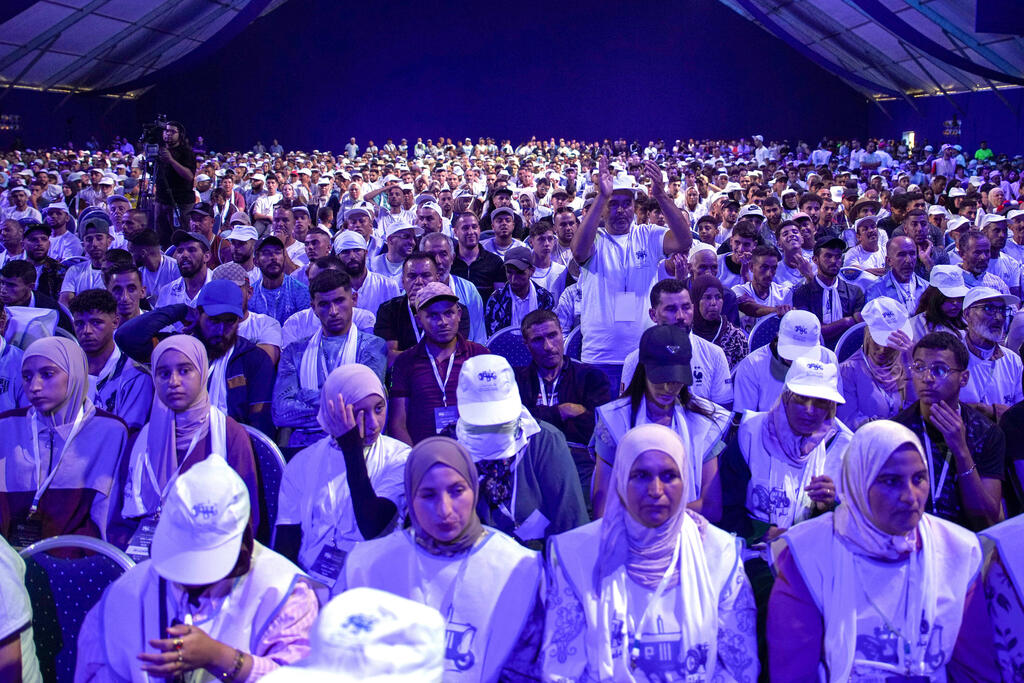
Supporters of the PAM party, which Lekjaa recently joined
(Photo: AP Photo/Mosa'ab Elshamy)
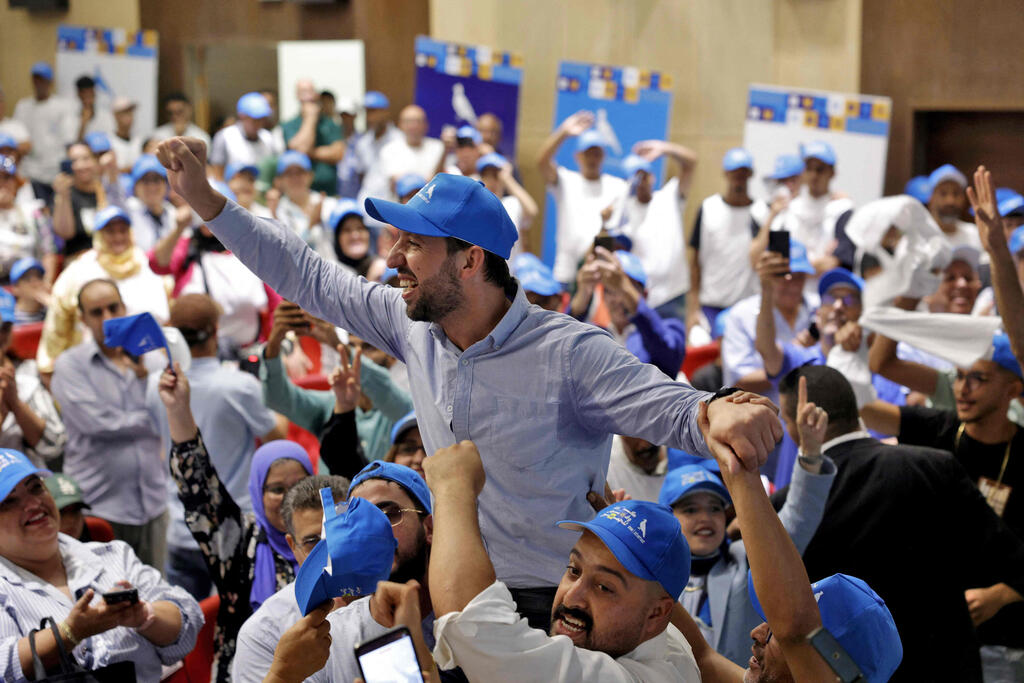
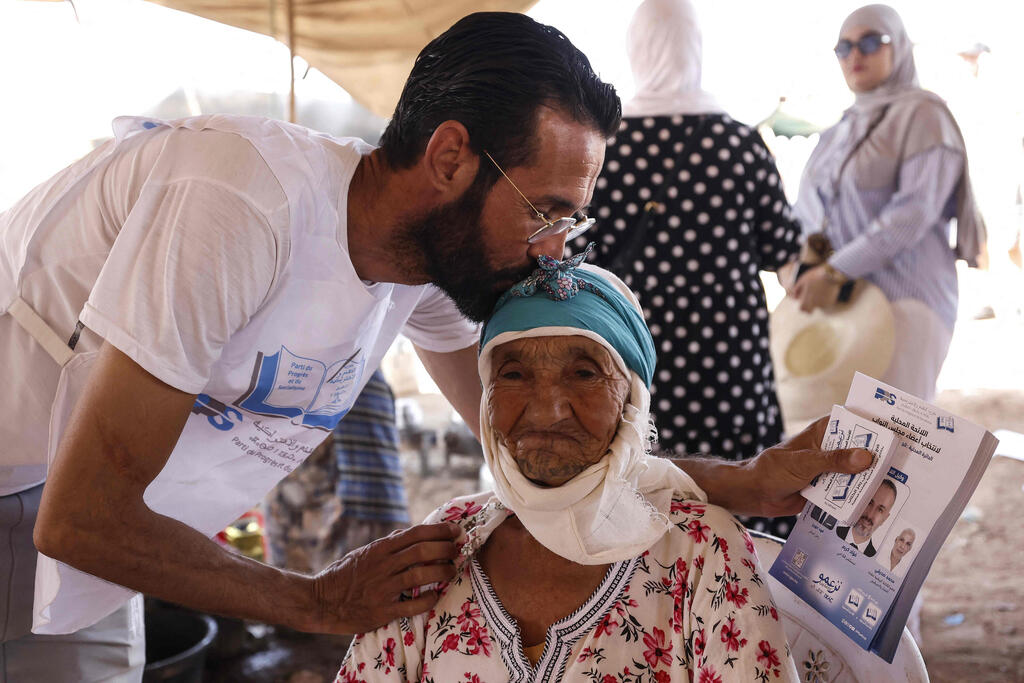
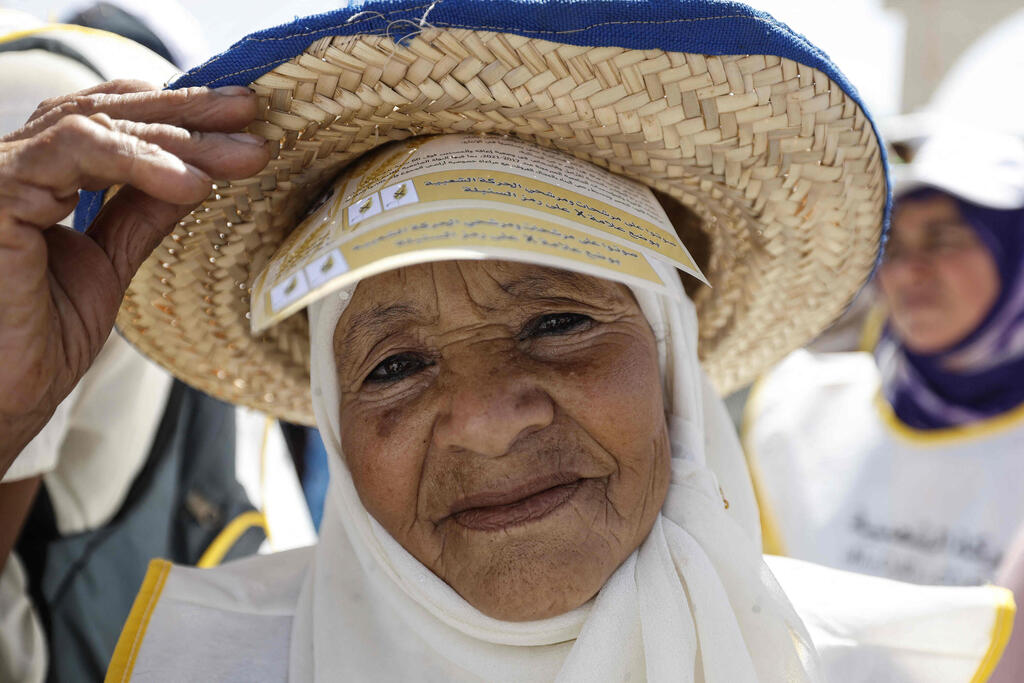
Economic concerns have dominated much of the campaign. The National Rally of Independents, or RNI, and the Authenticity and Modernity Party, or PAM, both members of the outgoing governing coalition, have promised major employment initiatives. The RNI has pledged to create 1 million jobs over five years, while PAM has also made employment, housing and purchasing power central to its platform. The two parties have nevertheless traded accusations over rising food prices and other government shortcomings.
Prime Minister Aziz Akhannouch, the billionaire businessman who has led the government since 2021, is not seeking another term after stepping down from the leadership of the RNI earlier this year.
That has opened the question of who might emerge as Morocco’s next prime minister. One of the most closely watched names is Fouzi Lekjaa, Morocco’s budget minister and president of the Royal Moroccan Football Federation. Lekjaa, who became nationally prominent as Moroccan soccer enjoyed unprecedented international success, joined PAM’s political bureau in July.
Lekjaa’s profile rose sharply after Morocco became the first African and Arab team to reach a World Cup semifinal in 2022, and his role in preparations for the 2030 tournament has made him an unusually prominent figure in both sports and government.
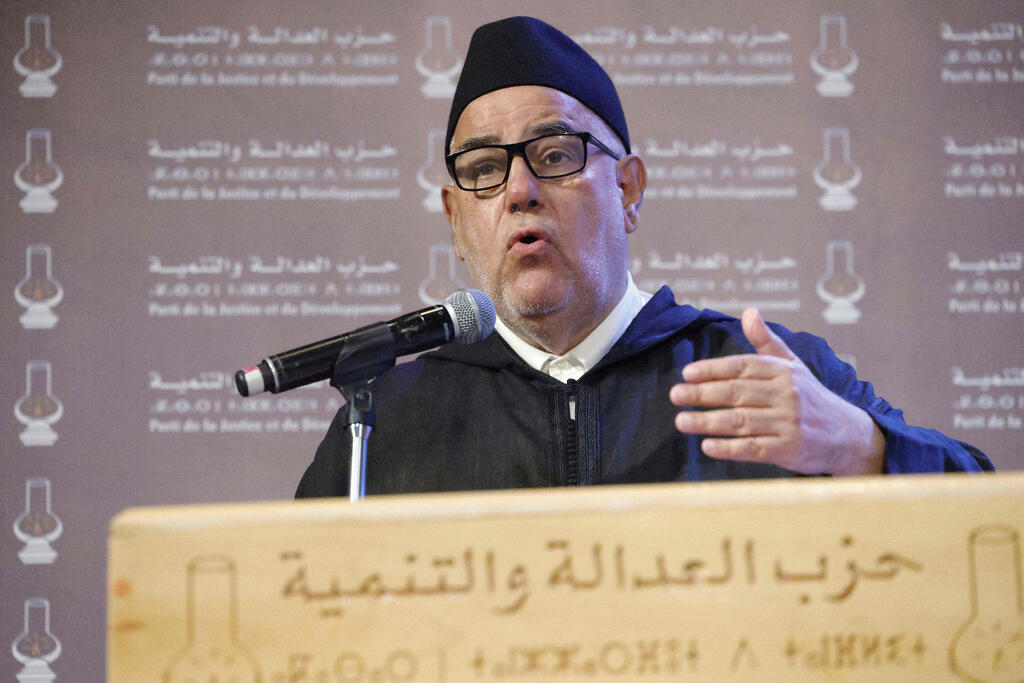
Islamist PJD leader and former prime minister Abdelilah Benkirane
(Photo: AP Photo/Mosa'ab Elshamy)
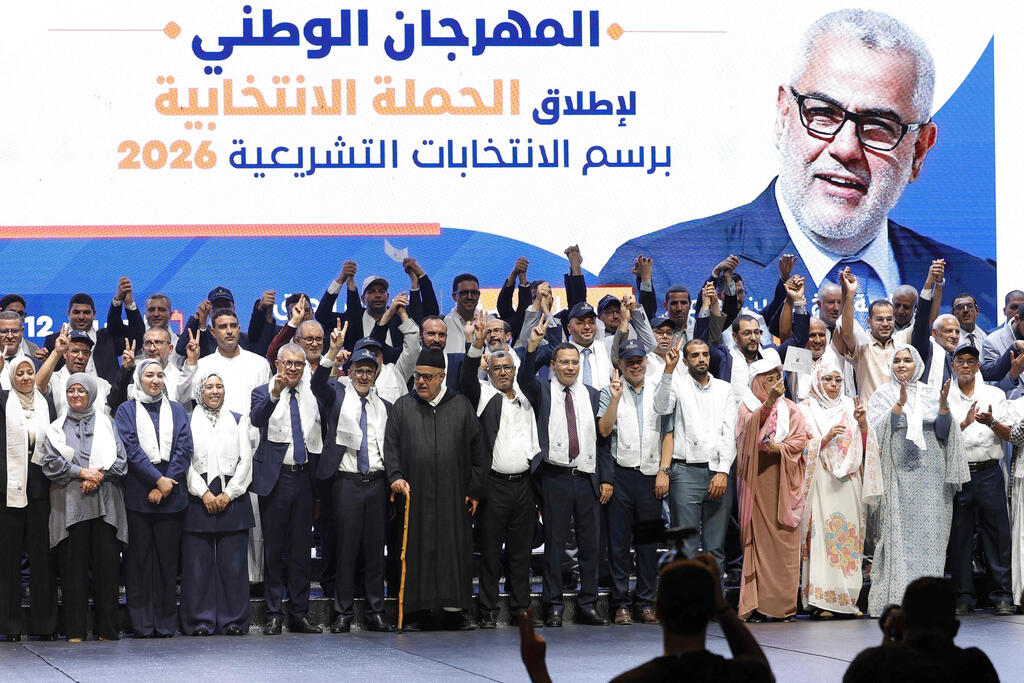
(Photo: AP Photo/Mosa'ab Elshamy)
But at one PAM rally, supporters openly backed another possibility. “We want a woman as prime minister,” activists shouted, referring to Fatima-Zahra Mansouri, 50, the mayor of Marrakech and urban planning minister. If PAM finishes first and the king chooses Mansouri, she would become the first woman to serve as Morocco’s prime minister.
Another potential candidate is Nizar Baraka, leader of the conservative Istiqlal Party and Morocco’s water minister. Baraka is the grandson of a prominent figure in the country’s independence movement, and supporters portray his party as a defender of traditional Moroccan values.
Former Prime Minister Abdelilah Benkirane is also seeking a political comeback. Benkirane leads the Islamist Justice and Development Party, or PJD, which suffered a crushing defeat in the 2021 election, collapsing from 125 seats to just 13 after years as the dominant force in government.
Israel has become a prominent theme in the PJD’s campaign. Morocco normalized relations with Israel in 2020 while the PJD headed the government, as part of the U.S.-brokered Abraham Accords. Benkirane has since called that decision a “mistake” and is campaigning for the relationship to be severed.
(Photo: Abdel Majid BZIOUAT / AFP)
(Photo: Abdel Majid BZIOUAT / AFP)
The campaign comes just days after Morocco and Israel agreed to deepen their ties, including plans to elevate their diplomatic missions to full embassies, appoint ambassadors, expand flights and pursue additional economic agreements. The measures were announced after Moroccan Foreign Minister Nasser Bourita and Israeli Foreign Minister Gideon Sa’ar met in New York in talks hosted by U.S. Ambassador to the United Nations Mike Waltz.
At a campaign rally in Marrakech, Benkirane warned supporters about what he called “the dangers of Israel and Zionism in Morocco.”
“We have to speak up,” he said. “If we work hard, the king will close the Israeli embassy. The king does not like going against his own people.” The remarks also underscored the limits of what any election result can change: foreign policy ultimately remains under the king’s authority.
More than two dozen political parties are competing for the 395 parliamentary seats, but some groups argue that the limited authority of elected institutions makes participation meaningless.
The far-left Democratic Path has called for a boycott, arguing that the vote does not meet what it describes as the “minimum conditions of democracy and fairness.”
“The elections will not give us a parliament that expresses people’s will, and the government will not have any decision-making power,” party leader Jamal Berrajaa said, adding that more than 30 party members had been arrested after urging people not to vote.
Al Adl Wal Ihsane, an Islamist movement that is banned but tolerated by authorities, has issued a similar call. “Elections in Morocco are used to produce sham institutions that cannot perform their functions,” said Abdelwahed Moutawakkil, head of the organization’s political department.
For Morocco’s political establishment, the immediate question is who will form the government charged with steering the country through the massive preparations for 2030. For many of its young citizens, however, the more fundamental question is whether voting can change the conditions that drove thousands into the streets last year and tens of thousands toward Europe this summer.