


Yom Kippur is widely seen in Israel as a quiet, safe and unusual day, when the country’s roads largely empty of cars and become a vast urban cycling route for adults, teenagers and children. But behind the seemingly peaceful image of deserted streets lies a troubling reality: Hundreds of people are injured in road accidents during the holiday each year.
Data from Israel’s National Road Safety Authority show that over the past decade, 1,959 people were injured in 1,389 road accidents that occurred on the eve of Yom Kippur and during the holiday itself. The crashes killed 17 people and left another 100 seriously injured.
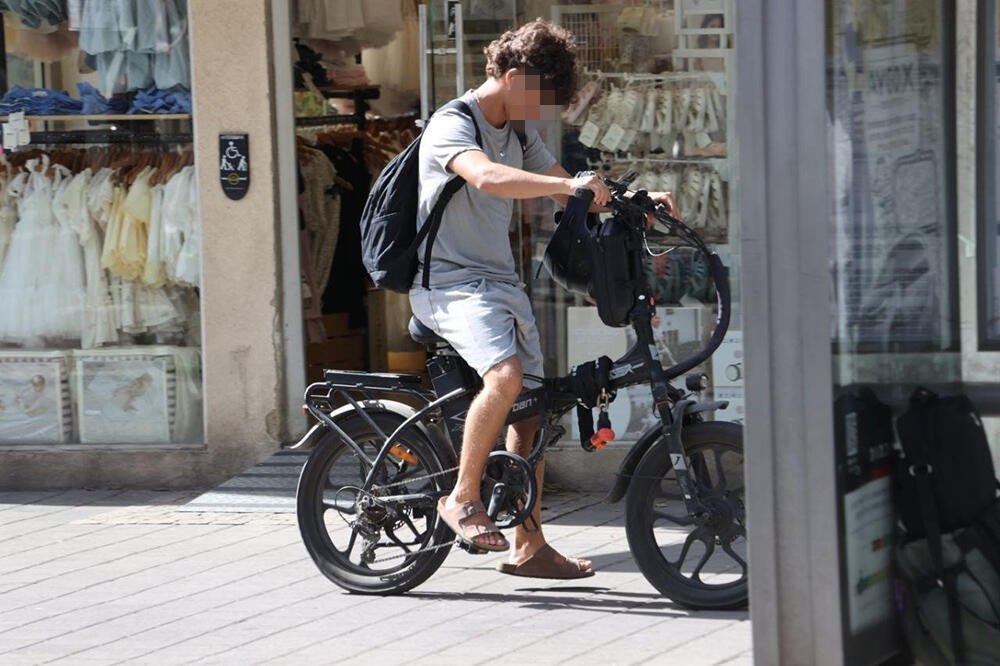
'Every Yom Kippur, emergency departments treat children and teenagers injured while riding'
(Photo: Moti Kimchi)
The figures for last year were also concerning. On Yom Kippur 2025, 204 people were injured in 148 road accidents, including two people who were killed and 13 who were seriously injured. That was above the multiyear average of 195 casualties in 138 accidents.
The National Road Safety Authority says the most sensitive and dangerous periods are the hours just before the fast begins and immediately after it ends. During those times, traffic patterns change sharply and quickly, and pressure and congestion lead to a marked increase in serious road accidents.
Gili Cohen, director general of the National Road Safety Authority, warned that Yom Kippur is a day when road conditions change completely but the risk of crashes and injuries remains.
He said it is particularly important to remember that during the fast itself, many of those injured are children and teenagers, pedestrians and riders of small vehicles. Even when roads are quieter, he said, people should not lower their level of caution. He urged parents, children and all road users to act responsibly, keep a safe distance, slow down and remain alert even in places where there appears to be no traffic.
The goal, Cohen said, is simple: for Yom Kippur to pass safely and for everyone to return home safely.
National Road Safety Authority data also show that over the past decade, 43 people were killed or seriously injured in accidents that occurred during the fasting hours alone. The vast majority were children and young people ages 0 to 19, and nearly half of them — 20 people — were pedestrians or riders of small vehicles.
Hospital medical teams see the consequences of such accidents every year.
Prof. Neta Cohen, head of pediatric trauma services at Dana-Dwek Children’s Hospital at Ichilov Medical Center, said that every Yom Kippur, emergency departments treat children and teenagers injured while riding bicycles, electric vehicles and, in some cases, in collisions with motor vehicles.
The injuries can range from bruises and fractures to head injuries and severe, life-threatening trauma, she said. Head injuries are among the injuries that concern doctors most. A helmet cannot prevent a crash, Cohen said, but it is an important form of protection that can reduce the risk of severe head injury, making it important to wear one even when riding a regular bicycle.
Cohen also urged parents not to become complacent, warning that quieter roads should not be mistaken for completely safe ones.