


Global corruption is at its worst level in a decade, and Israel’s standing has also deteriorated, according to the 2025 Corruption Perceptions Index, which focused this year on the link between corruption and the erosion of democratic values.
Israel scored 62 points, down two points from last year, placing it 35th out of 182 countries. In the previous index, Israel ranked 30th. The index ranks countries from least corrupt to most corrupt, with No. 1 considered the cleanest.
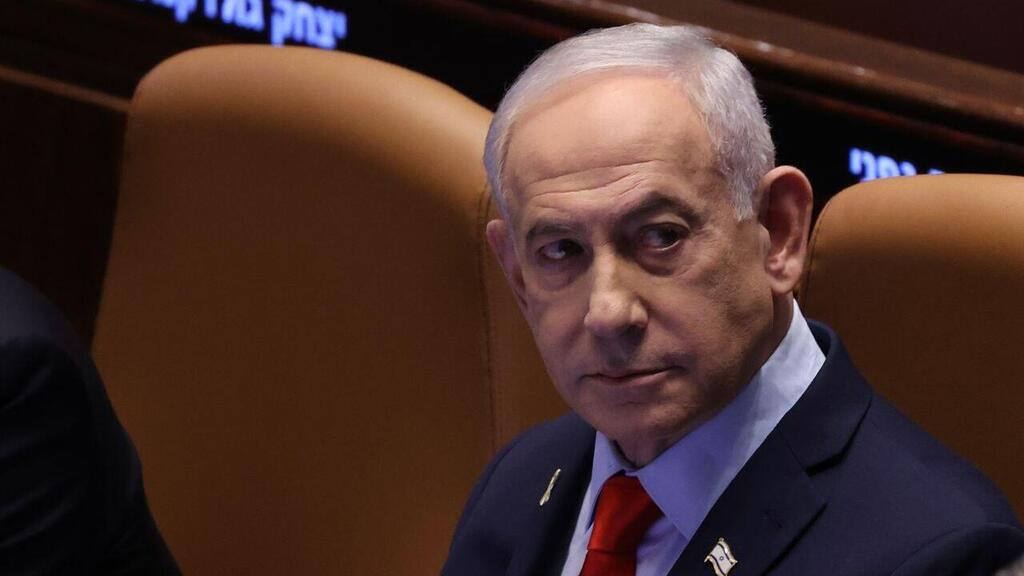
Despite the decline, Israel’s position remains slightly better than in 2021, when it ranked 36th and, for the first time, fell below a score of 60. That year, Israel received 59 points, uncomfortably close to the score of 50, considered the “red line” below which countries are viewed as highly corrupt. More than 140 countries fall below that threshold. Over the past decade, Israel’s score has ranged between 59 and 64.
As in previous years, Denmark ranked as the least corrupt country in the world, with a score of 89, followed by Finland with 88, Singapore with 84 and New Zealand with 83. Norway rose to fifth place with 81 points. The top 10 also included Sweden, Switzerland, Luxembourg, the Netherlands and Germany.
Britain ranked 20th, the United Arab Emirates 23rd, France 27th and Lithuania 28th. The United States placed 30th, a position Israel held last year, followed by Chile at 32nd and South Korea at 33rd. Lithuania, Chile and South Korea were all ranked below Israel last year but have now overtaken it. Israel now sits just six places above Qatar and nine above Saudi Arabia.
China ranked 75th, Turkey 127th, Iran 154th and Russia 158th. North Korea placed 172nd, one spot above Syria. South Sudan ranked last, preceded by Somalia, Venezuela, Libya and Yemen, all countries marked by instability and internal conflict.
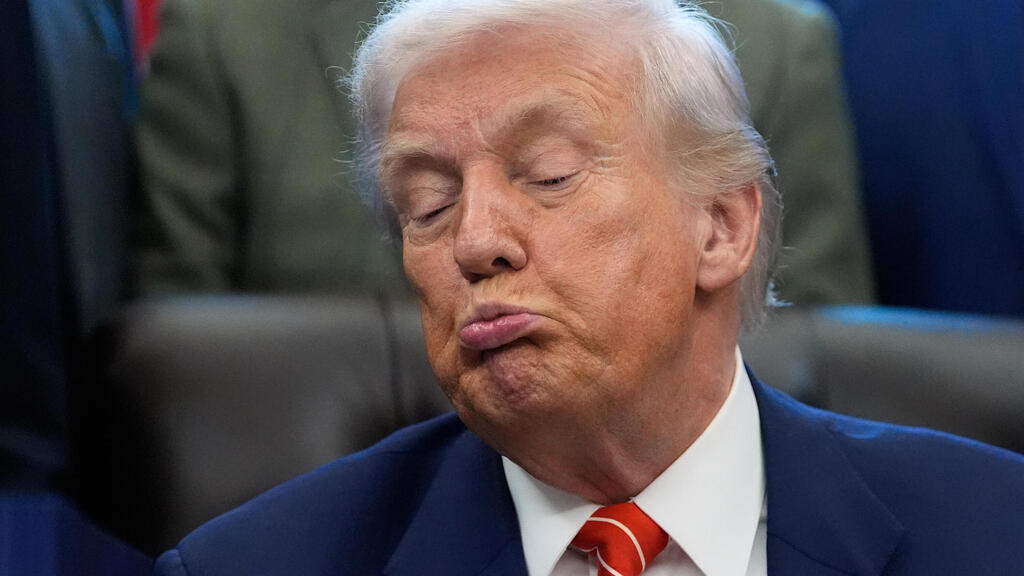
US also slips. Donald Trump
(Photo: AP/Alex Brandon)
The Corruption Perceptions Index, published annually since 1995 by Transparency International, measures perceived levels of public sector corruption in roughly 180 countries. In Israel, the index is released by Transparency International Israel, one of 113 national chapters of the global organization.
The 2025 index examined the connection between corruption and harm to democratic systems, with particular emphasis on the independence of the judiciary and the media. Transparency International Israel said Israel’s decline reflects the renewed focus on democratic values, after last year’s index emphasized responses to the climate crisis.
Retired Judge Dafna Avnieli, chair of Transparency International Israel, said Israel’s lower score is “a glaring warning sign.” She said it indicates Israel is perceived as failing to prevent harm to democratic values, particularly the separation of powers and the protection of institutional watchdogs.
Israel is also seen, she said, as placing political survival above the broader public interest, citing what she described as misuse of authority and public funds by government ministers for sectoral purposes.
The report found that Israel is far from alone. Of the 182 countries surveyed in 2025, only about 31 have improved their scores since 2012. Roughly 100 countries have stagnated, while around 50 have seen significant deterioration. The data show corruption worsening worldwide, including in established democracies, alongside weakening political leadership.
The index also pointed to growing restrictions on freedom of expression, association and assembly in many countries. Since 2012, civic space has narrowed in 36 of the 50 countries with the sharpest declines in corruption scores.
The number of countries scoring above 80 has fallen from 12 a decade ago to just five this year. No country received a perfect score of 100. The global average score dropped to 42, the lowest in a decade and below the “red line.”
Transparency International called on world leaders to strengthen enforcement of anti-corruption laws, protect journalists and civil society groups, and close loopholes that enable the flow of illicit funds. The organization also urged greater transparency regarding the true ownership of companies, trusts and assets.
Transparency International CEO Maíra Martini said corruption is not inevitable. She said global experience shows there is a clear roadmap for holding those in power accountable, through democratic processes, independent oversight and a free, open civil society.
“At a time when we see dangerous disregard for international norms by some governments,” Martini said, “we call on leaders to act with integrity and meet their responsibility to provide a better future for people around the world.”