

Prosecutors in Milan have opened a criminal investigation into allegations that wealthy foreign tourists — including Italian nationals — paid to travel to the besieged Bosnian capital of Sarajevo in the early 1990s and participate in what are described as “human safari” sniper excursions, according to media reports.
The alleged events took place during the four‑year siege of Sarajevo (1992‑1996), when Bosnian Serb forces surrounded the city and killed more than 11,000 civilians through shelling and sniper fire. Witnesses say that entire streets in Sarajevo became so dangerous that the city's main thoroughfare, Meša Selimović Boulevard, earned the nickname “Sniper Alley.”
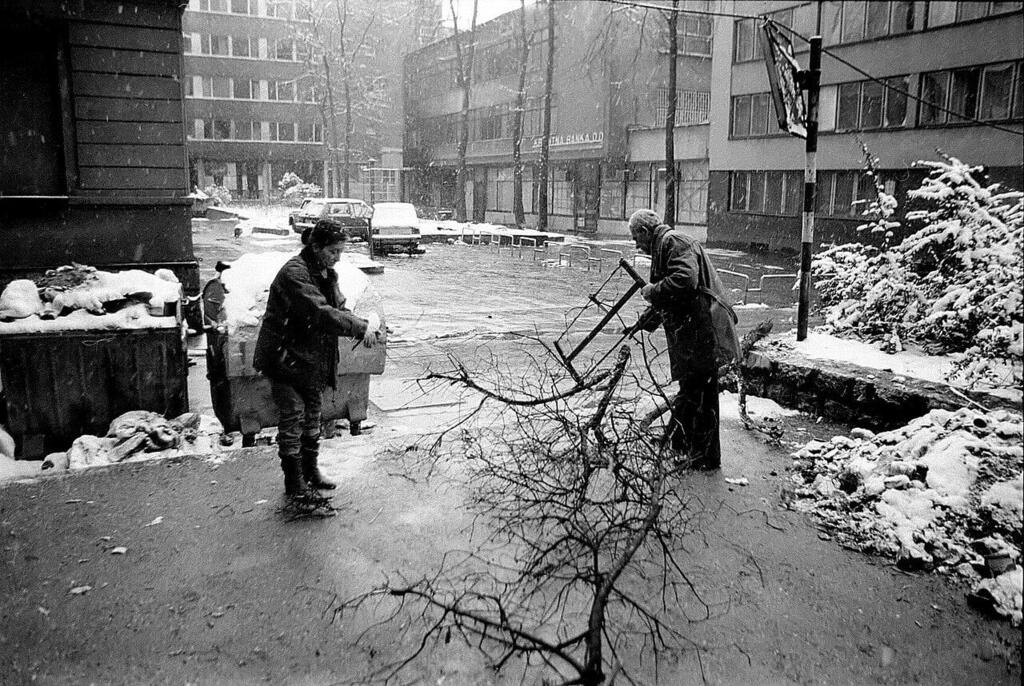
According to the complaint, a journalist in Milan filed a 17‑page dossier summarizing testimonies suggesting that some affluent foreign "sniper tourists" — including Italians, Americans and Russians — paid large sums, reportedly up to the equivalent of €80,000‑€100,000 in today’s terms, to join weekend‐long “human safari” trips. The allegations further assert that higher fees were charged if the target was a child.
The investigation was triggered by a complaint filed by journalist Ezio Gavazzeni, who collected evidence and testimonies, supported by former magistrate Guido Salvini and a report from former Sarajevo mayor Benjamina Karić. The inquiry is being led by Milan prosecutor Alessandro Gobbi, who reportedly has a list of potential witnesses, some of whom may be called to testify soon.
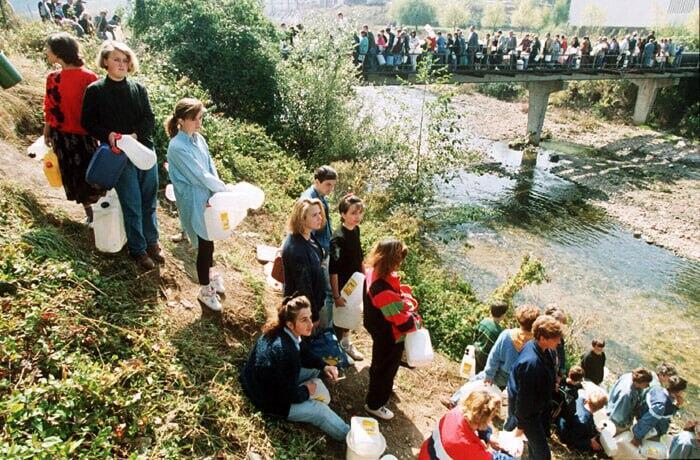
Bosnian civilians line up to collect water from a river near Sarajevo during the siege in the 1990s
Although rumours and some reports of such “sniper tourism” circulated during and after the Bosnian war, official investigations had not advanced significantly until now. In 2022, a documentary titled Sarajevo Safari by Slovenian filmmaker Miran Zupanič brought fresh attention to the allegations.
If substantiated, the Milan proceedings would represent one of the first major formal criminal investigations tied to these allegations of wartime “human safari” excursions. The charges being considered in Italy reportedly include voluntary homicide aggravated by cruelty and vile motives.
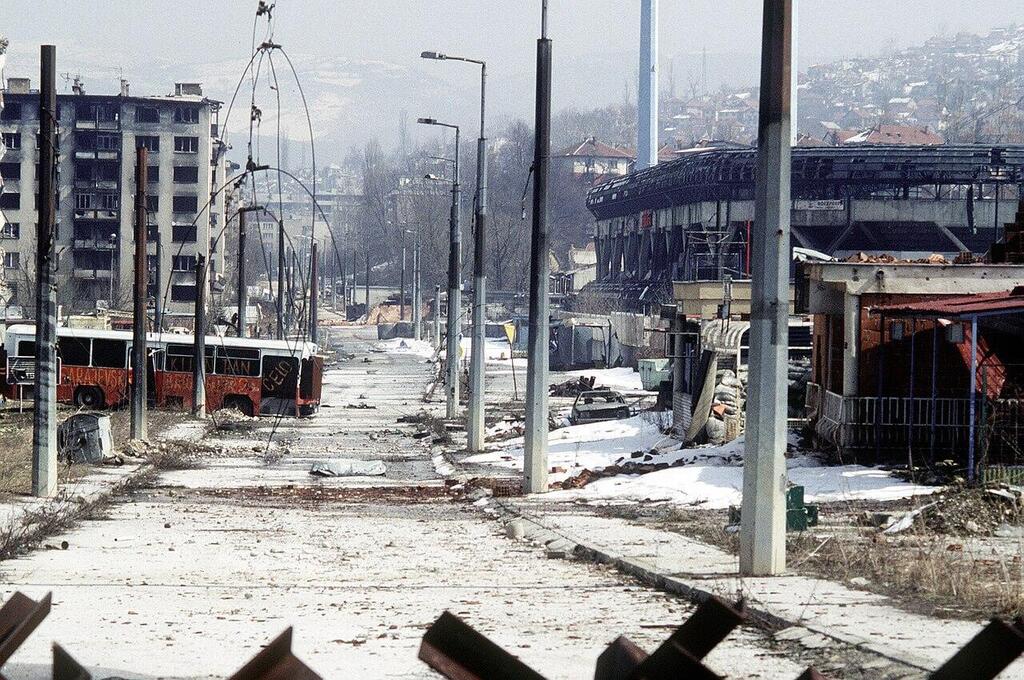
A street in Sarajevo lies in ruins during the Bosnian War, with damaged buildings and burnt-out buses visible in the background
No Italian nationals have yet been publicly charged. The defendants are, for now, listed as “unknown persons.” Prosecutors are working to identify and interrogate witnesses and suspects.
The case may raise broader questions about wartime accountability and the ways in which civilians in war zones can be targeted for profit or entertainment, rather than military necessity.