

The United States and Israel are discussing the possibility of imposing a land blockade on Iran, Britain’s Telegraph reported Friday. According to the report, the proposal is among several options being considered by U.S. President Donald Trump and Prime Minister Benjamin Netanyahu to intensify economic pressure on the Iranian regime, which has remained in power despite months of strikes and a prolonged military campaign.
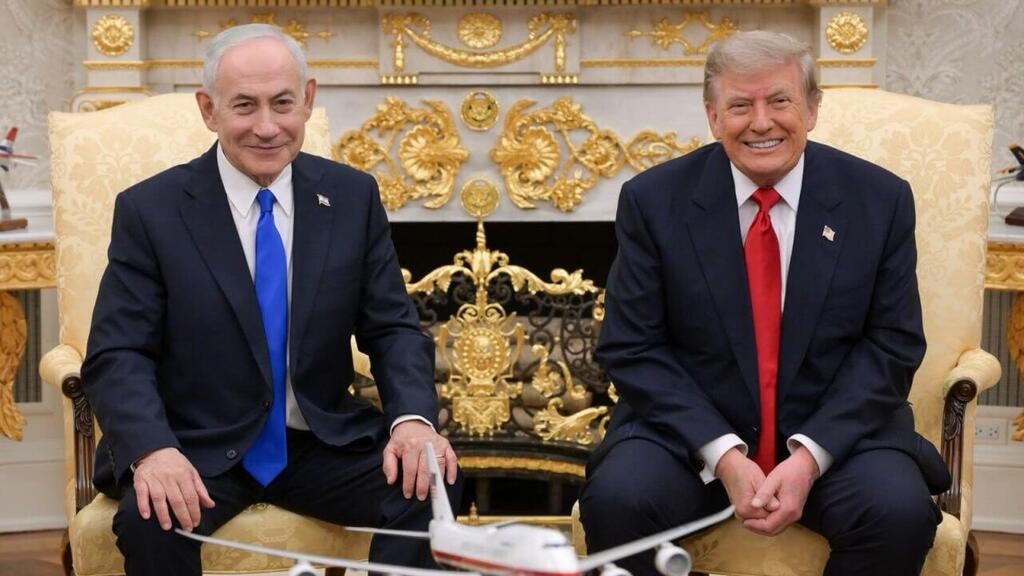
Trump and Netanyahu are believed to have discussed increasing economic pressure on Iran “through kinetic and non-kinetic means” during their meeting in the Oval Office on Tuesday.
The plan would likely require the United States and Israel to pressure Iran’s neighbors and regional partners to tighten or close border crossings, restricting the flow of imports and exports.
“What if you just blocked the land? Suppose Iran can’t bring anything in and cannot take anything out. Anything will happen,” a senior Israeli official told the Telegraph, describing one of the options discussed by the two countries.
Sean MacFarland, a former senior U.S. military official, said that while a land blockade would be “almost impossible,” “if you take away Iran’s ability to trade... then you are isolating them economically. That’s the way to bring them to their knees.”
“The economic approach is the concise one but it must have kinetic elements,” he added. “Iran borders a whole bunch of countries over land, and Iraq is very aligned with Iran. That would make it very difficult to stop any support from getting in.”
Iran borders Iraq, Turkey, Pakistan, Afghanistan, Turkmenistan, Armenia and Azerbaijan, meaning leaders would have to persuade those countries, many of which are not their allies, to cooperate. Washington may view Pakistan and Iraq, neither considered a close U.S. ally in the region, as weak links.
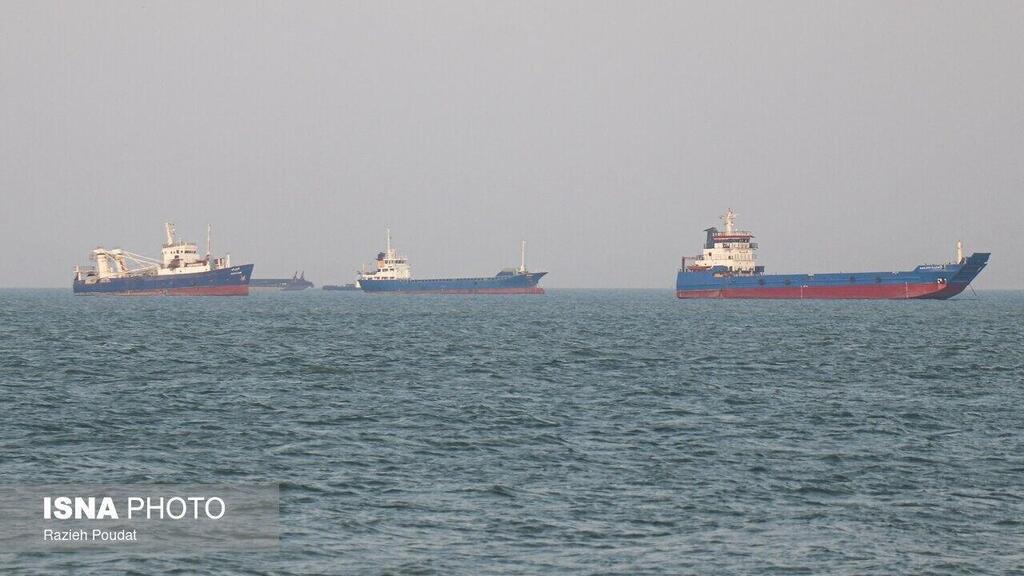
Trump believes he has exhausted the current strategy for reopening the Strait of Hormuz
Any of the seven countries bordering Iran that agreed to cooperate would have to contend with severe economic consequences and the threat of retaliatory attacks by the Islamic Republic.
A blockade of ports or major border crossings could also hinder Iran’s ability to rearm. Tehran is expecting a shipment of hundreds of Chinese rocket launchers from Beijing under a new agreement aimed at strengthening military ties between the two countries. The $70 million contract includes portable air defense systems, antiaircraft missiles operated by a single person. Ships returning from China typically stop at the southern Iranian ports of Bandar Abbas and Chabahar.
Trump believes he has exhausted the current strategy for reopening the Strait of Hormuz, a source familiar with the discussions told the Telegraph. The source said the U.S. president is now considering various escalation options that could force Iran back to the negotiating table.
A land blockade would fit into Trump’s “maximum pressure” strategy, aimed at crippling Tehran’s economy and launched with a naval blockade.
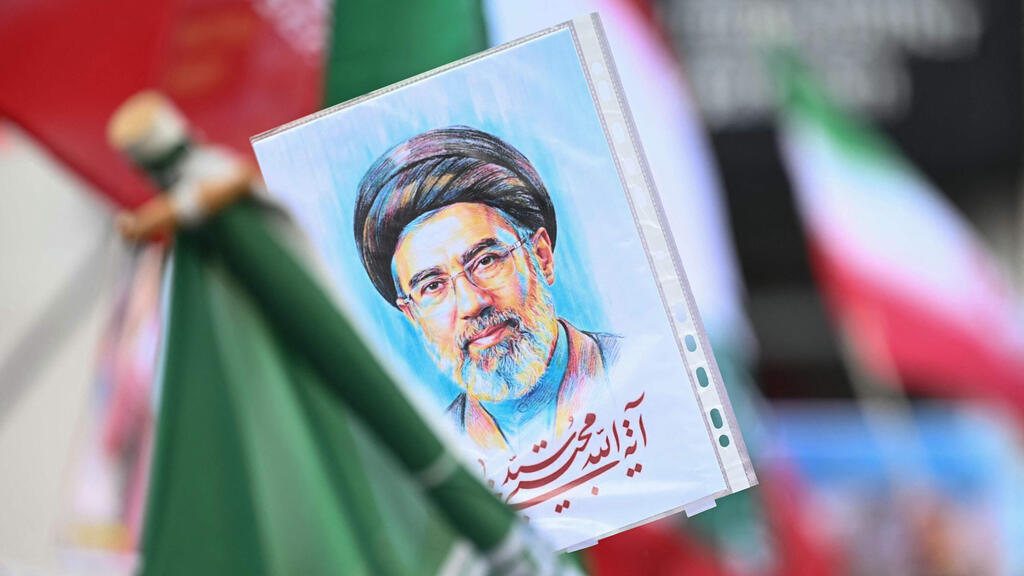
Iran’s leadership is divided
(Photo: Martin Lelievre/AFP)
The report also said there was a possibility that Israel and the United States had raised the proposal as a diversion. Intelligence reports indicate that Iran’s leadership is divided between those deeply concerned about economic collapse and those who believe the war should continue.
“There are gas shortages. You’re aware of that. Very severe gas shortages inside Iran. There are queues at gas stations that have run out of diesel fuel,” the Israeli source added.
A White House official said: “The commander-in-chief has all options at his disposal.”