

While the IDF is clearing areas in southern Lebanon through firepower and evacuations, with more than one million people displaced so far, it remains unclear whether this alone can achieve the goal of disarming Hezbollah.
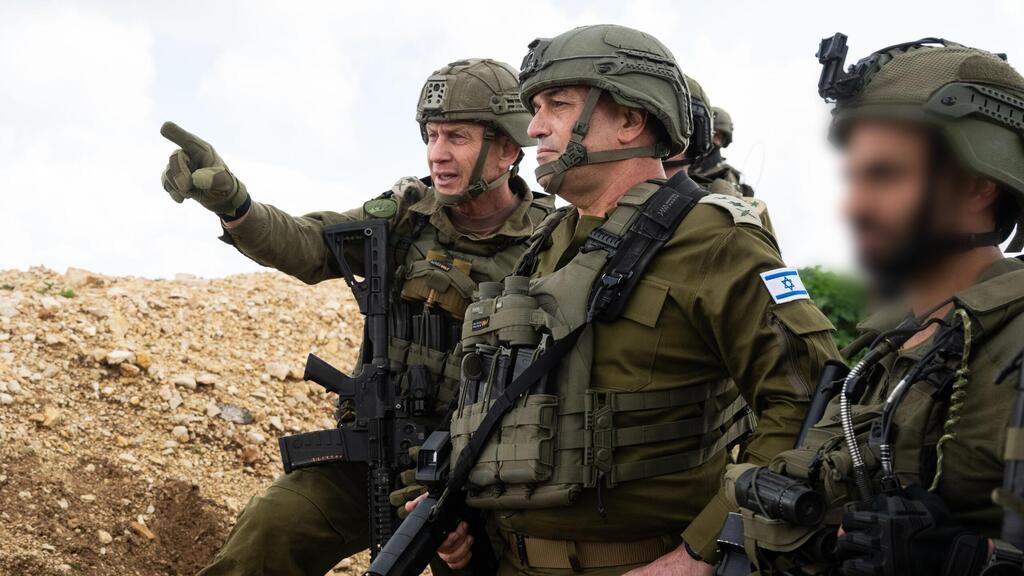
Over the past month, the IDF has struck more than 1,000 targets in Lebanon. According to military data, more than 770 Hezbollah terrorists have been killed and roughly twice as many wounded. Direct close-range clashes between IDF troops and Hezbollah operatives have been limited, and the army estimates that several hundred Radwan force operatives remain in southern Lebanon.
The current maneuver has two primary objectives. First, to protect northern Israeli communities from Hezbollah fire. On the ground, about 70% of Hezbollah rocket fire is directed at IDF forces, while roughly 30% targets civilian areas. Second, the IDF aims to generate pressure from Lebanese civilians, many of whom have been forced to leave their homes due to Hezbollah activity.
The IDF said Friday that troops from the Givati Brigade, operating under the 91st Division in southern Lebanon, uncovered an active underground Hezbollah combat complex located within a church compound in the village of al-Khiyam. During searches, troops found three shafts that Hezbollah had constructed over the past year.
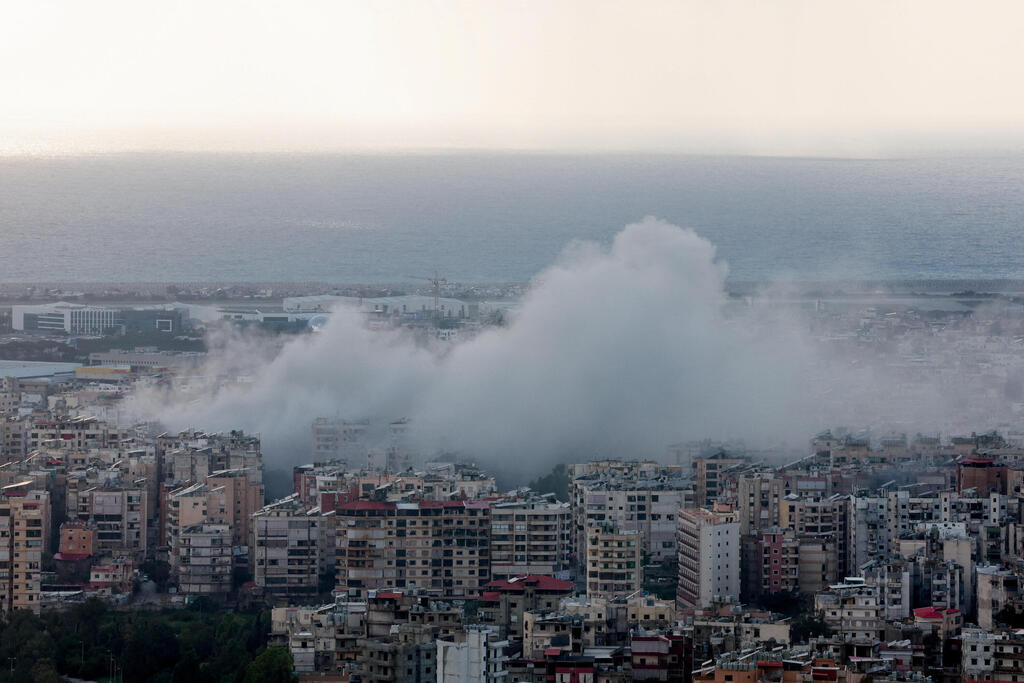
IDF strikes in Beirut
(Photo: Mahmoud Hassano/ Reuters)
According to the military, the site had previously been located and cleared of weapons and terrorists in December 2024. Its reuse, officials said, highlights Hezbollah’s repeated pattern of exploiting Lebanon’s civilian population as human shields and systematically using religious institutions and civilian infrastructure for military purposes, in violation of international law.
The IDF also said Hezbollah has prevented members of the Christian population from fleeing areas for which evacuation warnings were issued, and in some cases fired at them as they attempted to escape combat zones. The group has used Christian villages as operational areas, leaving civilians under daily threat while damaging homes and property. This exploitation, the military added, also includes attempts to take over Christian land and assets.
IDF Spokesperson Brig. Gen. Effie Defrin told foreign media that “Hezbollah chose to join the Iranian regime in its attacks against Israel, thereby endangering both Israeli and Lebanese civilians. That is exactly what we are acting against.”
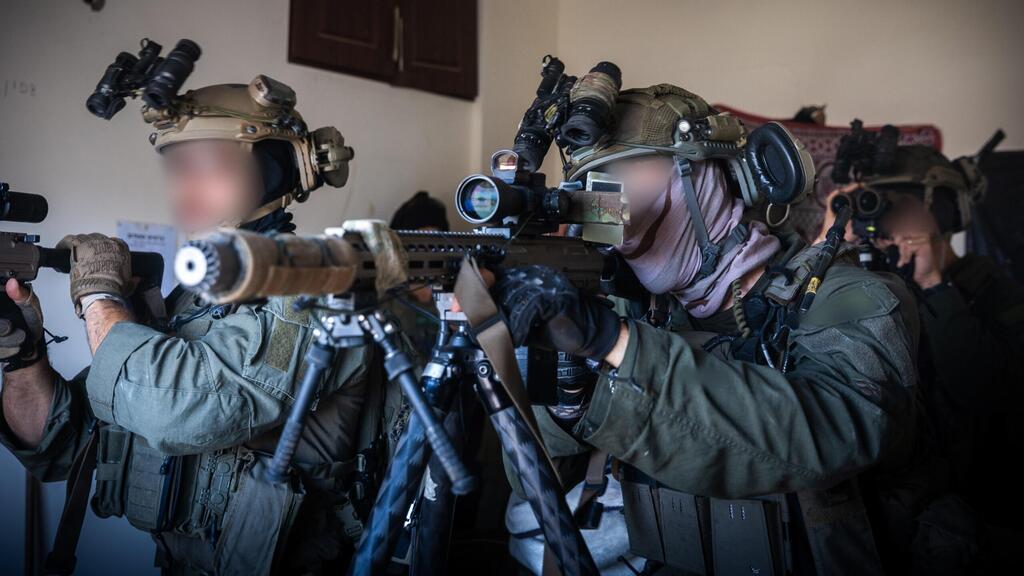
IDF forces operate in Lebanon
(Photo: IDF)
“While we continue to strike Hezbollah terrorist targets, IDF forces are deployed in forward defensive positions along the border area in southern Lebanon,” he added.
Defrin also warned that despite statements earlier this year by the Lebanese government, Hezbollah continues to operate and carry out attacks from southern Lebanon. “If the Lebanese government does not disarm Hezbollah, the IDF will do so,” he said.
Senior IDF officials have repeatedly stressed in briefings that there is a critical window of opportunity to bring about Hezbollah’s disarmament. However, they emphasize that this cannot be achieved through military action alone, and requires a parallel political effort by Israel or by Lebanon.
At the same time, there are growing concerns within Lebanon about the risk of a potential civil war. While the Lebanese government has taken unprecedented steps against Hezbollah and called for its disarmament, it has stopped short of fully confronting the group.
The IDF says several conditions must converge to enable Hezbollah’s disarmament. These include clearing the population from southern Lebanon and demilitarizing the area up to the Litani River, severely damaging the organization’s financial resources, dismantling Iran’s support network, increasing pressure from Lebanese civilians and active operations by the Lebanese army against Hezbollah operatives.