

January 1 opens the new year with a fresh wave of price hikes that is expected to weigh on the consumer price index, driven largely by increases initiated by the state.
The latest rise in the cost of living includes higher prices for some of the most basic items in the household consumption basket, including electricity, water, property taxes and cooking gas. Taxes on electric vehicles are also rising, alongside an expected increase in food prices.
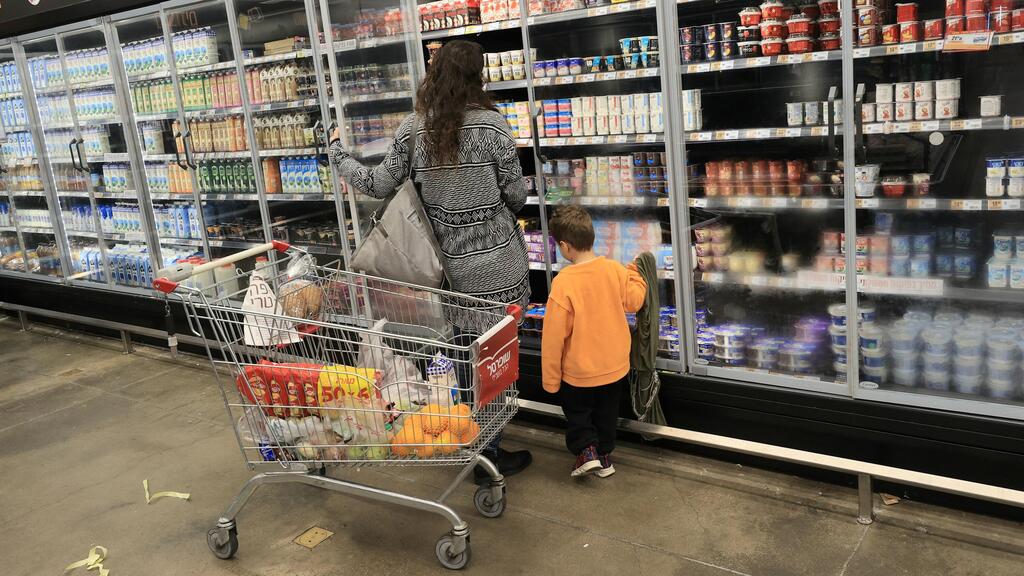
As of this morning, households are paying more for essential services and products already approved by the government and local authorities. The result is that lower-income households and large families are expected to be hit hardest.
Water, electricity and property taxes
Water: The Water Authority Council approved a 2.35% increase in water prices in January. For an average household of four consuming 16 cubic meters a month at a cost of 127 shekels before VAT, the increase amounts to about 3.5 shekels a month. The average monthly bill will reach 150.4 shekels, or about 300 shekels on a bi-monthly bill. For many families, the cost will be significantly higher.
Electricity: The Electricity Authority approved a 1.5% increase, averaging about 6 shekels more per month for a typical household. In larger families and apartments, the increase is expected to reach about 10 shekels a month.
Cooking gas: Prices are expected to rise by about 5% due to higher excise taxes and index-linked costs, a move that is also likely to affect restaurant prices.
Property tax: The automatic annual increase was set at 1.6%, following a 17-year high approved in 2025, when property taxes rose by 5.27%. However, in many municipalities, the increase taking effect this month will reach as much as 17%.
Electric vehicles
The purchase tax on electric vehicles will rise in January from 45% to 48%. At the same time, the tax benefit cap will be reduced from 30,000 shekels to 22,000 shekels.

(Photo: Eran Granot)
Income tax brackets
January paychecks will reflect the continued freeze on updates to income tax brackets, tax credit points and child allowances. If the Knesset approves the Finance Ministry plan to widen the tax brackets, the change will apply retroactively from January but only starting in March, with excess tax refunded in a lump sum in April paychecks. The value of a single tax credit point will remain 242 shekels.
Child allowances
Child allowances will also remain frozen in 2026. Payments will stand at 169 shekels for a first child and 214 shekels for the second, third and fourth children. The freeze translates into a loss of tens of shekels per month for families.
National Insurance
Higher National Insurance payments for low-income earners making up to 7,522 shekels a month will continue. The increase means an additional 48 shekels per month for employees and 72 shekels for employers, including in January 2026.
‘Israel Invoices’ reform
The requirement for an allocation number for input VAT deduction now applies to invoices of 10,000 shekels and above, down from 20,000 shekels. The reform, led by the Tax Authority, is intended to combat fictitious invoices. From June 1, the requirement will apply to transactions exceeding 5,000 shekels before VAT.
The new price hikes come alongside the continued freeze of income tax brackets, higher National Insurance payments and the failure to roll back the VAT rate, which was raised by one percentage point to 18% at the start of 2025.
Taken together, the price increases and higher taxes are expected to cost an average household between 800 and 1,200 shekels a month, depending on family size and the impact of the measures on wages and household expenses.
In contrast to the immediate hikes, a major relief measure promised by Finance Minister Bezalel Smotrich for the middle class, widening income tax brackets for earners making between 16,000 and 25,000 shekels a month, will not take effect yet. The move is contingent on approval of the state budget, expected in March.
Price hikes delayed until budget approval
The price of electronic cigarettes will rise on April 1. Retroactively, once the budget is approved in March, a 1.5% tax will be imposed on non-agricultural vacant land, along with a new 2% surtax on real estate investors.