


U.S. forces struck Iranian coastal radar sites on Saturday after shooting down drones launched by Iran toward the Strait of Hormuz, the U.S. military said, in the latest escalation complicating efforts to end the war between the two countries.
The U.S. military said it intercepted four Iranian suicide drones it assessed were aimed at regional maritime traffic. U.S. Central Command (CENTCOM) said on social media that it then struck Iranian surveillance and coastal radar sites in Goruk and on Qeshm Island, near Bandar Abbas on the Strait of Hormuz.
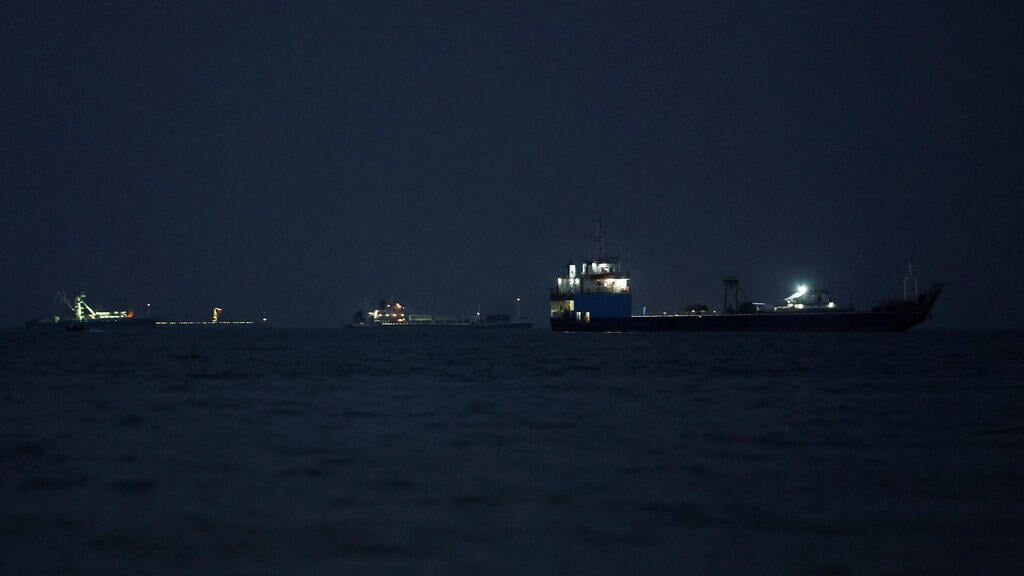
Iranian sources described the initial drone launch as “warning fire,” while state-linked reports said the drones were directed at maritime targets near the strategic waterway.
In response to the U.S. strikes in southern Iran, Iranian forces launched seven ballistic missiles toward targets in the Gulf region, including Kuwait and Bahrain, according to regional reports. Air defenses were activated overnight in both countries. CENTCOM said six of the seven missiles were intercepted, while the seventh did not reach its target.
The exchange marked one of the most direct confrontations yet in months of hostilities that have complicated efforts to reach an interim understanding between Washington and Tehran over the war and Iran’s nuclear program.
The U.S. and Iran have been engaged in largely indirect negotiations aimed at a temporary framework deal, while leaving longer-term issues, including Iran’s nuclear program, for further talks. As part of any potential agreement, Tehran has demanded access to billions of dollars in frozen oil revenues, sanctions relief on crude exports, the lifting of restrictions on its ports and greater leverage over shipping in the Strait of Hormuz, through which about a fifth of global oil flows.
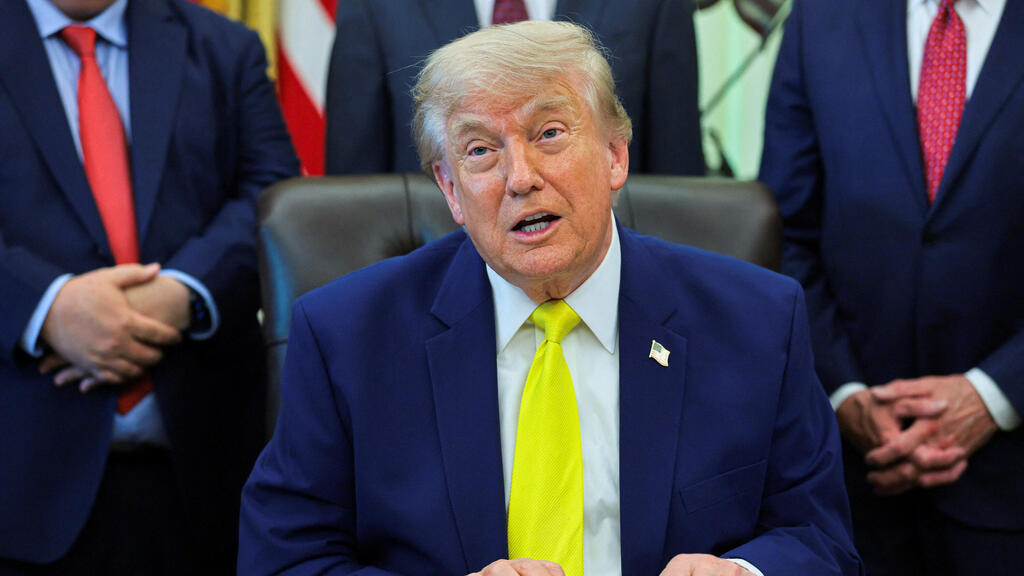
US President Donald Trump
(Photo: Jonathan Ernst/ Reuters)
U.S. President Donald Trump has faced growing domestic pressure over rising energy prices linked to the conflict. In an interview with NBC’s “Meet the Press,” he said Iranian drone and missile production capabilities had been significantly degraded but insisted Tehran still retained a portion of its arsenal.
“They have some missiles, they have some drones. I would say percentage wise, maybe 21% to 22% of their missiles,” Trump said, according to excerpts released by the network.
When asked why Iranian leaders had not moved more quickly toward a deal, Trump said their resistance reflected pride and strategic calculation.
“Because they are strong. They’re proud,” he said. “There are things they never thought they’d be doing that they’re going to have to do, they’ve got no choice, and it takes a little while.”
Separately, earlier intelligence assessments cited by U.S. media have varied on Iran’s remaining stockpiles, with some reports estimating far higher retained missile capacity than the figure cited by Trump.
First published: 03:24, 06.06.26