

Degel HaTorah—the Lithuanian wing of the Ashkenazi ultra-Orthodox United Torah Judaism Party (UTJ)—announced Monday that its Knesset members would withdraw from the government and the coalition following disagreements over a long-stalled legislation that would exempt Haredi men from compulsory military service. Agudath Israel—UTJ's Hasidic wing—announced its departure from the government shortly after.
Degel HaTorah said the decision, which followed a meeting between faction leader MK Moshe Gafni and Prime Minister Benjamin Netanyahu, was made “in accordance with the directive” of the faction’s spiritual leader, Rabbi Dov Lando.
Gallery
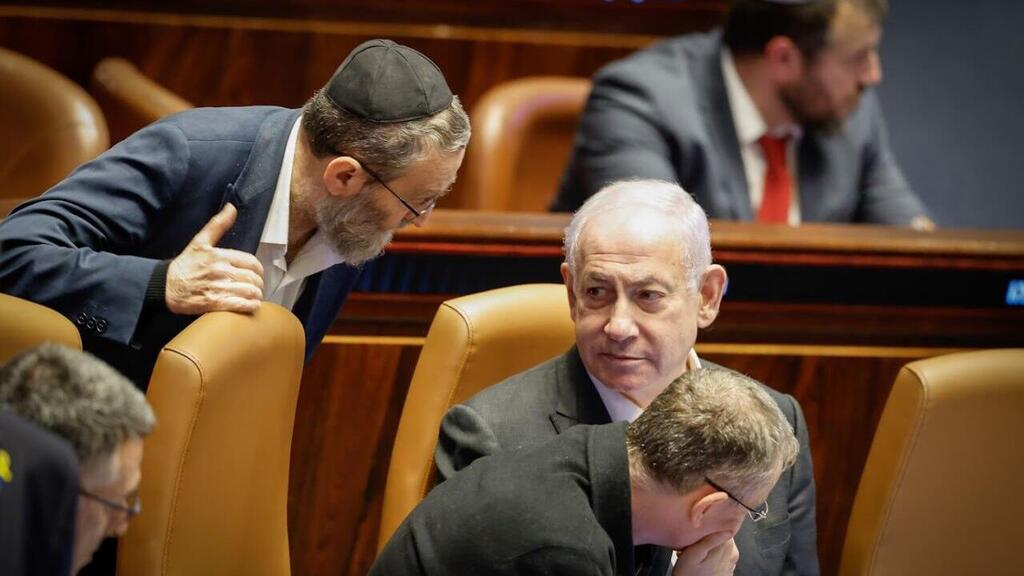
Degel HaTorah chairman Moshe Gafni confers with Prime Minister Benjamin Netanyahu
(Photo: Danny Shem Tov / Noam Moskowitz, Knesset Spokesperson)
Senior political sources told Ynet that a version of the draft exemption bill would be ready on Monday and that Haredi representatives arrived at Knesset lawmaker Yuli Edelstein’s office to review it. However, after reviewing the draft, Degel HaTorah announced it would not reverse course and would leave the government and coalition.
“The draft we were shown deviates from what was agreed upon and from commitments made by Likud and the coalition,” a party representative said, further accusing Edelstein of “deception.” Deputy Transportation Minister Uri Maklev left the meeting intending to submit his resignation letter.
Degel HaTorah, part of the United Torah Judaism faction, has four Knesset members. Yitzhak Goldknopf of Agudat Yisrael—the other half of UTJ—had already quit. Jerusalem Affairs and Heritage Minister Meir Porush and Deputy Minister Yitzhak Tessler are now expected to follow. Shas has yet to announce its withdrawal but issued statements Monday that signaled similar dissatisfaction.
In the lead-up to the resignation, Rabbi Dov Lando—the spiritual leader of UTJ’s Lithuanian Degel HaTorah faction—sent a letter to the faction’s lawmakers. “Since the authorities have made clear their intention to increase the hardship faced by Torah learners in various ways, through efforts to humiliate and trample them, and since they repeatedly fail to uphold their commitments to regulate the legal status of yeshiva students and Torah scholars—the crown of creation and the secret of our existence—I therefore believe that participation in the government and coalition must immediately end, including the resignation from all related positions. May God bring salvation soon. Signed with pain and concern,” he wrote.
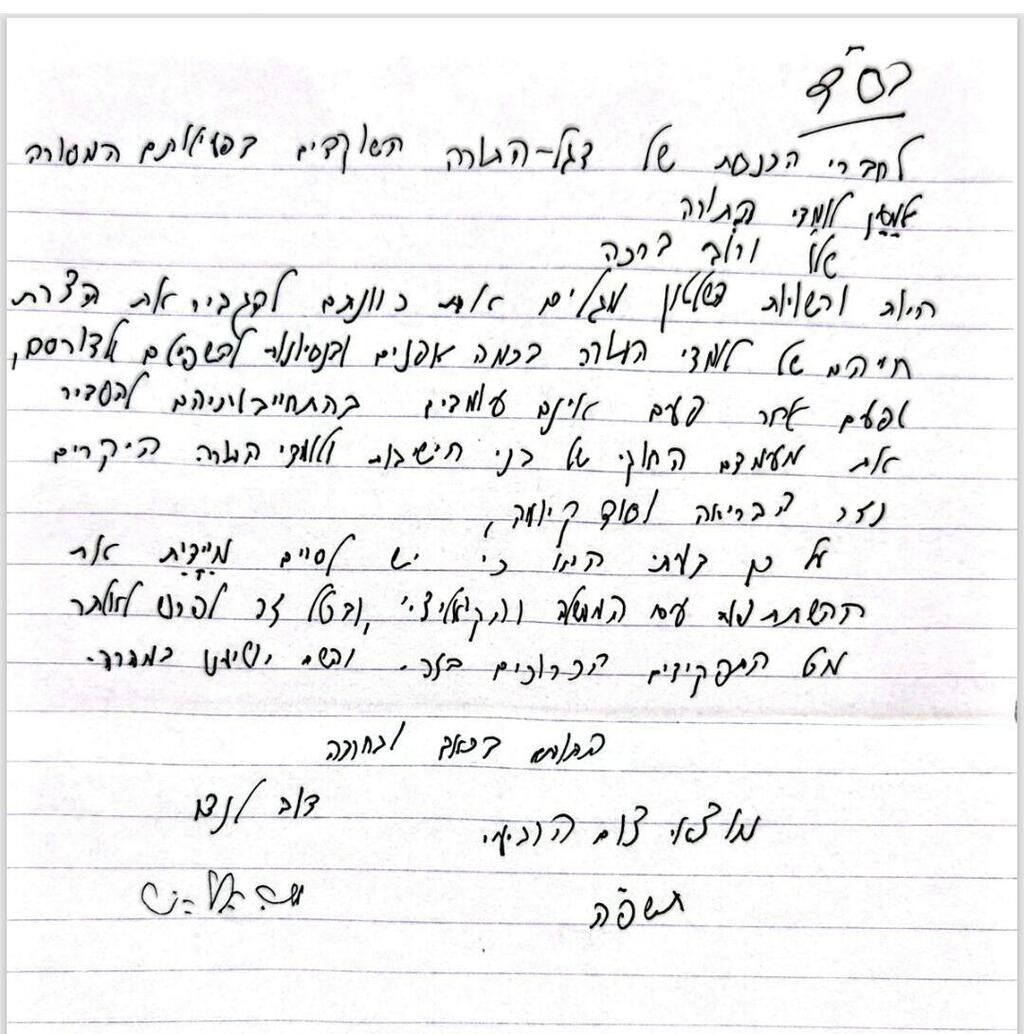
Degel HaTorah rabbis call for its lawmakers to resign from the coalition
Rabbi Moshe Hillel Hirsch also signed the letter, and Degel HaTorah lawmakers announced their resignation later that evening.
From the Haredi perspective, the proposed draft law includes three key issues: existing draft orders, the makeup of the exemptions committee and financial sanctions.
Get the Ynetnews app on your smartphone: Google Play: https://bit.ly/4eJ37pE | Apple App Store: https://bit.ly/3ZL7iNv
Haredi parties demand the full cancellation of all previously issued draft orders—a step Edelstein opposes.
They also object to Edelstein’s insistence that the exemptions committee be placed solely under military authority, whereas earlier proposals called for joint oversight with rabbinic figures.
On sanctions, Edelstein is pushing for harsher penalties. The current draft allows partial funding if yeshivas meet at least 75% of recruitment targets, with full cuts below that threshold. He wants to raise both the benchmark and the penalties.

Yuli Edelstein
(Photo: Knesset)
Meanwhile, Attorney General Gali Baharav-Miara sent a letter to Prime Minister Netanyahu warning that the government is failing to enforce the draft law, saying it “severely undermines equality and the rights of those who serve.”
She noted that previous appeals to the government have gone unanswered and called for Netanyahu’s direct intervention. The state, she added, must submit a response to the High Court detailing what steps it is taking to implement the draft law, following a conditional order issued by the court.