

Former South Korean President Yoon Suk Yeol, who was removed from office last year after briefly declaring martial law in a move that raised fears for the country’s democracy, was convicted Thursday of rebellion and sentenced to life in prison. The ruling brings a dramatic end to the most severe political crisis South Korea has faced in decades.
Yoon lost his post after declaring martial law on Dec. 3, 2024, in an effort to overcome an opposition-controlled parliament. He ordered troops to surround the National Assembly and block access to the building.
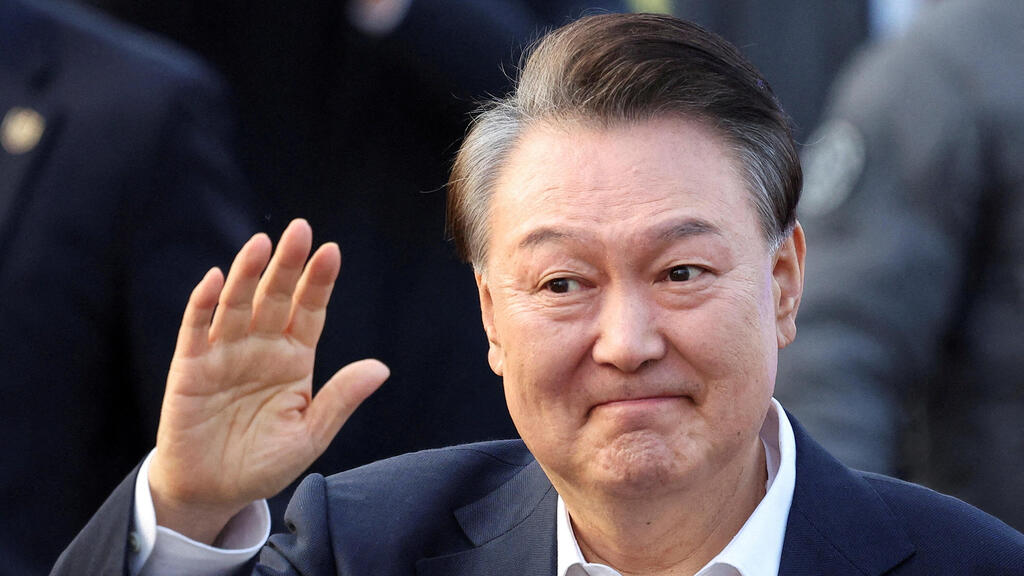
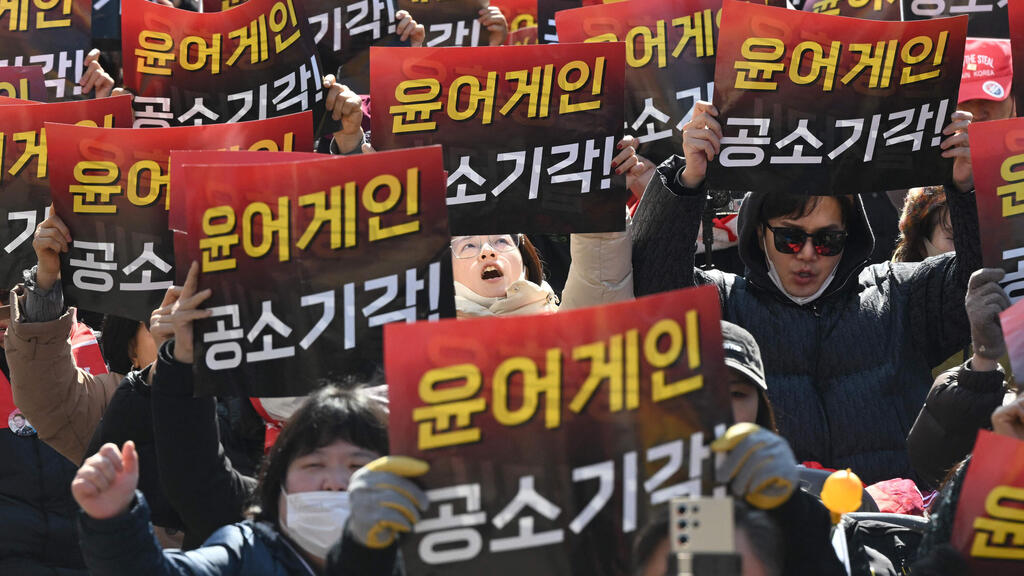
Supporters of the impeached President Yoon demonstrate for him today in Seoul
(Photo: Jung Yeon-je / AFP)
A court in Seoul ruled that Yoon was guilty of rebellion and of mobilizing the military and police in an illegal attempt to seize control of the National Assembly, then led by liberals. The court said he also sought to detain politicians and establish a system without checks and balances for a significant period. Yoon is expected to appeal.
The special prosecutor had sought the death penalty, arguing that Yoon’s actions threatened South Korea’s democracy and warranted the harshest punishment available. Most analysts, however, had predicted a life sentence, noting that Yoon’s poorly planned military move resulted in no fatalities. South Korea has not carried out an execution since 1997 and is widely regarded as having an unofficial moratorium on the death penalty, though it has not formally abolished it.
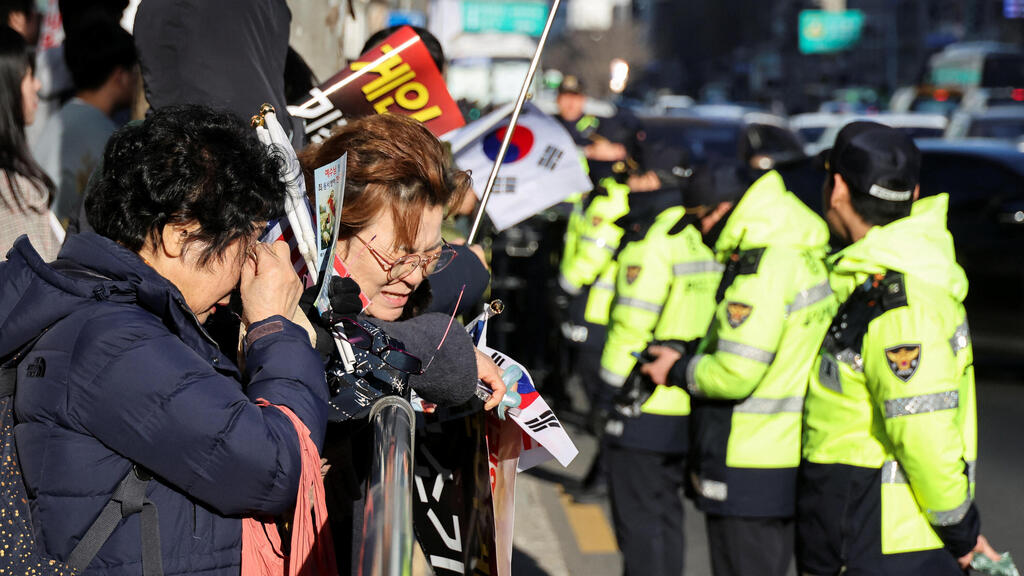
Security forces face Yoon supporters today in Seoul
(Photo: REUTERS/Kim Hong-ji)
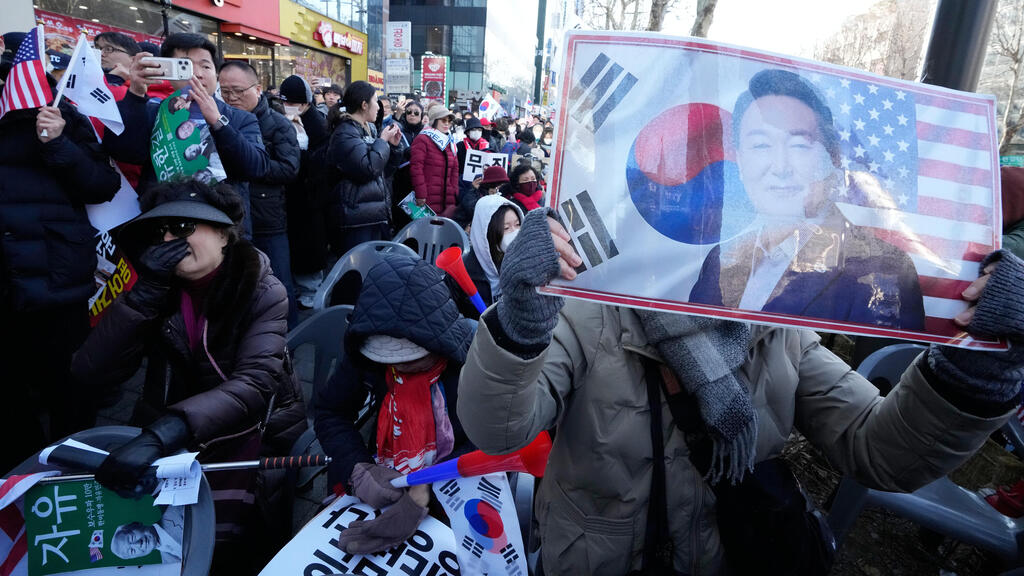
(Photo: AP Photo/Ahn Young-joon)
Supporters gathered outside the Seoul courthouse Thursday, shouting encouragement as hundreds of police officers maintained order. Opponents assembled across the street, calling for a death sentence.
In its ruling, the court also convicted several former senior military and police officers for their roles in carrying out Yoon’s martial law order. Former Defense Minister Kim Yong-hyun was sentenced to 30 years in prison for helping plan the move and mobilize troops.
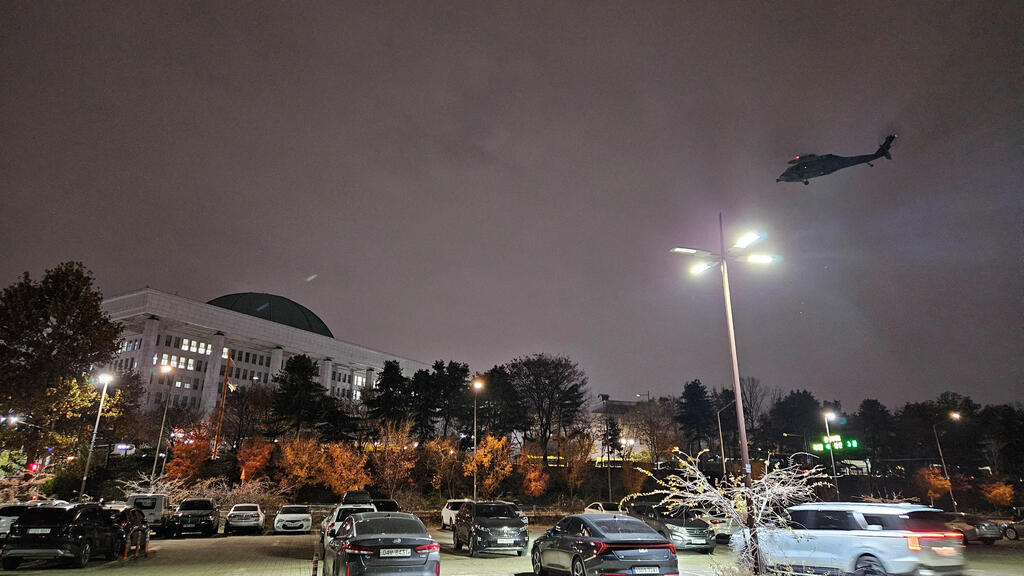
A helicopter circles above parliament on the night of Dec. 3, 2024, after the declaration of martial law
(Photo: Yonhap via REUTERS)
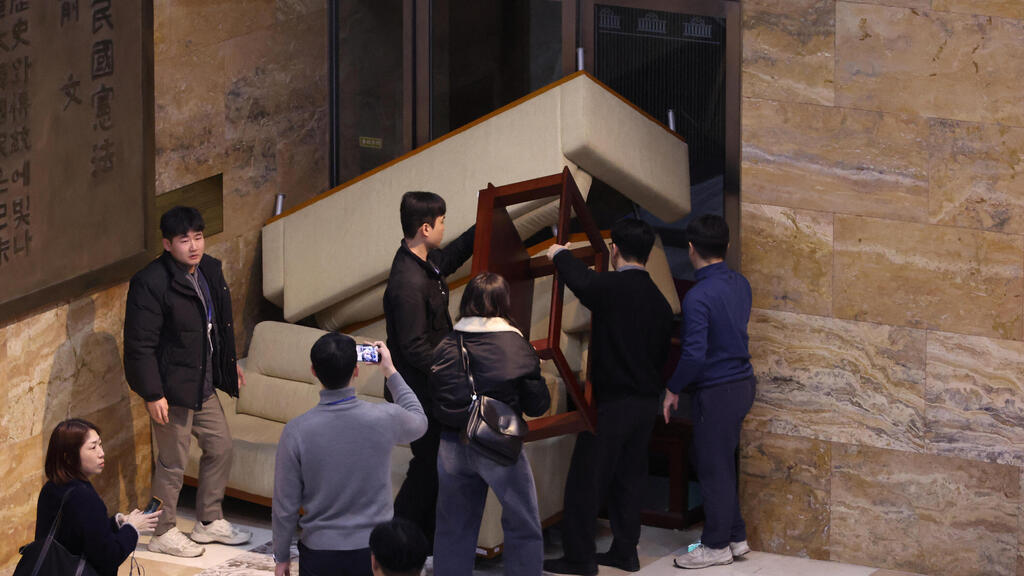
Opposition lawmakers try to block soldiers inside the parliament building on the dramatic night in early December 2024
(Photo: Yonhap via REUTERS)
A staunch conservative, Yoon defended his decision to impose martial law as necessary to prevent liberals — whom he described as anti-state forces — from using their parliamentary majority to block his policies. The decree remained in effect for six hours before being overturned after enough lawmakers forced their way into the blocked assembly and voted unanimously to revoke it.
Yoon was suspended from office on Dec. 14, 2024, after being impeached by parliament and was formally removed by the Constitutional Court in April. He has been under house arrest since July pending criminal proceedings, the most serious of which was the rebellion charge.
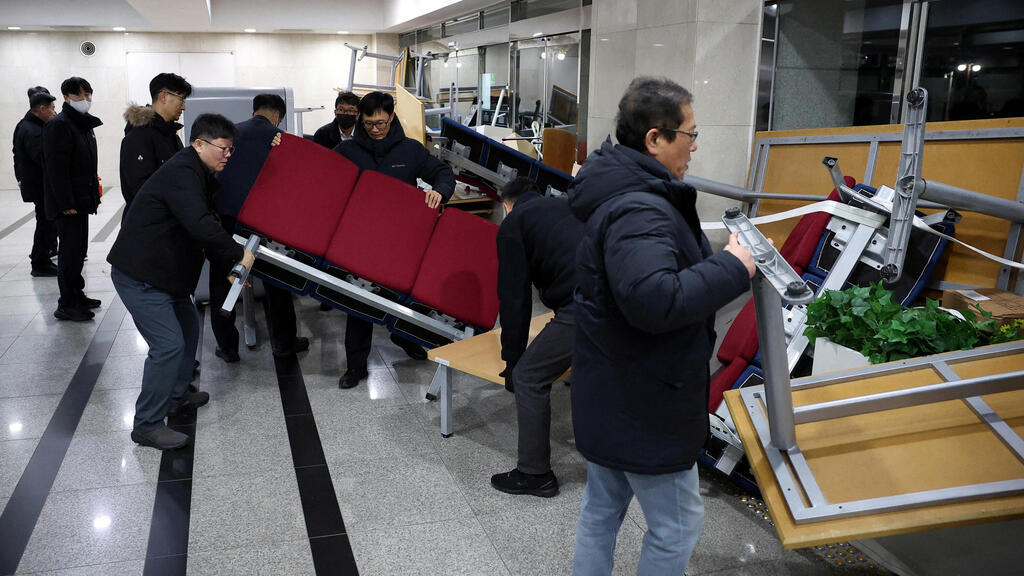
Damage inside the parliament building after the 'night of martial law' initiated by Yoon
(Photo: REUTERS/Kim Hong-Ji)
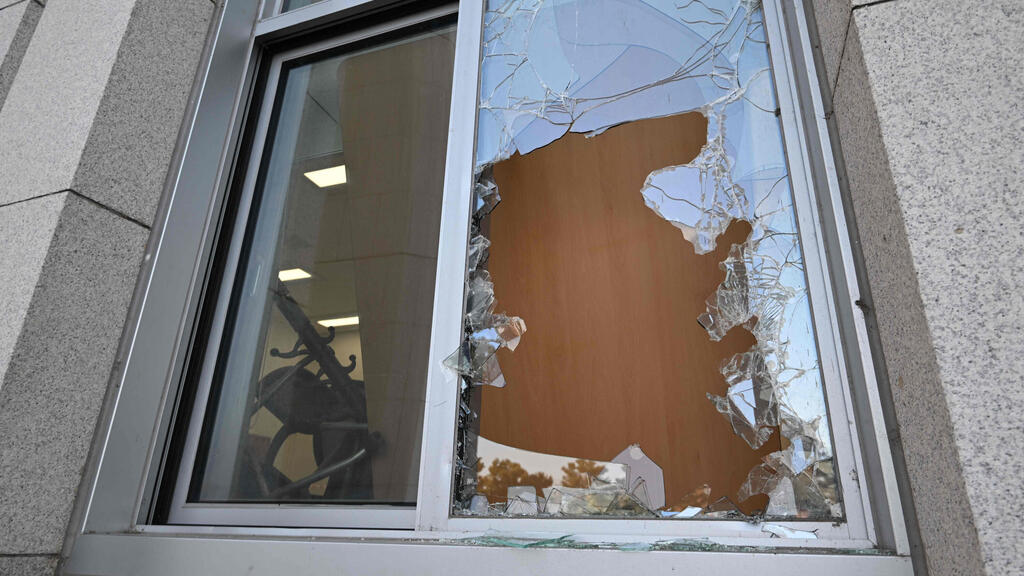
(Photo: JUNG YEON-JE / AFP)
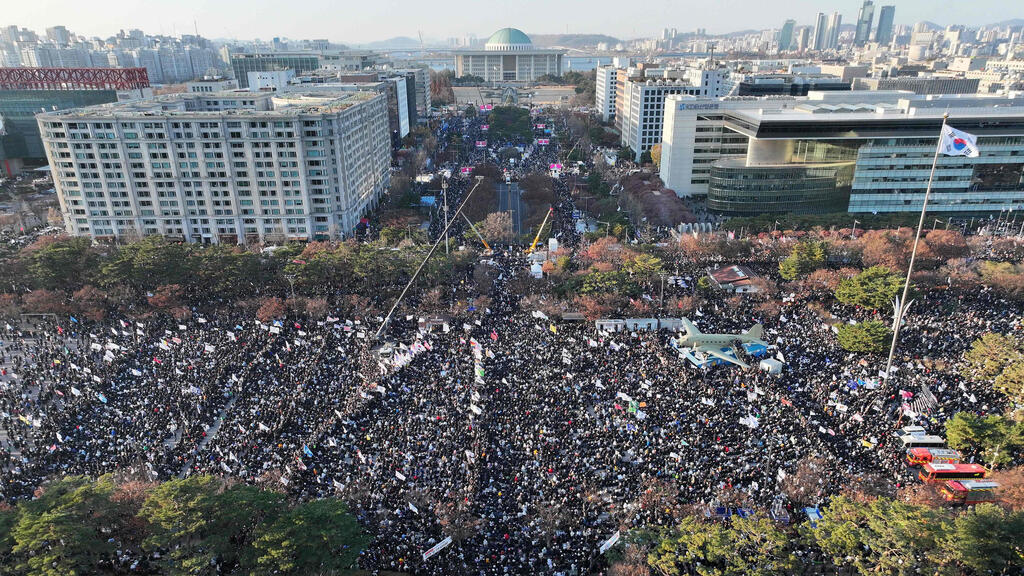
Thousands protest, calling for Yoon’s removal and imprisonment after the imposition of martial law in December 2024
(Photo: Jung Yeon-je / AFP)
Last month, Yoon was sentenced to five years in prison for resisting arrest, falsifying the martial law declaration and bypassing the legally required full Cabinet meeting before issuing such an order.
The Seoul Central District Court also convicted two former Cabinet members in related cases. Former Prime Minister Han Duck-soo was sentenced to 23 years in prison for attempting to legitimize the martial law decree by promoting its approval at a Cabinet meeting, as well as for falsifying records and committing perjury.