


With the winter parliamentary session nearing its midpoint and elections possibly less than a year away, the coalition is pressing ahead with a packed slate of controversial legislation, even as political assessments cast doubt on whether many of the bills will ultimately become law.
The coalition’s top priority remains legislation granting broad exemptions from mandatory military service for ultra-Orthodox men. The bill is being prepared for second and third readings in the Knesset Foreign Affairs and Defense Committee, chaired by Likud lawmaker Boaz Bismuth. While Prime Minister Benjamin Netanyahu is determined to pass it, its chances remain slim, with key provisions on enlistment targets and sanctions still unresolved.
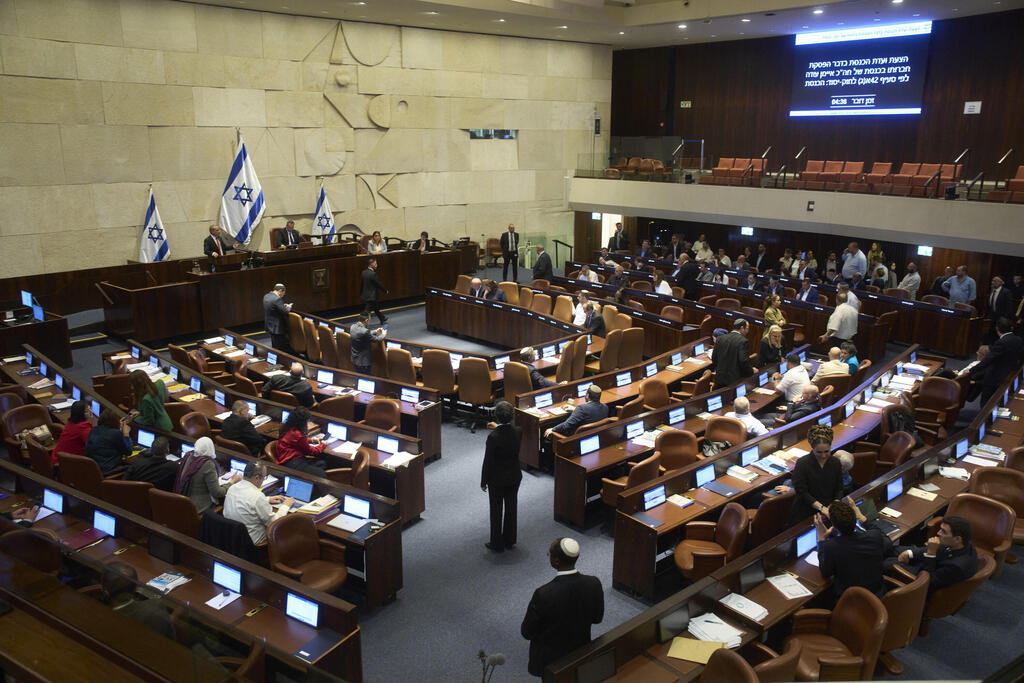
(Photo: AP Photo/Ohad Zwigenberg)
Another major initiative is a sweeping communications law promoted by Netanyahu and Communications Minister Shlomo Karhi. The bill, aimed at overhauling the television market, is being advanced in a new committee led by Likud lawmaker Galit Distel Atbaryan, bypassing the Economic Affairs Committee. Critics, including opposition lawmakers and media organizations, warn it could weaken oversight, harm broadcasters and undermine press independence. Political estimates suggest it is unlikely to pass before elections.
The coalition is also advancing legislation designed to avoid establishing a state commission of inquiry into the Oct. 7 Hamas attack. A bill sponsored by Likud lawmaker Ariel Kallner would create an alternative investigative panel through legislation, a move widely seen as an attempt to respond to Supreme Court petitions demanding a state inquiry. The bill is expected to pass a preliminary vote but stall later amid opposition resistance.
Several bills revive elements of the stalled judicial overhaul. These include proposals to remove the Police Internal Investigations Department from the authority of the state prosecutor, split the role of attorney general into three separate positions, and allow the justice minister to appoint a special prosecutor to investigate senior legal officials. Attorney General Gali Baharav-Miara has strongly opposed the measures, warning they would undermine judicial independence and invite political interference.
Other initiatives include a bill granting immunity to soldiers who pass information, including classified material, to the prime minister or defense minister; legislation to retroactively legalize billions of shekels in military pension benefits ruled unlawful by the Supreme Court; and measures expanding the authority of rabbinical courts in civil matters, pushed by ultra-Orthodox parties.
Additional proposals target civil society and state institutions, including a bill imposing an 80% tax on foreign government donations to nongovernmental organizations, legislation to reduce judges’ salaries, and laws limiting the powers of the president of the Supreme Court in assigning judicial panels.
Several bills passed preliminary readings this week but are widely viewed as symbolic, aimed at appealing to party bases ahead of primaries rather than reaching final approval.