

A U.S. pilot has been rescued after a fighter jet was shot down over Iran, while the fate of a second crew member remains unknown, according to U.S. officials.
A U.S. official told Reuters that the aircraft went down over Iran and that search and rescue operations were launched. Additional reports said U.S. forces secured the area around the pilot for several hours before extracting him. He was reported to be in fair condition.
The searches for the aircraft in Iran


It was not immediately clear whether the incident matched Iranian claims earlier Friday that a U.S. pilot had ejected over southwestern Iran.
An Iranian state TV-affiliated channel had urged residents to hand over any “enemy pilot” to authorities and promised a reward. The channel, based in Kohgiluyeh and Boyer-Ahmad province, also aired an earlier message calling on the public to “shoot them if you see them,” referring to footage of what appeared to be U.S. aircraft.
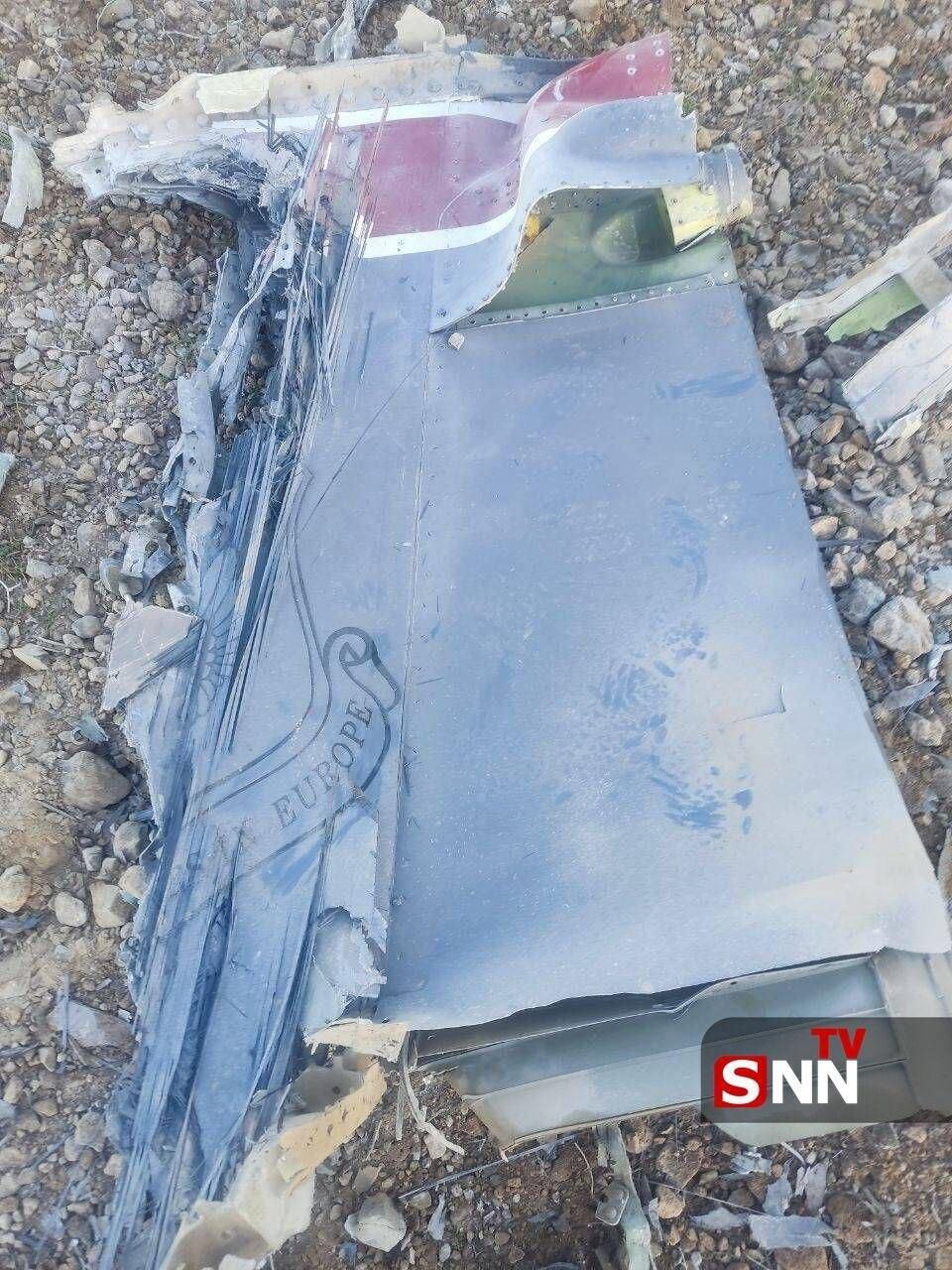
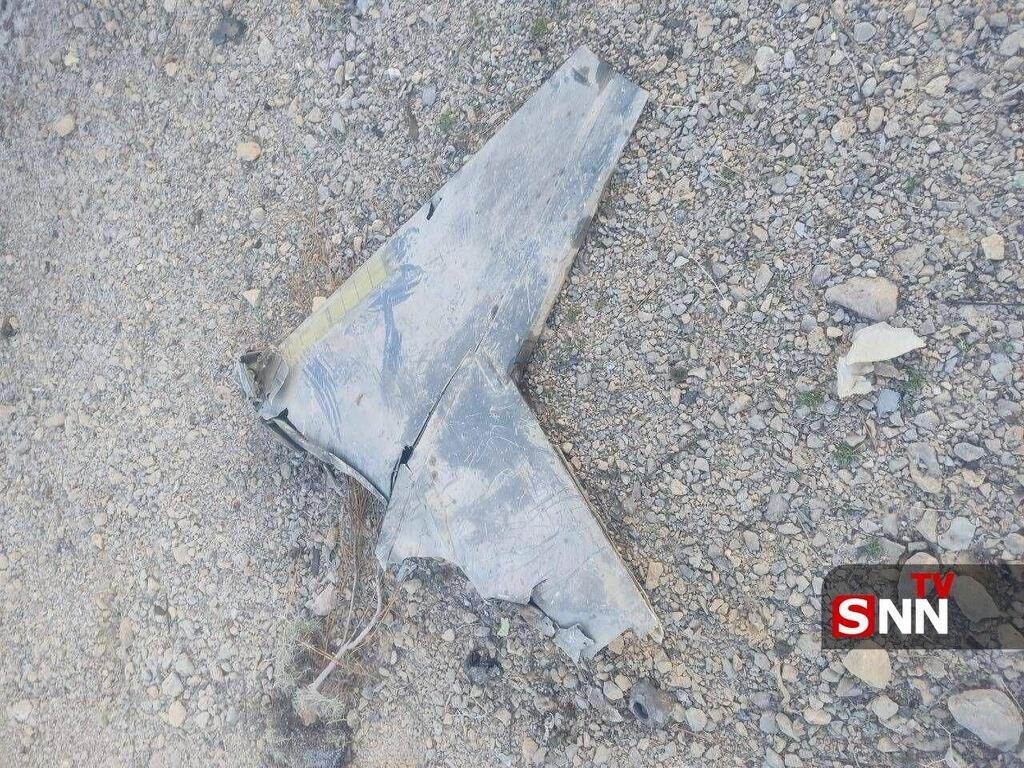
The channel broadcast images of metal debris in the back of a pickup truck but provided no verifiable details.
Throughout the war, Iran has repeatedly claimed to have downed piloted aircraft, assertions that were not confirmed. However, if verified, this would mark a significant escalation and a rare confirmed downing of a U.S. fighter jet over Iran.
U.S. Central Command, the Pentagon and the White House did not immediately respond to requests for comment.
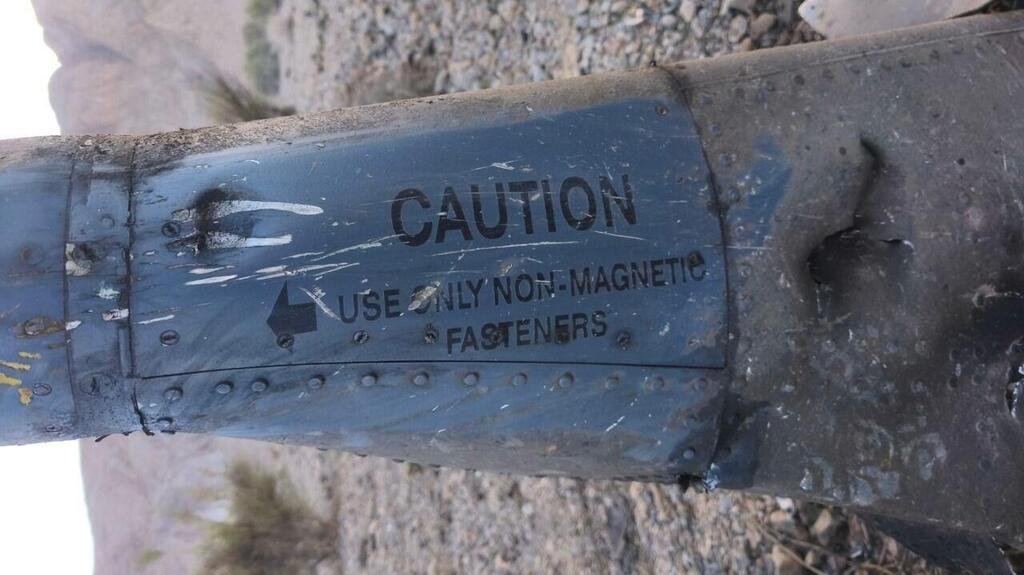
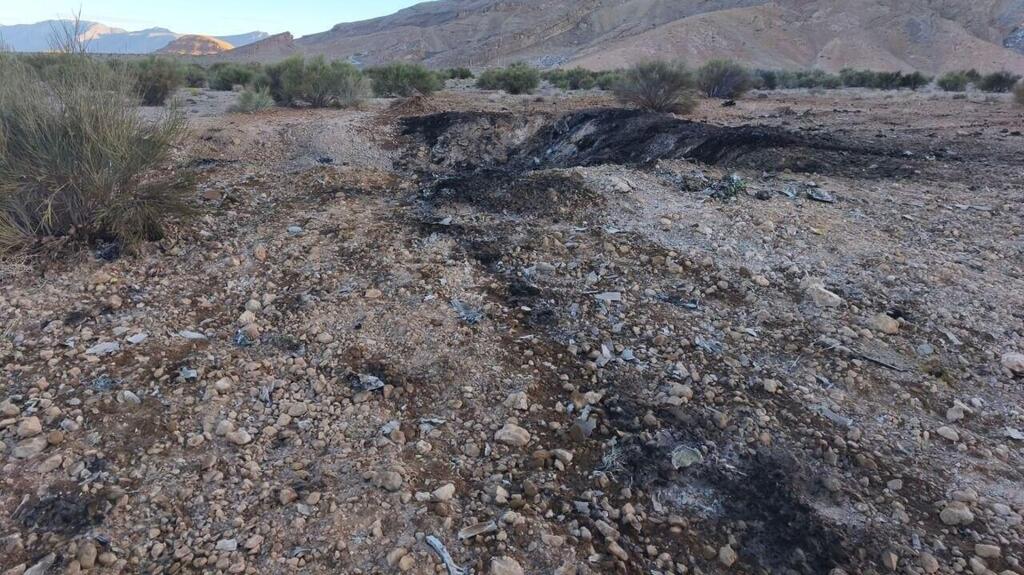
The alleged crash site
Iran targets energy infrastructure
The developments came as Iran launched attacks across the region, setting Kuwait’s Mina al-Ahmadi oil refinery on fire. Kuwait Petroleum Corp. said firefighters were working to contain several blazes.
Kuwait also reported “material damage” to a desalination plant, which supplies much of the Gulf’s drinking water, highlighting the growing focus on critical infrastructure.
Tehran has continued attacks on Israel and Gulf Arab states, despite U.S. and Israeli assessments that Iran’s military capabilities have been significantly degraded.
Strikes on energy infrastructure and disruptions in the Strait of Hormuz, through which roughly one-fifth of the world’s oil and natural gas passes, have unsettled global markets, driven up oil prices and raised concerns over the cost of basic goods.
Brent crude traded at about $109 on Friday, up more than 50% since the start of the war, when Iran began restricting traffic through the strait.
Sirens sounded in Bahrain, Saudi Arabia said it intercepted several Iranian drones, and Israel reported incoming missiles.
Authorities in the United Arab Emirates shut down a gas field after debris from a missile interception reportedly caused a fire.
Activists reported strikes around Tehran and the central city of Isfahan, though it remained unclear what was hit. A day earlier, Iran said a U.S. strike hit a bridge under construction, killing eight people.
More than 1,900 people have been killed in Iran since the war began on February 28 with U.S. and Israeli strikes. A review released Friday by the Armed Conflict Location and Event Data project found civilian casualties concentrated around strikes on security and state-linked sites rather than widespread bombardment of urban areas.
More than two dozen people have been killed in Gulf states and the West Bank. Thirteen U.S. service members have died, along with 19 people in Israel.
In Lebanon, more than 1,300 people have been killed and over 1 million displaced during Israel’s ground offensive against the Iran-backed Hezbollah terrorist group. Ten Israeli soldiers have also died there.
Former Iranian diplomat proposes path to end war
In a sign that some in Iran’s leadership may be open to negotiations, former Foreign Minister Mohammad Javad Zarif outlined a proposal to end the conflict in an article published Friday in Foreign Affairs.
Zarif, who helped negotiate Iran’s 2015 nuclear deal, warned that prolonged fighting would deepen losses without breaking the stalemate.
“Prolonged hostility will cause a greater loss of precious lives and irreplaceable resources without actually altering the existing stalemate,” he wrote.
The United States has presented a 15-point ceasefire proposal that includes reopening the Strait of Hormuz, dismantling Iran’s nuclear facilities and limiting missile production in exchange for sanctions relief. No progress has been reported.
Iran’s initial five-point counterproposal, aired on state television, called for recognition of its sovereignty over the strait, removal of U.S. bases from the region, compensation for war damage and guarantees against further aggression.
Zarif’s proposal combined elements of both plans, suggesting limits on Iran’s nuclear program and reopening the Strait of Hormuz in exchange for lifting sanctions.
It remains unclear how much influence Zarif holds. While he has no official role, he remains close to reformist President Masoud Pezeshkian and likely would not have published the article without some level of approval.
Shortly after publication, Zarif said he felt “torn” about the piece, hinting at possible internal pressure.
It is also unclear how U.S. President Donald Trump will respond. He has alternated between signaling openness to negotiations and warning of further escalation. Thousands of U.S. Marines and paratroopers have been deployed to the region, raising the possibility of a ground offensive.