


In the wake of Israel’s unprecedented strike on Iran’s nuclear and missile infrastructure, dozens of regime loyalists gathered in Tehran on Friday to demand retaliation. The attack, which targeted Islamic Revolutionary Guard Corps (IRGC) facilities and killed senior military officials and scientists tied to Iran’s nuclear program, sparked outrage among regime supporters.
“We can't let this scoundrel continue—or we'll end up like Gaza,” said Abbas Ahmadi, a 52-year-old resident of the capital, referring to Prime Minister Benjamin Netanyahu. “Iran must destroy him. It has to act.”
Gallery
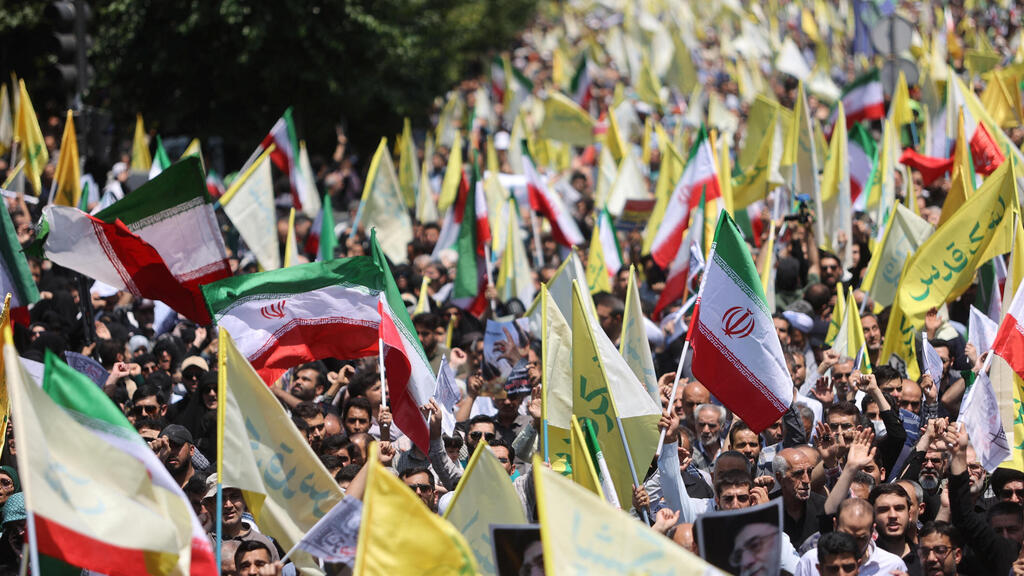
Anti-Israel protest in Tehran
(Photo: Reuters/Majid Asgaripour/WANA (West Asia News Agency) via REUTERS)
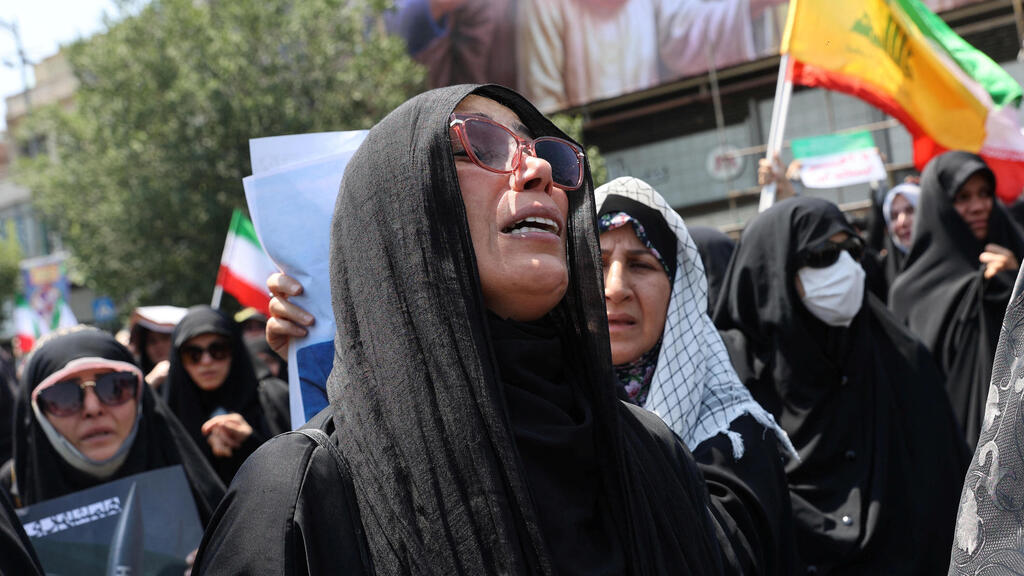
(Photo: Reuters/Majid Asgaripour/WANA (West Asia News Agency) via REUTERS)
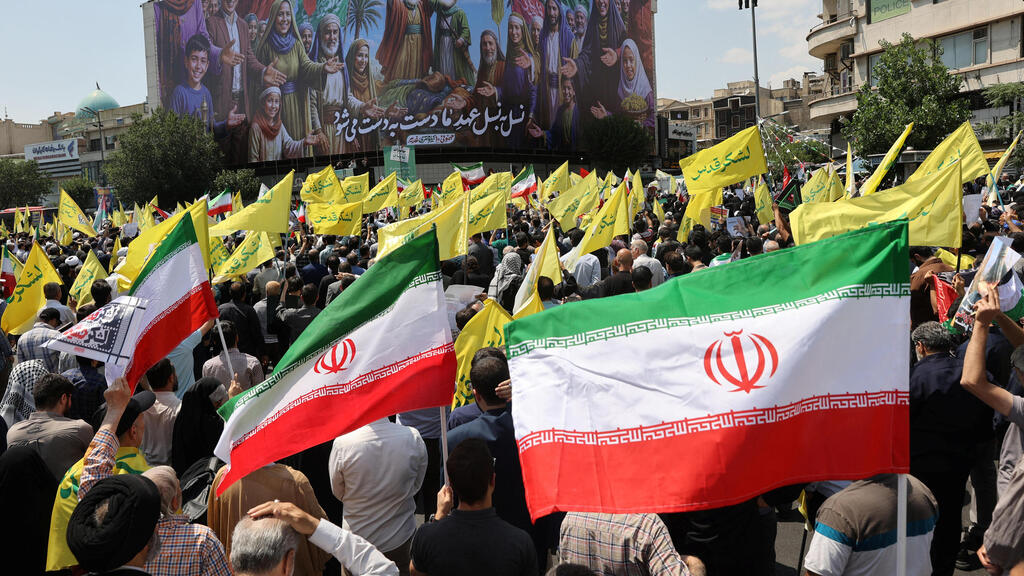
(Photo: Reuters/Majid Asgaripour/WANA (West Asia News Agency) via REUTERS)
The preemptive Israeli operation came during a three-day Shiite holiday weekend and Tehran’s streets were mostly empty, with most shops closed. Still, in central parts of the city near government buildings, demonstrators rallied chanting “Death to Israel, death to America!” while waving Iranian flags and holding up portraits of Supreme Leader Ali Khamenei. Iran's state broadcaster reported similar protests in other cities.
French news agency AFP reported long lines at gas stations across the country, a familiar scene during periods of high tension. Iran’s government imposed temporary internet restrictions and President Masoud Pezeshkian’s office sent mass phone alerts stating the Islamic Republic “will spare no effort” in defending itself.
In Tehran’s northern Nowbonyad neighborhood residents gathered at buildings struck by Israel where senior military and regime officials reportedly lived. “How long will we live in fear?” asked Ahmad Moaddi, a 62-year-old retiree.
“There must be a crushing response. They killed so many professors and researchers—and now they want to negotiate with us?” he said, alluding to past Israeli assassinations of Iranian nuclear scientists.
Another resident, Ahmad Razaghi, said, “They want to strip us of our nuclear capabilities. That’s unacceptable.” Farnoush Rezaei, a 45-year-old nurse wearing a hijab, described Israel as “a country breathing its last gasps” and added, “With God's help, maybe some peace will come out of this.”
Get the Ynetnews app on your smartphone: Google Play: https://bit.ly/4eJ37pE | Apple App Store: https://bit.ly/3ZL7iNv
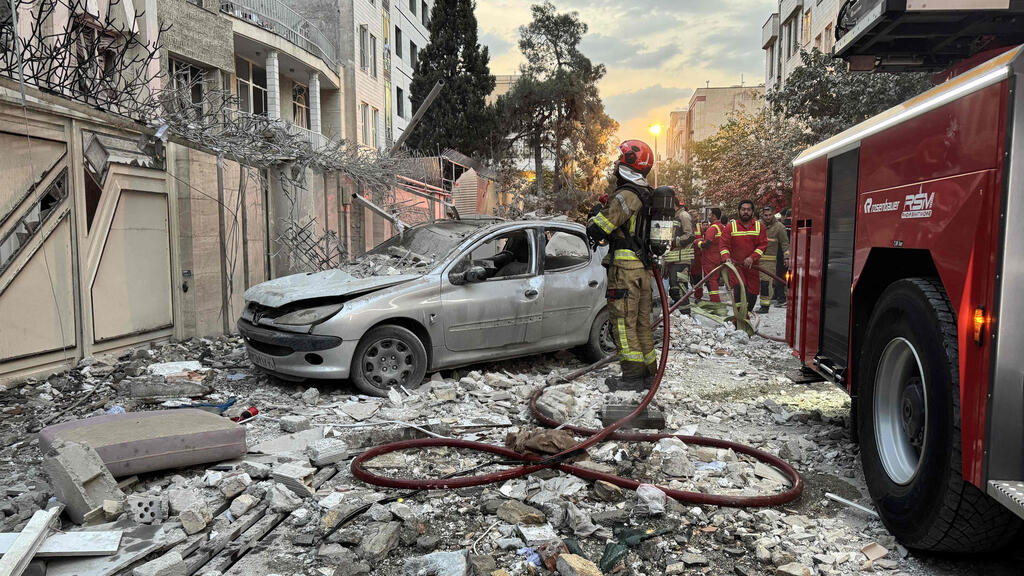
Scene of Israeli strike in Iran
(Photo: MEGHDAD MADADI / TASNIM NEWS / AFP)
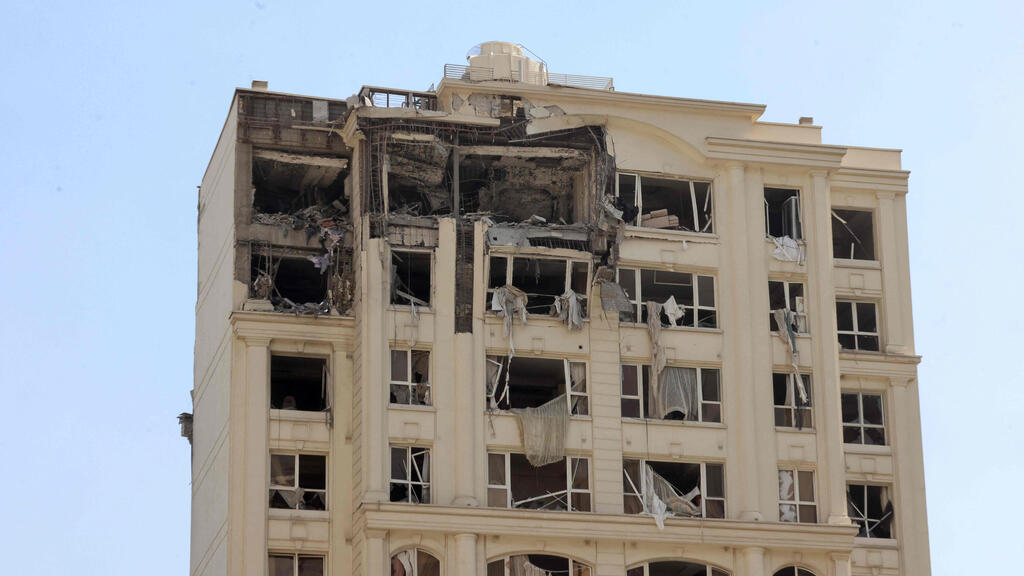
(Photo: MEGHDAD MADADI / TASNIM NEWS / AFP)
Even some critics of the regime expressed support for an Iranian response. “We can’t afford not to react,” said one local resident. “Either we surrender and hand over our missiles—or we use them. There’s no middle ground. If we don’t strike back, we’ve surrendered anyway.”
While many Iranians oppose the regime, their voices are mostly heard online—and often anonymously. Among them are likely those who quietly support Israel’s actions. Tehran’s prosecutor’s office issued a warning on Friday, saying anyone posting pro-Israel content on social media could face years in prison.
The prosecutor also warned that spreading panic through disinformation would be punished under Iranian law. Iran’s semi-official Tasnim News Agency claimed that opposition outlets linked to Israel were spreading false rumors about additional IRGC commanders being killed, in an attempt to damage morale and gather intelligence.
Iran’s police urged citizens not to film or post images of missile or weapons movements on highways, claiming such actions could “harm the effectiveness of retaliation operations and aid the enemy.”