

National Security Minister Itamar Ben-Gvir said Thursday he plans to enforce within five days a new police policy on demonstrations that would impose sweeping restrictions on protests, despite objections from the attorney general.
The policy document, first reported by Ynet's sister publication Yedioth Ahronoth in June and now published in full by Ben-Gvir, includes a blanket ban on blocking major roads, curbs on protests near the private homes of elected officials and expanded police powers to control demonstrations. It also prohibits protests inside synagogues, though no equivalent ban is mentioned for other houses of worship.
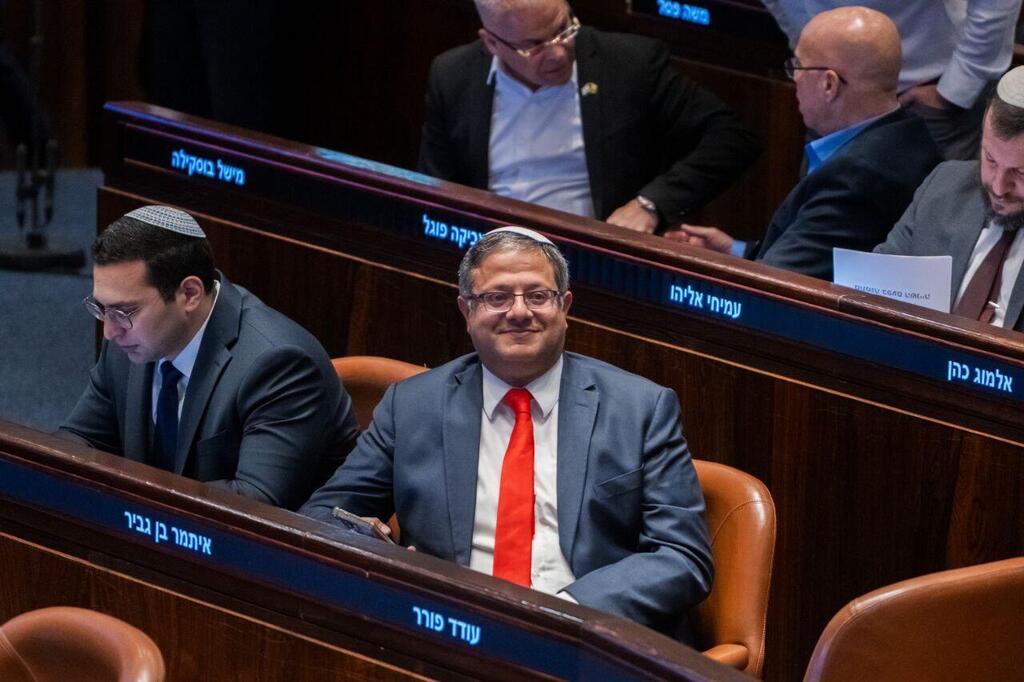
Ben-Gvir said he was moving forward after what he described as months of inaction from Attorney General Gali Baharav-Miara. “If no response is received within five days, the policy will take effect,” he said, adding that freedom of expression and protest “are important, but not at the expense of public safety and human life.”
The attorney general’s office has previously rejected Ben-Gvir’s plan, insisting that police policy must remain neutral and not be written or changed in response to specific protest movements. The policy push comes as families of hostages announced plans for escalated demonstrations in Jerusalem next week.
Under the draft rules, no protests would be allowed to block access routes to hospitals, emergency services, Ben Gurion Airport or “main highways,” though the document does not specify which roads fall into those categories. Local streets could be blocked only with prior police approval, and only if authorities arrange alternative routes and ensure no risk to public safety. Critics warn the vague definitions could give police broad discretion to shut down protests.
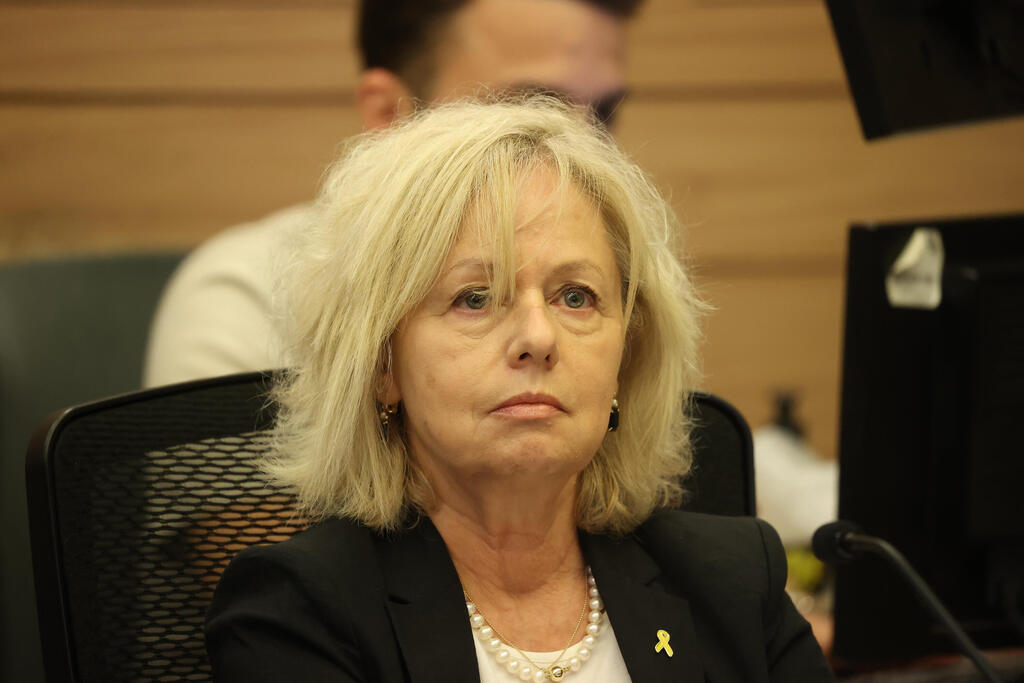
Attorney General Gali Baharav-Miara
(Photo: Amit Shabi)
The stance marks a sharp contrast with Ben-Gvir’s past positions. As an opposition lawmaker in 2021, he defended road blockages as part of democratic protest, saying, “In a democracy, roads are blocked. It’s not pleasant, but it’s not the end of the world.”
If enforced, the new policy would represent a significant tightening of restrictions on protest in Israel at a moment of growing public unrest.