

More than a day after the cease-fire between Israel and Hamas took effect, a precise timetable for the release of Israeli hostages has yet to be finalized. Israeli officials believe the process will begin Monday, possibly early in the morning, but are also preparing for the possibility that Hamas could start as soon as Sunday — ahead of U.S. President Donald Trump’s planned visit to Israel or immediately afterward.
Meanwhile, a senior Hamas official said Saturday that the group’s disarmament, one of the core conditions of Trump’s postwar agreement, is “out of the question.” Speaking anonymously to AFP, he said: “The demand that we hand over our weapons is not up for negotiation.”
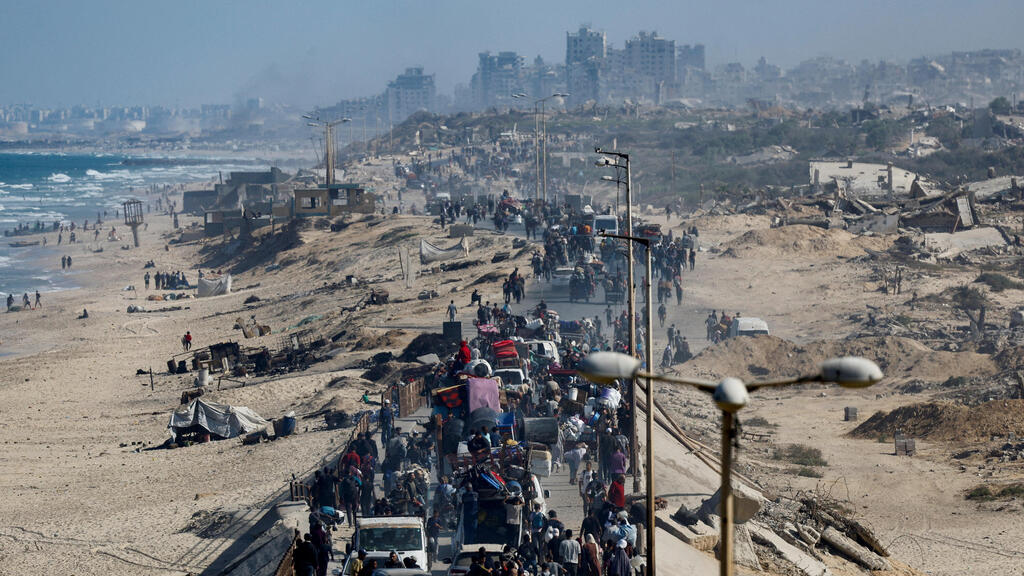
Israeli intelligence assessments indicate that Hamas needs time to organize the transfer of hostages, moving both the living and the dead from their current locations to a central point before release. Under the agreement, living hostages are to be returned first, possibly all at once to the International Red Cross, followed by the bodies of those killed.
Officials, however, are also preparing for other scenarios, including possible delays or partial compliance by Hamas. Israel’s defense establishment believes the terror group may not release all bodies by Monday but is unlikely to deliberately sabotage the deal.
Tension over prisoner list
Inside Gaza, Hamas officials have voiced public anger over the list of 250 Palestinian prisoners to be released as part of the deal. The group had demanded that all of them be serving life sentences, but Israel approved only 195 such cases.
Israeli sources stressed that the list, approved by the cabinet and coordinated with mediators, “will not change.” A senior Palestinian official told the BBC that U.S. envoy Steve Witkoff had been asked to raise Hamas’s demand to include seven high-profile prisoners — among them Marwan Barghouti and Ahmed Saadat — but Israel firmly refused.
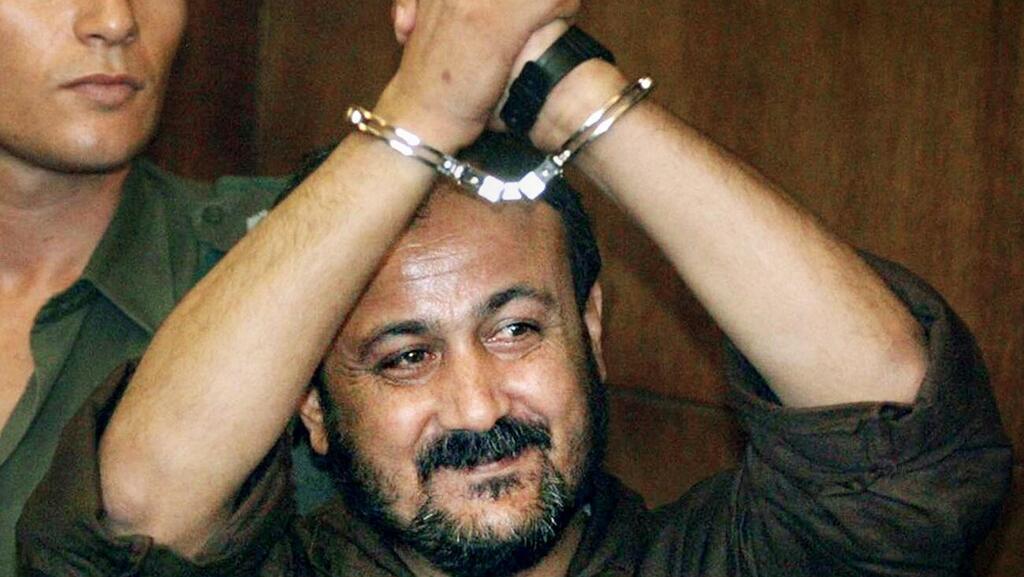
Palestinian terrorist Marwan Barghouti
(Photo: Brennan Linsley, AP)
It remains unclear whether the dispute will delay implementation, though Palestinian sources say Hamas has “no choice” but to accept the terms already agreed upon. “There are some extreme voices calling to blow up the deal,” one official said, “but that scenario is unlikely.”
On Saturday afternoon, families of Palestinian inmates reported receiving phone calls from prisons, informing them that their relatives were among those slated for release. In cases where prisoners refuse deportation — as has happened in past exchanges — others on a pre-approved list will be freed instead.
Israel prepares for hostage return
Israeli security agencies have begun contacting the families of all hostages, updating them on what to expect in the coming days. Since many of the 20 living captives are believed to be in fragile medical condition after two years in captivity, doctors and military medical teams are preparing for immediate evacuation to hospitals upon their return.
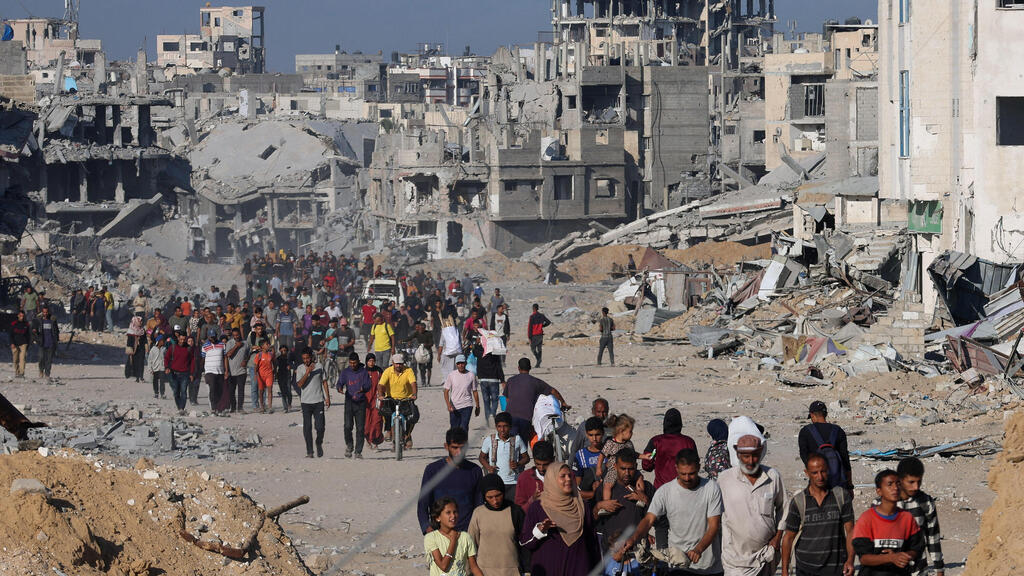
(Photo: Reuters/Ramadan Abed)
If not all bodies are recovered, the international task force established to locate the remains — which includes the United States, Egypt, Turkey, Qatar, and Israel — will begin operations immediately after the live releases are completed.
In Gaza, the Hamas-run Civil Defense reported that more than 500,000 displaced Palestinians have returned to northern Gaza since the cease-fire took effect Friday. “More than half a million people have returned between yesterday and today,” said spokesman Mahmoud Basal.
Humanitarian organizations are urging Israel to open additional crossings to facilitate the delivery of aid into the Strip. Around 200 U.S. soldiers have already arrived in Israel to assist in setting up a coordination center, which will oversee Gaza-related operations until a permanent administration is established there.
After visiting Israel on Monday, President Trump is scheduled to travel to Egypt for a symbolic signing ceremony marking the implementation of the cease-fire. The event will be hosted by Cairo and attended by several European leaders. No senior Israeli official has been invited.