


UNESCO’s World Heritage Committee voted Friday to add the archaeological site of Sebastia in the northern West Bank and five fortresses in the Jabal Amel region of southern Lebanon to both the World Heritage List and the List of World Heritage in Danger.
The decisions were adopted during the committee’s session in Busan, South Korea, under an emergency procedure, on the grounds that the sites were being affected by the continuing conflicts in the Middle East.
The vandalism at Sebastia in 2022
(Video: Photo: Preserving the Eternal, Samaria Regional Council)


Israel strongly opposed the move before the vote. The Foreign Ministry in Jerusalem urged committee members to reject the applications, describing them as the “political weaponization of cultural heritage” and an attempt to exploit UNESCO for diplomatic purposes.
Sebastia, located about 10 kilometers northwest of Nablus, is widely identified by scholars with ancient Samaria, the capital of the biblical Kingdom of Israel.
The site contains remains from several periods, including the Iron Age, Roman, Byzantine and Islamic eras. According to Christian and Muslim tradition, it is also believed to contain the tomb of John the Baptist. The Palestinian application to register Sebastia was first submitted in 2012.
Palestinian officials argued that international recognition was necessary to preserve the site, which they said had suffered from neglect and insufficient conservation resources under Israeli control.
In its decision, the UNESCO committee said the site had “outstanding universal value” and faced serious threats, including measures connected to the “Israeli occupation,” land expropriation plans, projects that could alter its historic and archaeological character, and restrictions affecting its protection, management and preservation.
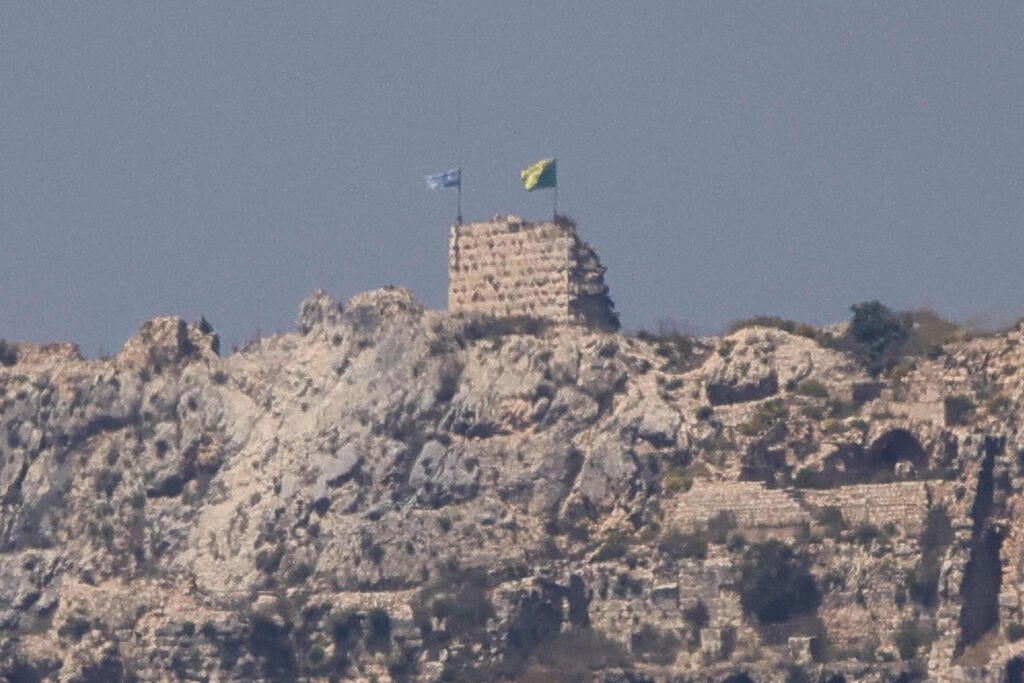
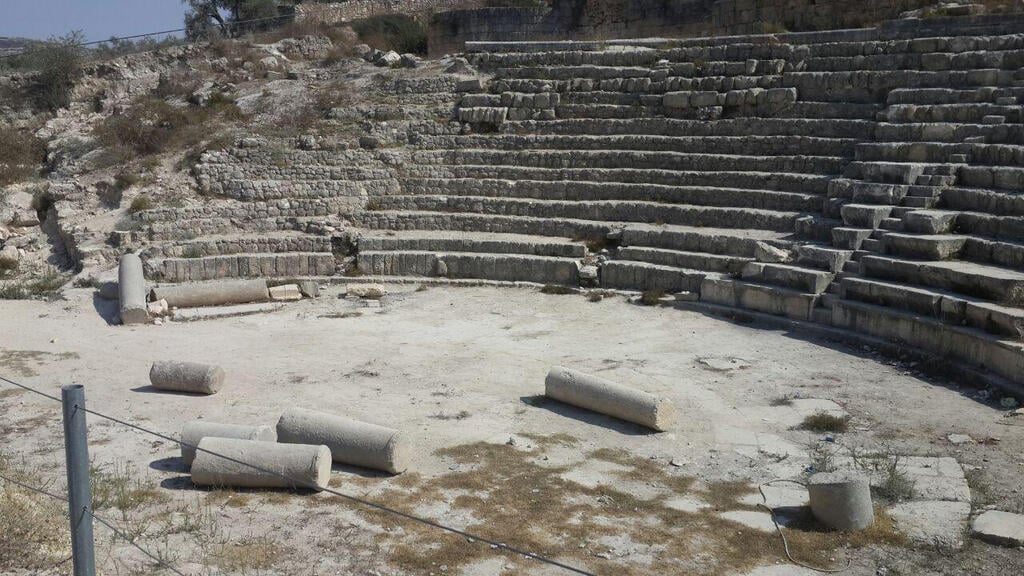
The archaeological site of Sebastia
(Photo: Assaf Kamar)
The Palestinian Tourism and Antiquities Ministry welcomed the decision, calling it “a national achievement in the struggle to protect Palestinian cultural heritage.”
Adel Naim Daoud Atiyeh, a member of the Palestinian delegation to UNESCO, said the recognition was “a reward for the steadfastness of Sebastia’s residents, who have protected the site for generations despite the occupation, restrictions and attempts to separate them from their heritage.”
Israel’s Foreign Ministry, by contrast, accused the Palestinian delegation of conducting a “hostile and one-sided campaign” at UNESCO. The ministry said the Palestinians had falsely portrayed the site as facing an emergency and argued that the move was intended “to erase Sebastia’s deep and well-documented Jewish and Christian history.”
A representative of Israel’s delegation, which participates in the proceedings as an observer, said: “It is shameful that politicization has destroyed UNESCO and turned history into a mockery.”
The committee also approved the registration of five fortresses in the Jabal Amel region of southern Lebanon, including Beaufort Castle, as endangered World Heritage sites.
UNESCO said the fortresses reflected roughly 900 years of architectural development and combined Crusader, Ayyubid, Mamluk and local influences. Israel also opposed that decision.
Despite Palestinian claims that the Sebastia listing was intended to protect Palestinian cultural heritage, the site has repeatedly been vandalized in the past by Palestinians.
In 2022, Palestinians set fire to large parts of the heritage site, damaging antiquities and archaeological remains. Portions of the site were also defaced with Arabic graffiti, apparently including the names of young visitors.