


Even after the elections in Israel and the United States, the possibility of a strike on Iran remains an open question. At this stage, there have been no dramatic developments in the buildup of U.S. forces in the region, apart from the reinforcement of American forces in southern Israel and several movements in the Arabian Sea that are not particularly unusual. No significant signs of increased preparations have been detected so far. However, defense officials emphasize that the situation could change rapidly, depending on decisions made in Washington and the objectives of any potential operation.
The IDF, meanwhile, continues its routine operational activities without any unusual developments, awaiting diplomatic developments to determine which direction events may take. Before Israel's elections, significant tensions emerged between IDF Chief of Staff Lt. Gen. Eyal Zamir and Prime Minister Benjamin Netanyahu and Defense Minister Israel Katz over the latter two's desire to advance a particular operation in Iran. Zamir, who expressed concern that Israel's elections could be canceled if a major operation against Iran were launched, blocked the move together with the Americans. Another confrontation arose over the military operation in Hebron, launched following a deadly terrorist attack that killed two IDF soldiers approximately two weeks ago.
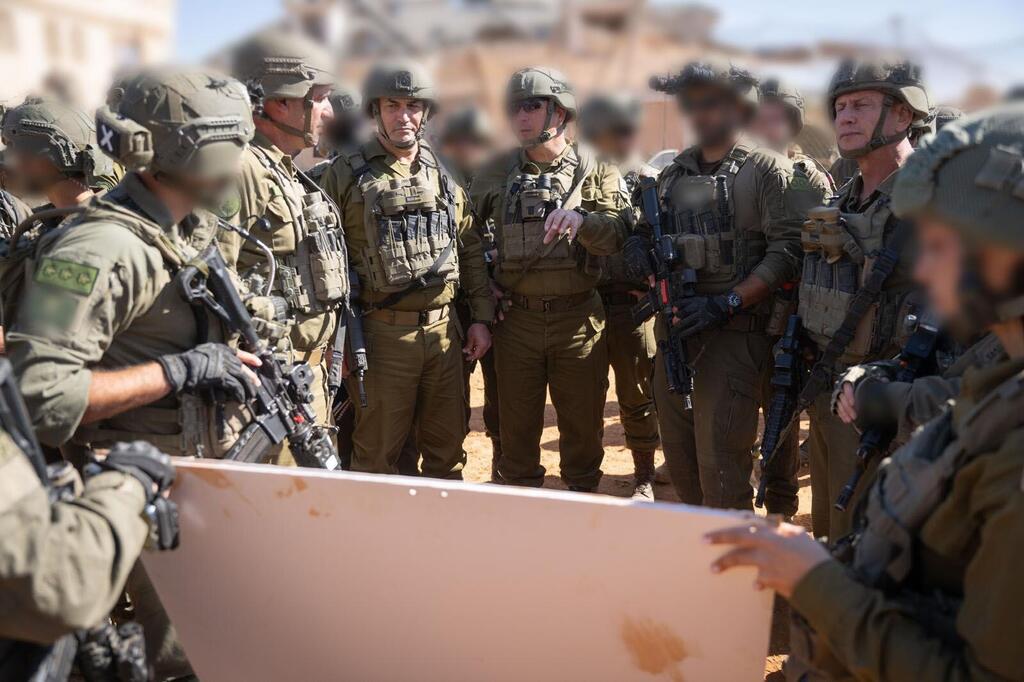
IDF Chief of Staff Lt. Gen. Eyal Zamir during a situation assessment at the Northern Command
(Photo: IDF)
During the election period, the IDF's senior leadership exercised particular caution in its dealings with the political leadership and the public, almost entirely suspending briefings and background discussions in an effort to keep the military out of the political arena. Even now, after the elections have ended, concerns remain about major operations, particularly against Iran, that could result in damage to Israel's home front and affect the political developments currently unfolding.
Regarding Iran, Israeli defense officials are seeking to understand not only whether fighting will resume, but also what its objectives would be. Israel and the United States previously launched Operation Roaring Lion with a shared interest in weakening the Iranian regime. Now, however, their objectives do not necessarily appear to align. Netanyahu speaks of toppling the regime, while voices in the United States advocate an intense, swift military operation that would weaken Iran and bring it to the negotiating table from a position of disadvantage, with the aim of securing a better nuclear agreement. Such an agreement could be presented as an achievement for President Donald Trump following his party's poor performance in the midterm elections.
At the same time, the IDF is refining its procedures and maintaining readiness for the possibility of a major operation against Iran. Military planning also takes into account the possibility that such an operation could involve another round of fighting in Lebanon. Forces along the Lebanese border continue operations to clear the area, although a significant portion of their efforts is now focused on preparing positions and adapting operational procedures for winter. The IDF is also preparing strike plans against Hezbollah in southern Lebanon should they become necessary.
In the West Bank, the IDF is working to keep tensions below the threshold of escalation. At this stage, as of the time of writing, the military has managed to some extent to interrupt the sequence of terrorist attacks carried out by individuals and local cells.
Recent weeks have seen an increase in the pace of settlement establishment, particularly in Samaria and the Binyamin region of the West Bank. The assessment is that this trend could accelerate if government officials believe the bloc seeking to replace Netanyahu is approaching the formation of a new government, or if a caretaker government remains in place ahead of another election.
A senior security official said: "The trends in nationalist crime remain extremely negative. The phenomenon is growing, and we are not seeing anything positive in the handling of these incidents. With the political developments, it will intensify even further, and the scale of nationalist crime will continue to increase. The pace of people moving into settlements and the establishment of outposts has risen significantly, and this is placing an extreme strain on the IDF."