

Iran’s theocratic rulers may have survived a U.S. military campaign, but their real problems may only now be beginning: managing the competing demands of hardliners emboldened by the war and an impoverished, angry public desperate for relief.
Iran’s powerful hardliners have been energized by a three-month confrontation they believe Tehran won. They want the leadership to take a tougher stance in upcoming talks with the U.S. and prioritize rearmament, confident that any internal dissent can be crushed by force.
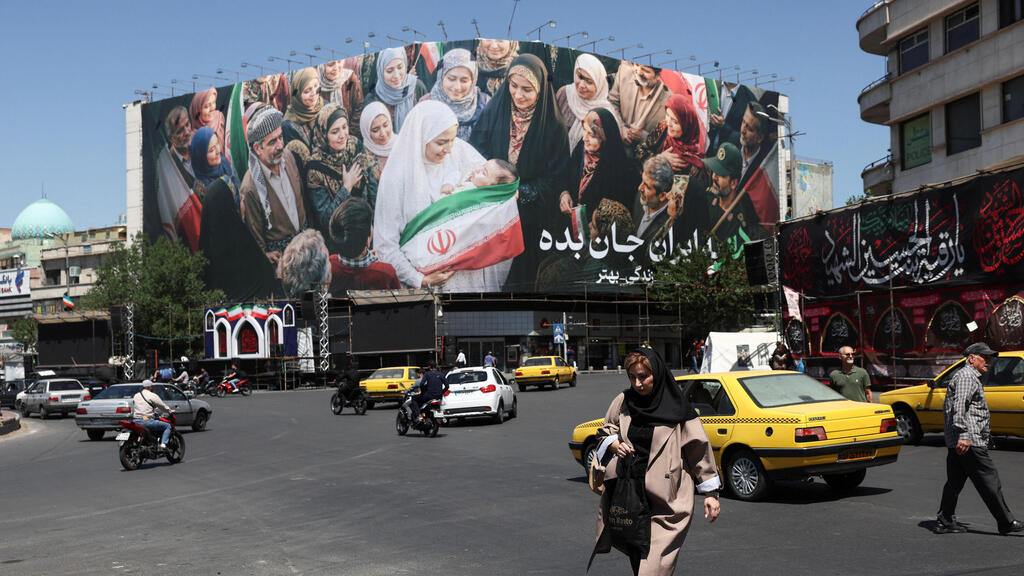
Ordinary Iranians, however, are desperate for any peace dividend or financial relief to be used to raise living standards and offer better prospects after a destructive war that followed years of painful sanctions.
Both camps have high expectations, conflicting demands and little patience. Looming in the background is the threat of renewed mass protests like the unrest authorities crushed in January, killing thousands of demonstrators.
“The moment the war ends, and as this interim deal is shaky, the actual problems for Iran’s clerical establishment will start,” said Hamidreza Azizi, a visiting fellow at the German Institute for International and Security Affairs in Berlin.
Four Iranian officials and one former official described to Reuters the pressures now facing the Islamic Republic as its population turns from war to examine the wreckage of the economy.
Three of the officials said the public expects any financial relief won through suspended sanctions or restored assets to be used to boost the economy and improve daily life.
One senior official, describing Iranians as “weary of war and economic hardship,” said funds would likely be directed toward reconstruction, liquidity injections for banks and broader economic support.
All four officials either openly acknowledged or alluded to the risk of renewed protests if the authorities fail to improve living standards. One described the deal to end the war as “a double-edged sword” because of heightened public expectations.
The former official, a reformist, said the risks were well understood at the highest levels of Iran’s leadership, and that this was one reason Tehran accepted the deal to reopen the Strait of Hormuz.
The memorandum to end the war, which Iran and the U.S. are expected to sign Friday, is expected to include some financial relief for Iran, with more to follow if the sides can conclude a wider deal later this summer.
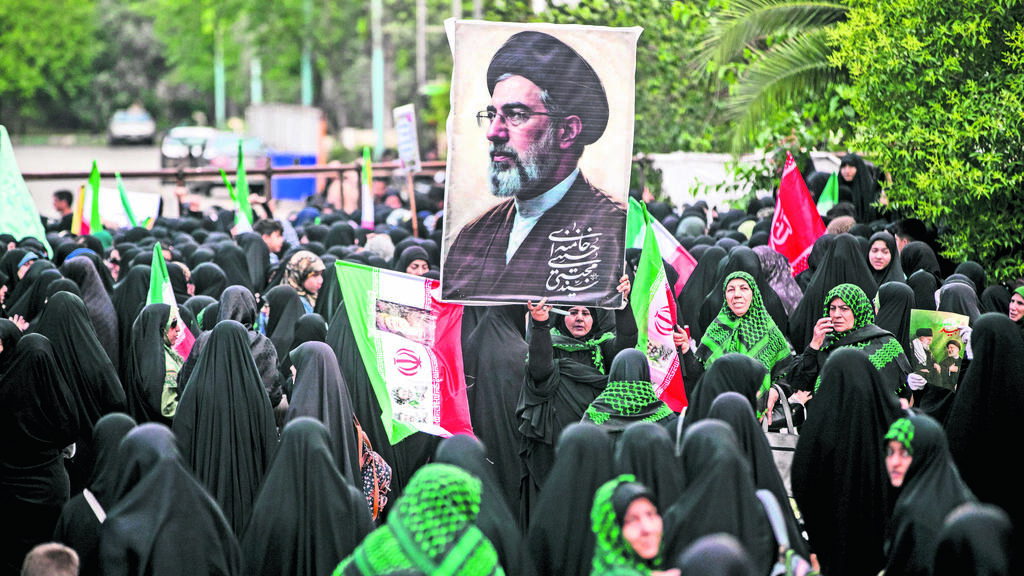
Regime supporters in Tehran
(Photo: Majid Saeedi/Getty Images)
Iran’s economy is struggling with very high inflation, a tumbling currency, widespread unemployment and, since the war began, massive damage to industry and infrastructure that will be expensive to repair.
“From a domestic perspective, Iran now has a limited window to bring internal conditions under control. The United States has always focused on internal developments in Iran and continues to do so,” said Saeed Laylaz, an Iranian economist and political analyst.
Longer-term sanctions relief, which would allow Iranian businesses renewed access to global markets and finance, would require a wider deal with the U.S. over Tehran’s nuclear program, still seen as a distant prospect.
Hardliners seek reward for wartime stance
Throughout the war, Iranian authorities staved off dissent through stern warnings, draconian punishments and a near-constant campaign of pro-government demonstrations and events.
After years of urging the establishment to take a harder line against the West and demonstrate Iranian power through measures such as closing the Strait of Hormuz, hardliners feel vindicated and expect to be rewarded.
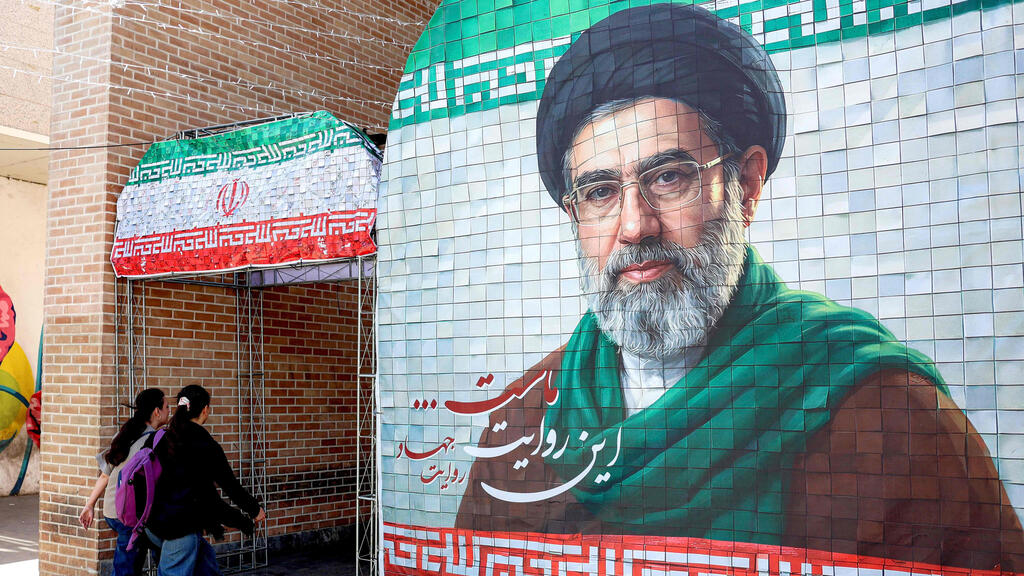
(Photo: AFP)
The hardline camp includes a range of factions, among them the Revolutionary Guards. But while the Guards are now prepared to accept a deal to help the Islamic Republic survive, the so-called Paydari Front is not.
The front includes prominent lawmakers, veteran politicians and influential media figures, and can command support among the crowds that have flooded the streets since the start of the war.
While the faction is not powerful enough to overturn state policy, it can create serious difficulties for the ruling establishment.
Many of its supporters are dismayed that Iran is accepting negotiations with the U.S. rather than holding out for better terms, especially after the killing of Supreme Leader Ayatollah Ali Khamenei on the first day of the conflict.
“They’re making a deal with the enemy that martyred our leader, even though we had won the war. So what happened to avenging Imam Khamenei’s blood? What kind of Islamic government is this? And now on Friday they want to shake hands with the Imam’s killers,” said Hossein, a member of the Basij volunteer militia run by the Revolutionary Guards. He asked not to give his family name.
One of the Iranian officials who spoke to Reuters acknowledged the need to address public hardship, but said the war had shown that Iran’s military capabilities were the top priority. Rebuilding Iranian military strength would “continue at full pace,” the official said.
If the interim deal leads to a rapid injection of funds into the economy, the government may be able to postpone a reckoning with the public for now, Azizi said.
“The most immediate challenge for the leadership is how to convince their own hardline support base that this is actually a good deal. And that is because over the course of the war and during the ceasefire, they relied heavily on this hardcore minority,” he said.
Adding to the leadership’s difficulties, the last major protests in 2022 and 2023 led to a de facto retreat on enforcing public dress codes for women. Since the mass demonstrations over the death in custody of Mahsa Amini, women have been able to appear in public without the long-mandatory headscarf, a constant source of irritation for hardliners.
During the conflict, the Revolutionary Guards became even more powerful, helping elevate their preferred candidate, Mojtaba Khamenei, to replace his late father as supreme leader. Khamenei has still not been seen in public, and analysts say the Guards remain ascendant.
They may be as willing to crack down on ideological hardliners who reject a deal they helped broker as on protesters challenging the Islamic system, said Alex Vatanka, a senior fellow at the Middle East Institute in Washington.
“I think they will go after anyone who challenges the consensus because domestic control now, post Ali Khamenei, is extremely important. They are going to have social freedoms, like women going around without hijab, but there will be no tolerance for political freedoms,” he said.